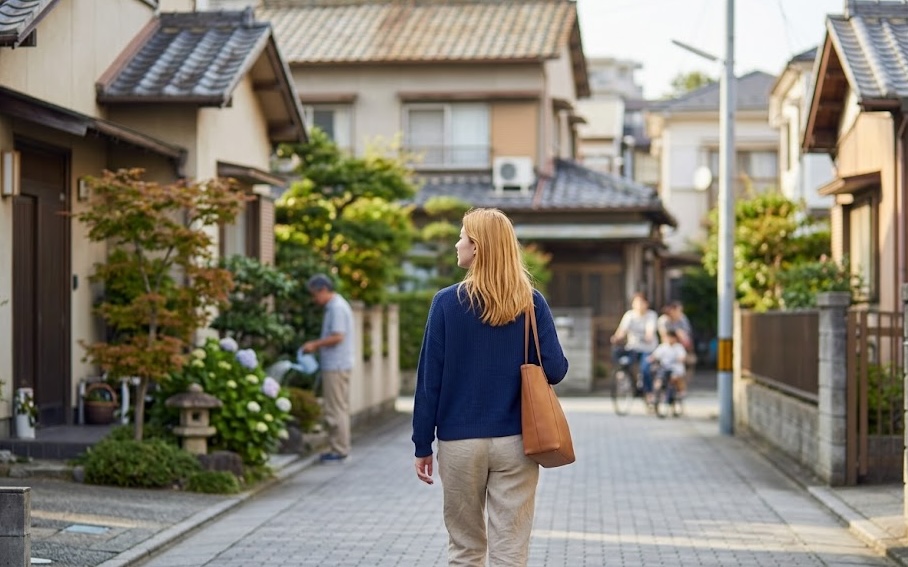
Across Japan, there are now more than nine million vacant homes. While this is often discussed as a significant social challenge, for the strategic investor, it represents a unique opportunity. These properties exist due to demographic changes, aging populations, inheritance patterns, and migration toward major cities. As a result, many perfectly usable houses remain empty for years, creating a niche market for Japanese property investment.
For those looking to buy property in Japan as a foreigner, akiya investing offers an unusual entry point. Compared with major global cities like London or New York, property prices in many parts of Japan remain relatively accessible. This allows international investors to start with a modest amount of capital while learning how the local real estate market works.
A Strategy for Long-Term Akiya Investment ROI
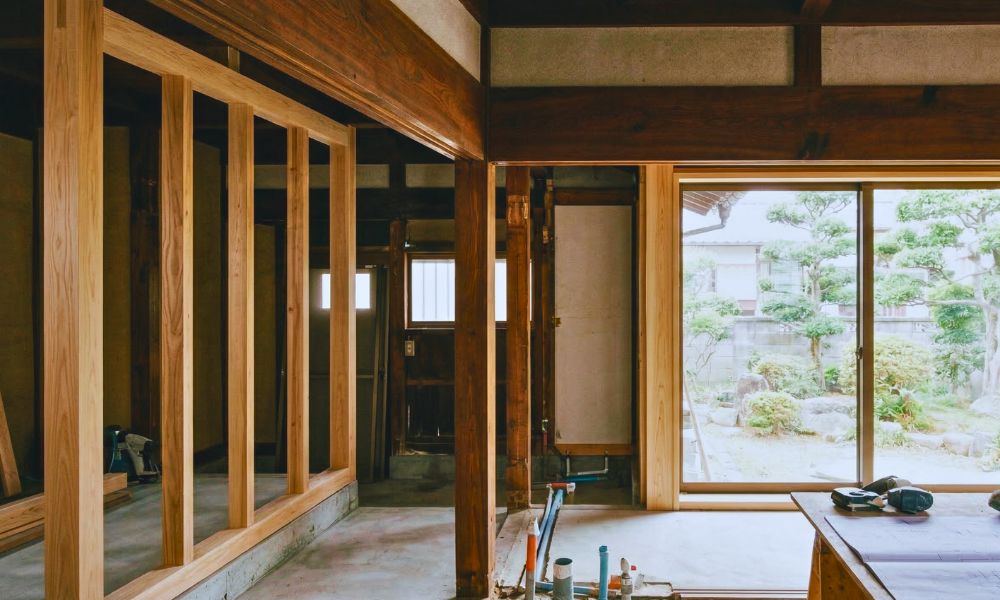
It is important to understand that investing in vacant homes in Japan should not be framed as a short-term, high-profit strategy. Success in this market depends on careful renovation planning, researching realistic rental demand, and building strong local relationships. In many cases, the real value of an akiya investment emerges gradually rather than immediately.
For this reason, we often see our clients begin with a single property. This “pilot” project allows them to learn how Japanese renovations work, how local tenants behave, and how property management operates on the ground. You can see examples of how these projects come to life by browsing our case studies. Once the first property performs as expected, investors can then expand their Japan real estate portfolio with more confidence.
Beyond Financial Returns: Why Foreigners Buy Akiya
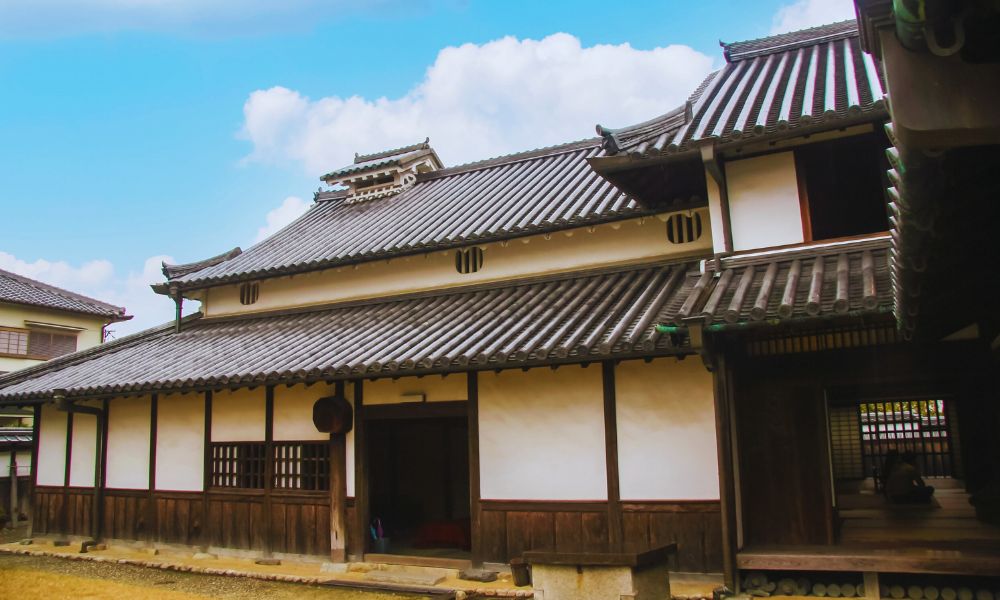
Seen from this perspective, akiya investing is not simply speculation. For many, it is a meaningful way to enter the Japanese market while contributing to the country’s landscape. This investment model typically involves three key elements:
Restoring unused homes: Bringing life back to traditional or suburban structures.
Revitalizing local communities: Supporting neighborhoods that have seen decline.
Building long-term property assets: Securing tangible real estate in a stable economy.
In fact, many overseas investors are motivated by more than just financial yield. Many choose Japan because of a personal interest in the culture, the perception of Japan as a safe place to hold assets, and the possibility of living in Japan in the future.
Focusing only on immediate yield can create a mismatch between expectations and reality. Akiya investing works best when it is understood not just as a transaction, but as a long-term relationship with Japanese property.