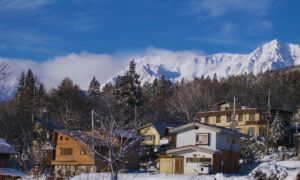
A Hakuba property attracts overseas buyers looking for a ski home or a rental investment in Japan. The valley has several major ski resorts and a well-established international visitor market. You’ll find chalets, holiday homes, lodges and older Japanese houses, with prices and property types varying quite a bit between neighbourhoods.
Myoko, in neighbouring Niigata Prefecture, is another option for buyers looking at Japan ski property. The Myoko Kogen area includes resorts such as Akakura, Ikenotaira, Suginohara and Seki Onsen. There are established accommodation businesses here, along with detached houses and older properties that may suit renovation projects.
The two areas appeal to similar buyers, but the property markets aren’t identical.
Myoko and Hakuba Property Markets: A Quick Look
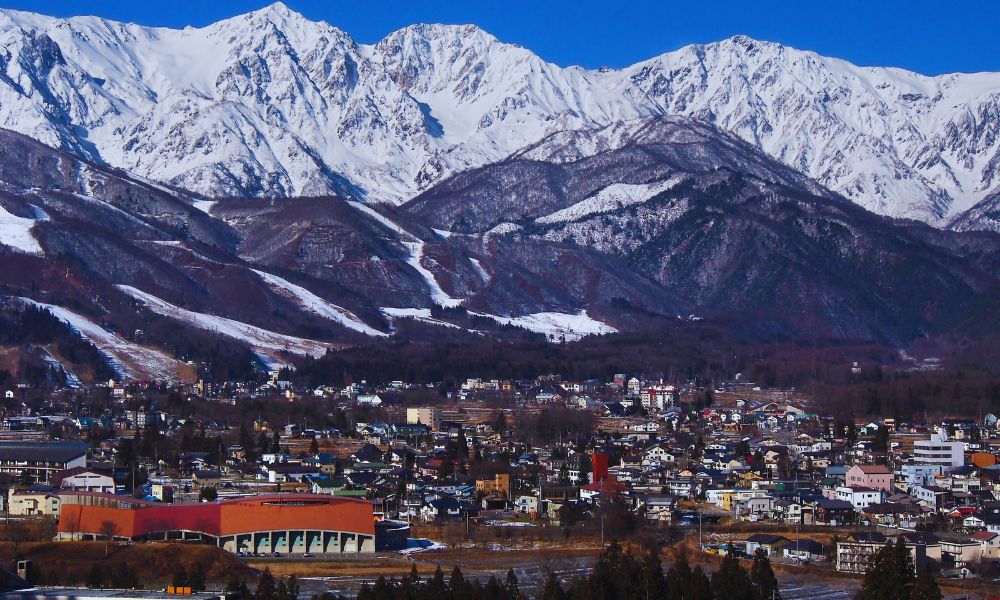
Hakuba’s international reputation gives owners access to an established visitor market. Wadano, for example, has convenient access to Happo-One and a number of holiday properties while Echoland is known for its restaurants and bars. But that international reputation also means competition, with hotels, lodges and holiday rentals already operating across the valley.
While Myoko’s Akakura has restaurants and ski access close together, other areas have a quieter feel, and some properties sit further from the main resort facilities. That can mean more choice for buyers, but you’ll need to check how guests would get around in winter.
For a personal holiday home, think about how often you’ll visit and how much driving you’re prepared to do. For an investment, look closely at the property’s distance from ski lifts and transport.
Looking for a ski property or akiya in Japan? Sign up for our newsletter to get exclusive off-market listings in Hakuba and across the country sent straight to your inbox.
Hakuba Property Rules: Development Restrictions and Local Ordinances
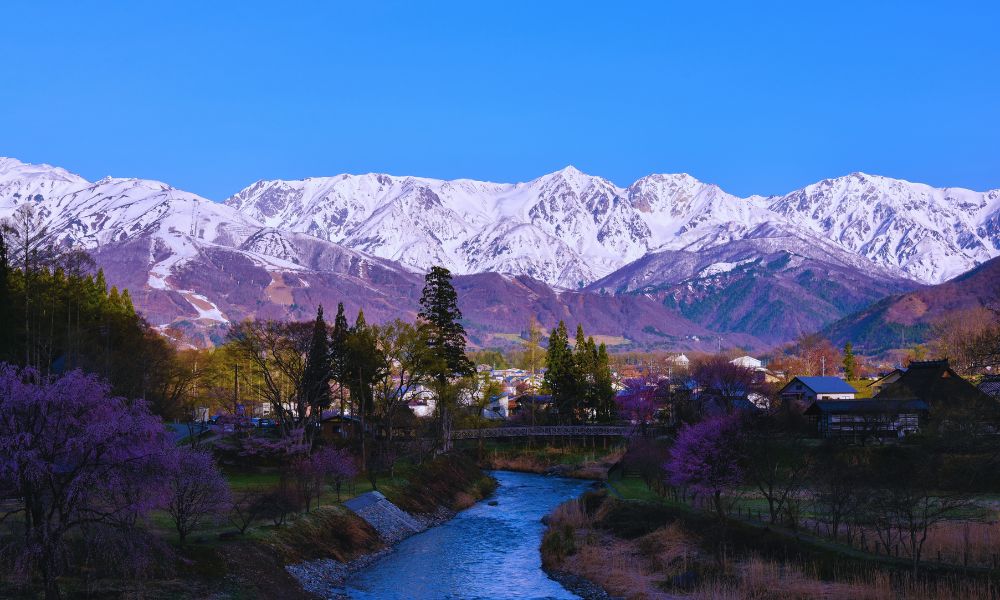
Hakuba’s entire urban planning area is classified as an unzoned area, or white area, under Japan’s planning system. In most Japanese cities, land is color-coded on planning maps into zones that decide what can be built there, such as areas reserved only for houses or only for shops. Hakuba is left blank on those maps, which gives buyers more flexibility in how a property is used, but national laws still limit how much of a lot your house can cover (typically 60 percent) and how much total floor space you can stack across all stories (typically 200 percent) under the Building Standards Act.
Hakuba also enforces its own local development rules and landscape plan. Depending on the designated area, Hakuba caps building heights at 13 meters or 18 meters, enforces setback distances from roads and neighboring lots, and restricts exterior colors to natural tones. Even for a standard home renovation, adding an extension larger than 10 square meters or repainting more than 20 square meters of your roof or exterior walls requires filing a landscape notification with the village before work begins.
Many older Hakuba homes and cabins also sit inside previously approved vacation-home subdivisions. If a property was originally approved under a development permit strictly as a private residence, it may not qualify for use as a guesthouse or commercial rental lodge unless you apply for a change of use.
If you are buying a larger chalet or planning to turn a big property into a commercial lodge, keep in mind that stricter rules take effect on December 17, 2026. Previously, only massive developments needed early village approval, but Hakuba is expanding those rules to cover mid-sized hotels, inns, and guesthouses. The new rule applies if your lodging sits on a lot between 2,000 and 3,000 square meters, or if the building is four or more stories tall or at least 12 meters high.
Before applying for a building permit, you will have to submit early plans to the village, explain the project to local neighbors, and pass a village review. The only exception is for buildings that already have their official construction approval certificate before December 17, 2026.
Myoko Property Rules: National Parks, Scenic Restrictions and Development Permits
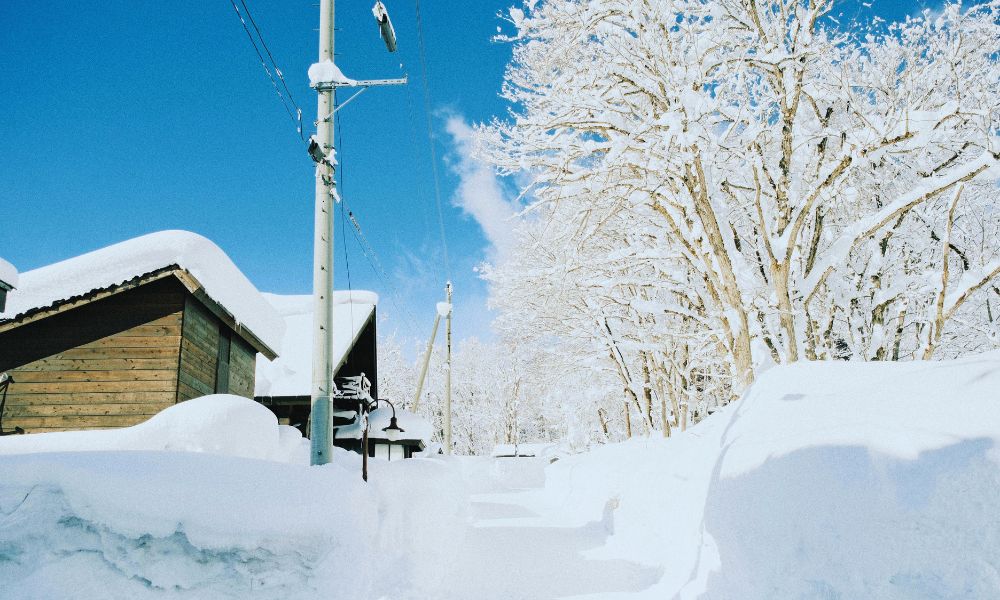
Parts of Myoko Kogen and the wider Myoko area sit inside a national park, and some neighborhoods are also designated as scenic districts (fuuchi chiku). Because these designations exist to protect the mountain landscape, buying a home or akiya in these areas comes with extra rules on what you can build or renovate.
Inside the national park, the Natural Parks Act controls construction and land changes, while scenic districts follow Myoko City’s local scenic ordinance. Both sets of rules require you to get official permission before carrying out common property updates, including:
- Building new structures or adding extensions to an existing house
- Changing exterior materials or repainting outer walls and roofs
- Reshaping or leveling the land
- Cutting down trees
National park permit applications go to either the Ministry of the Environment or Myoko City depending on the work, while scenic district applications go directly to the city. Because Myoko also falls under Niigata Prefecture’s landscape planning area, larger building projects and exterior changes require a separate notification to the prefecture at least 30 days before work starts.
Myoko also tightened its development rules on April 1, 2026. In mapped areas around major ski resorts, including parts of Suginozawa, Sekigawa, Taguchi, Moishizaka, Tagiri, Futamata, Akakura, and Sekiyama, the minimum land size that triggers a formal development permit dropped from 3,000 square meters to 1,000 square meters.
Alongside that change, the city made its early consultation process legally mandatory. Even when a project does not require a formal development permit, certain land alterations and new builds on existing lots must now go through prior consultation with Myoko City. For much larger developments covering 0.5 hectares to under 5 hectares, developers must also set aside at least 150 square meters per location for a park or public green space
Can You Operate a Holiday Rental or Minpaku in Hakuba and Myoko?
Rental income is a major reason overseas buyers look at Hakuba and Myoko, but owning a house near a ski resort does not automatically mean you can list it on Airbnb or rent it out to holidaymakers. Under Japanese law, operating any paid short-term accommodation without the proper approval is an illegal hotel operation, which carries penalties of up to six months in prison or a fine of up to 1,000,000 yen.
To legally host paying guests, your property must qualify under one of two national routes:
- Hotel Business Act (Ryokan Business Act): This licence covers hotels, traditional ryokan, and simple lodging facilities, which includes most commercial lodges, ski chalets, and guesthouses. Obtaining this licence allows you to rent the property out 365 days a year, but the hurdles are much higher. Your building must meet commercial fire safety codes, sanitation rules, front-desk or check-in requirements, and floor space standards.
- Private Lodging Business Act (Minpaku): This is a simpler notification system designed specifically for residential homes, capping rentals at a maximum of 180 nights per year (counted from April 1 to March 31). To qualify, the building must legally be a residence and come equipped with four basic facilities: a kitchen, a bathroom, a toilet, and washing facilities.
On top of these national rules, both Hakuba and Myoko enforce strict local restrictions that directly affect how many days you can operate.
In Hakuba, Nagano Prefecture’s minpaku ordinance restricts operations in specific areas and seasons. Most importantly for ski property investors, Nagano Prefecture prohibits absent-host minpaku operations in Hakuba Village during the peak winter ski season (specifically from December 1 to March 31 in designated resort areas such as parts of Hokujo and Kamishiro). Keep in mind that Hakuba Village also introduced a nightly accommodation tax starting June 1, 2026, ranging from 200 yen to 1,900 yen per person per night depending on the room rate.
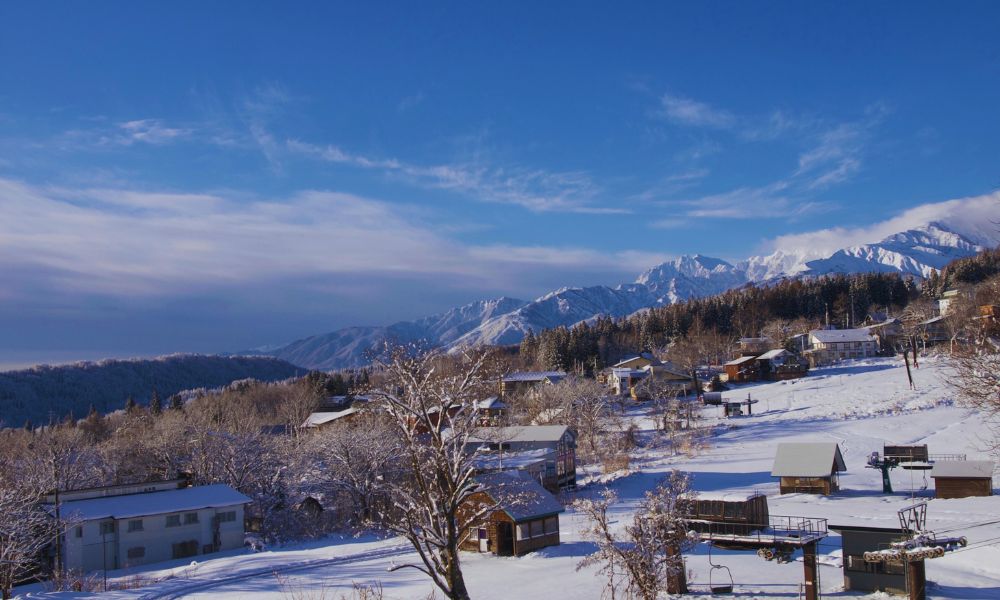
In Myoko, properties fall under Niigata Prefecture’s minpaku ordinance. Under Niigata’s rules, if an operator appoints a registered private lodging management company (which is mandatory whenever the owner does not live on-site), the property is prohibited from operating within 100 meters of schools and childcare facilities on days when classes are in session.
If your property needs renovations or a change of building use (especially for buildings over 200 square meters applying for a Hotel Business Act licence), you will need to factor fire-code upgrades and architect certification into your budget before finalizing the purchase.
Overseas owners must also budget for mandatory property management. Under the minpaku law, if you do not live at the property full-time (or if you rent out more than five rooms), you are legally required to hire a registered private lodging administrator (jutaku shukuhaku kanri gyosha) to handle guest check-ins, passport verification, cleaning, and neighbor complaints.
Renovating and Maintaining a Ski Property in Hakuba and Myoko
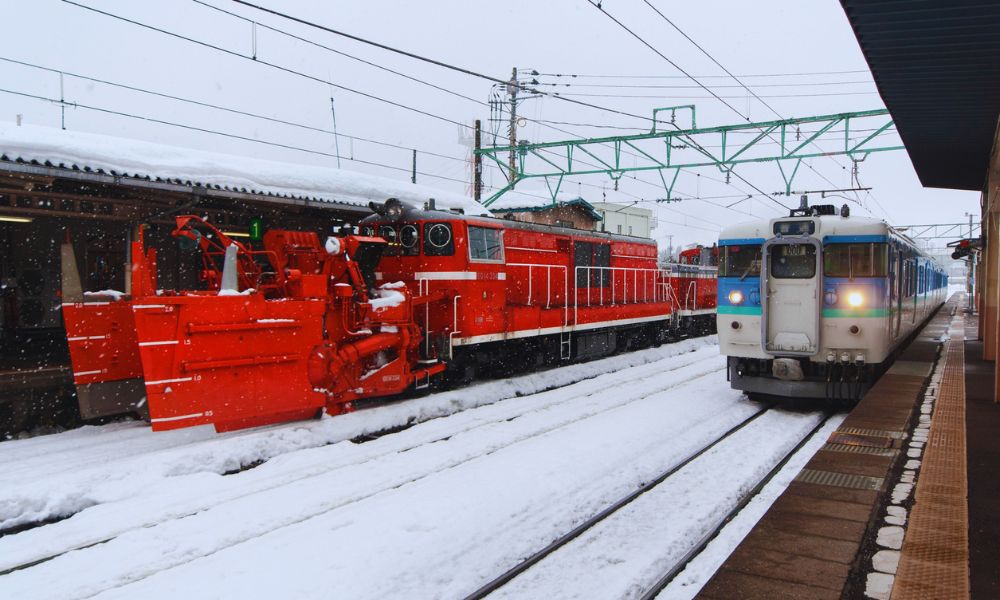
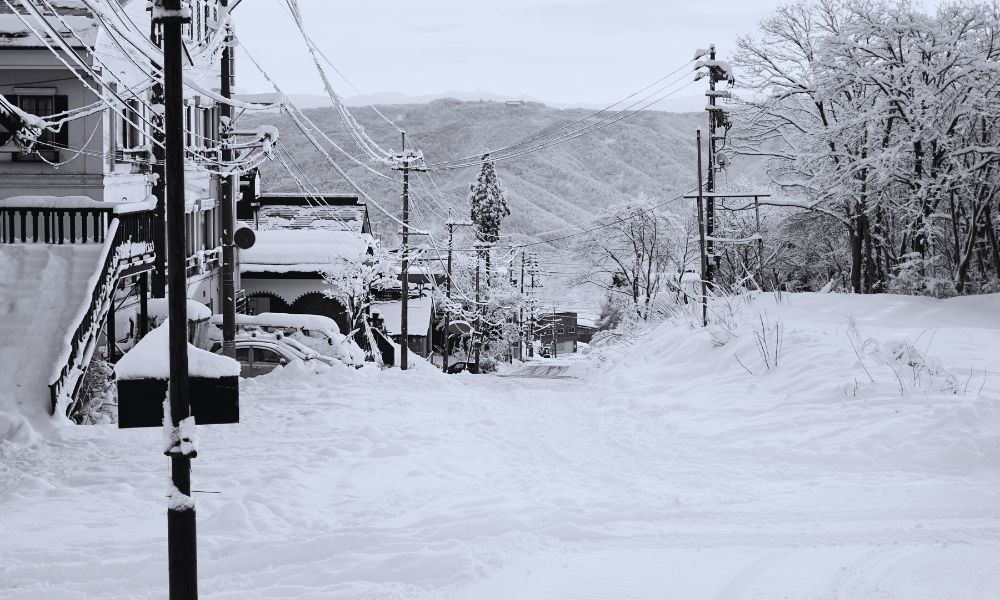
Buying an older home in Hakuba or Myoko means renovating for heavy snow. Deep winter snow puts enormous weight on a roof, and older Japanese homes often have thin insulation, single-pane windows, and exposed pipes that freeze easily when a house sits empty. Before committing to a project, a local builder needs to check if the roof beams can handle winter snow loads, how well the walls, floors, and roof hold heat, and how moisture will vent out so condensation does not rot the wood.
Once the renovation is done, winter maintenance becomes an ongoing expense. While Hakuba Village plows public roads, property owners are responsible for clearing their own driveways, parking spots, and walkways, and village rules prohibit dumping snow onto public roads, into waterways, or onto a neighbor’s land. Depending on your driveway length and roof shape, you will likely need a snowblower or a seasonal contract with a local crew to clear snow from December through March.
Beyond snow clearing, owning a mountain property comes with neighborhood fees and year-round care. Hakuba is divided into 30 administrative districts, and each neighborhood collects regular dues to maintain local roads, waterways, garbage stations, and streetlights. Myoko has similar local setups, along with the need for someone to check the house and drain the water pipes if it sits empty between trips. If you rent the home out, turnover cleaning, linen laundry, high winter heating bills, and an on-call local manager for guest emergencies all eat into your returns. Even in the summer, the house needs regular airing out and yard upkeep before winter rolls around again.
Myoko and Hakuba Property FAQs
Is Hakuba a good place to buy investment property in Japan?
Hakuba has an established international visitor market and demand for ski accommodation. That makes it worth considering, but it doesn’t guarantee a good return. Popular areas also have plenty of competing hotels, lodges and holiday rentals.
Can I use my Hakuba property as an Airbnb?
Yes, but depending on the setup, you will need a Hotel Business Act licence or minpaku registration.
Is it better to buy a chalet or an older Japanese house in Hakuba?
An existing chalet may be easier if you want a property that’s ready to use or rent. An older Japanese house may offer more room to change the layout, but renovation costs can climb quickly if the structure, insulation or heating needs work.
Can I manage a Hakuba or Myoko property from overseas?
Yes, but you’ll need reliable people on the ground. Someone has to deal with winter inspections, snow clearance, maintenance and urgent repairs. Rental properties also need guest communication, cleaning and booking management.
Find and Manage Your Japanese Ski Property with Sumica
Sumica works with international investors throughout the Japanese property process, from sourcing and acquisition to renovation, leasing and resale.
Our off-market sourcing service looks beyond the properties listed on public websites. We assess opportunities based on location, rebuildability, renovation costs and potential yield, helping you focus on properties that match your investment plans.
Once you’ve found a property, Sumica can coordinate renovation work with local craftspeople. We focus on practical improvements that fit your budget and intended use, with progress updates through photos and videos. Check out this successful property renovation project we had in Chiba.
For owners planning to rent out their property, our management services include tenant placement, contracts, rent collection, maintenance and repairs. We also provide monthly online reports, so you can keep track of your property while living overseas.
When you’re ready to sell or change your investment strategy, Sumica can help you look at options such as long-term rental, short-term accommodation or resale. We also support international clients with company incorporation, tax planning and succession planning.
Sumica’s services and coverage depend on the property and location, so the first step is to discuss the specific area and project with our team.
Ready to discuss your Japanese ski property plans? Contactez Sumica maintenant.