This quick insight was originally published in our Sumica Weekly newsletter.
The idea of buying an abandoned Japanese house for a fraction of the cost of a modern home is incredibly appealing. However, bridging the gap between a neglected structure and a profitable, livable space requires a clear strategy. In this article, we break down exactly what it takes to transform these properties from liabilities into assets, using two of our real case studies from Kamagaya (Chiba) and Musashino (Tokyo).
The First Hurdle: Why Things Are Left Behind

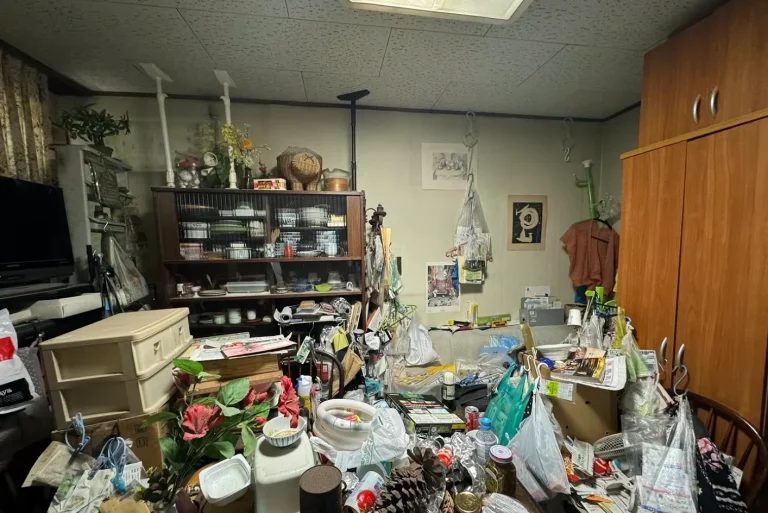
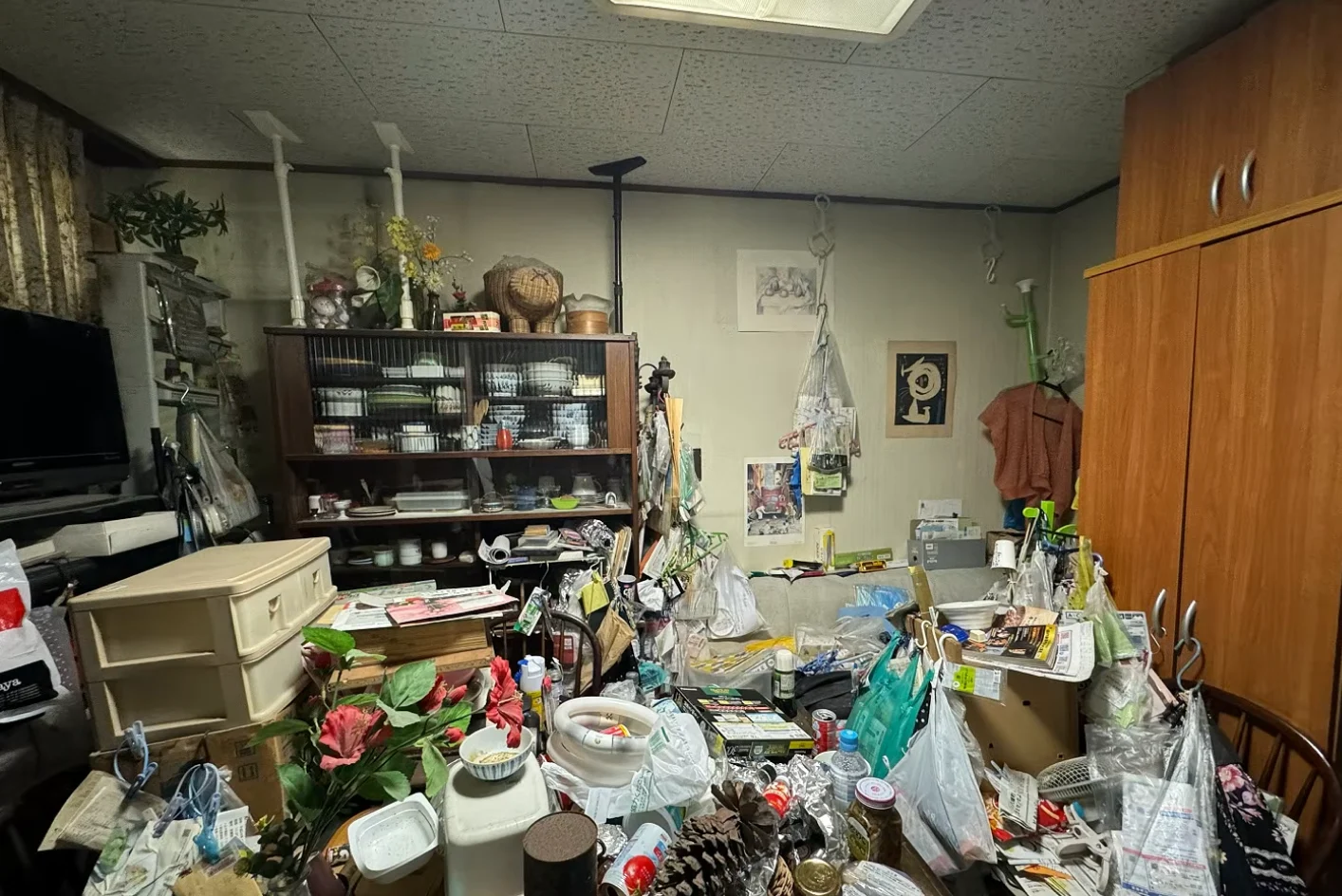
When you buy a “vacant” Japanese house, it rarely means the property is completely empty. You will often walk into homes filled with items left behind by previous owners, leaving you to wonder why there are so many things still inside. Clearing out these abandoned belongings is one of the biggest initial headaches of the Akiya process.
Fortunately, you do not have to do it yourself. At Sumica, we handle this massive cleanout for you, though this service does come with an additional cost that should be factored into your overall budget.
The Renovation Cost Range & Timeline
Once the house is empty, we assess the scope of work. Typically, these renovations cost between 500,000 and 2,000,000 yen. The final price largely depends on the property’s starting condition. The timeline is highly efficient: light renovations generally take around one to two months, while larger projects that require full kitchen or bathroom replacements extend to two to three months.
The "Before & After" Transformation
Transforming a 50-to-60-year-old space requires looking past the surface clutter. Here is exactly what that looked like in our recent projects:v
Case Study 1: Kamagaya City, Chiba
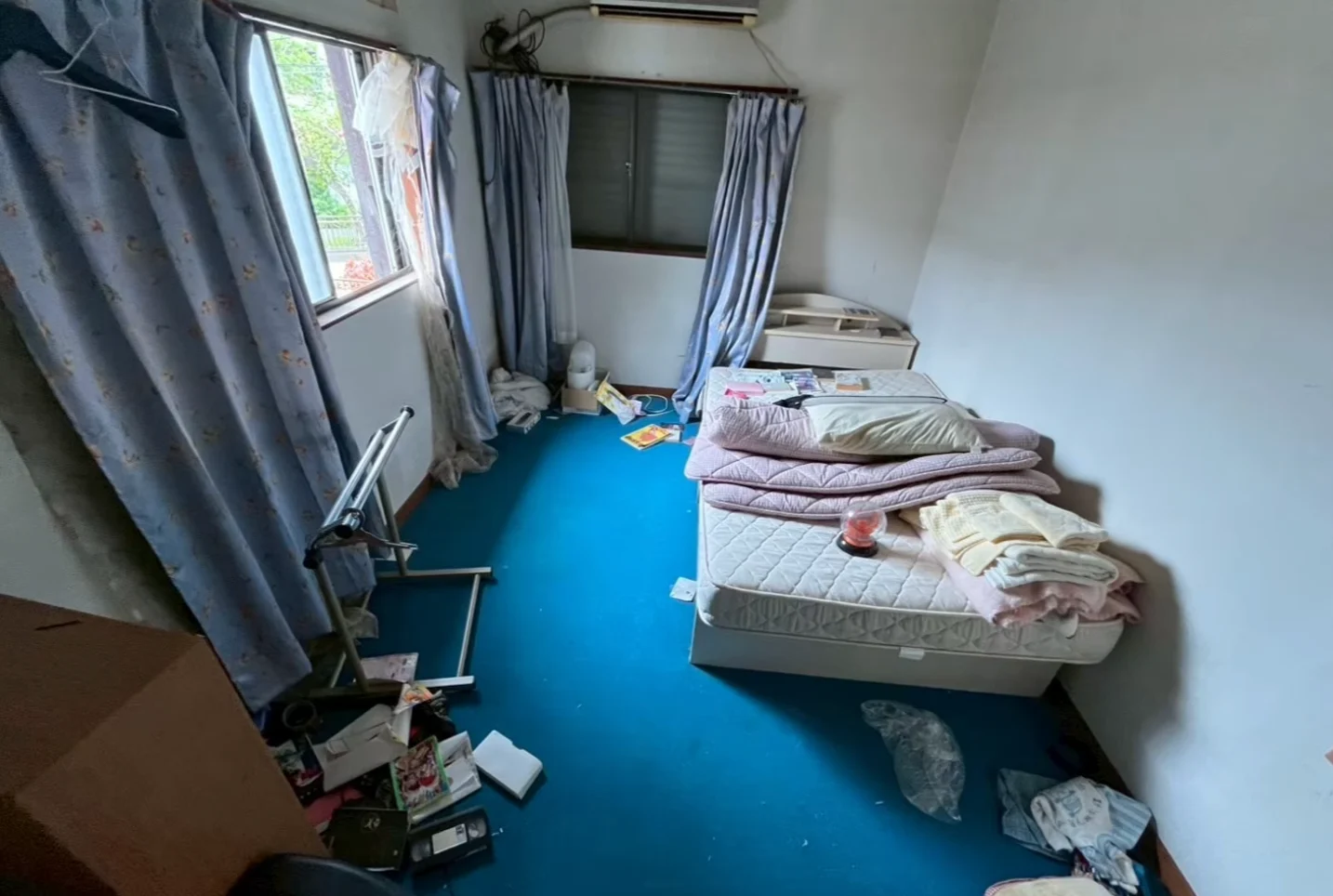
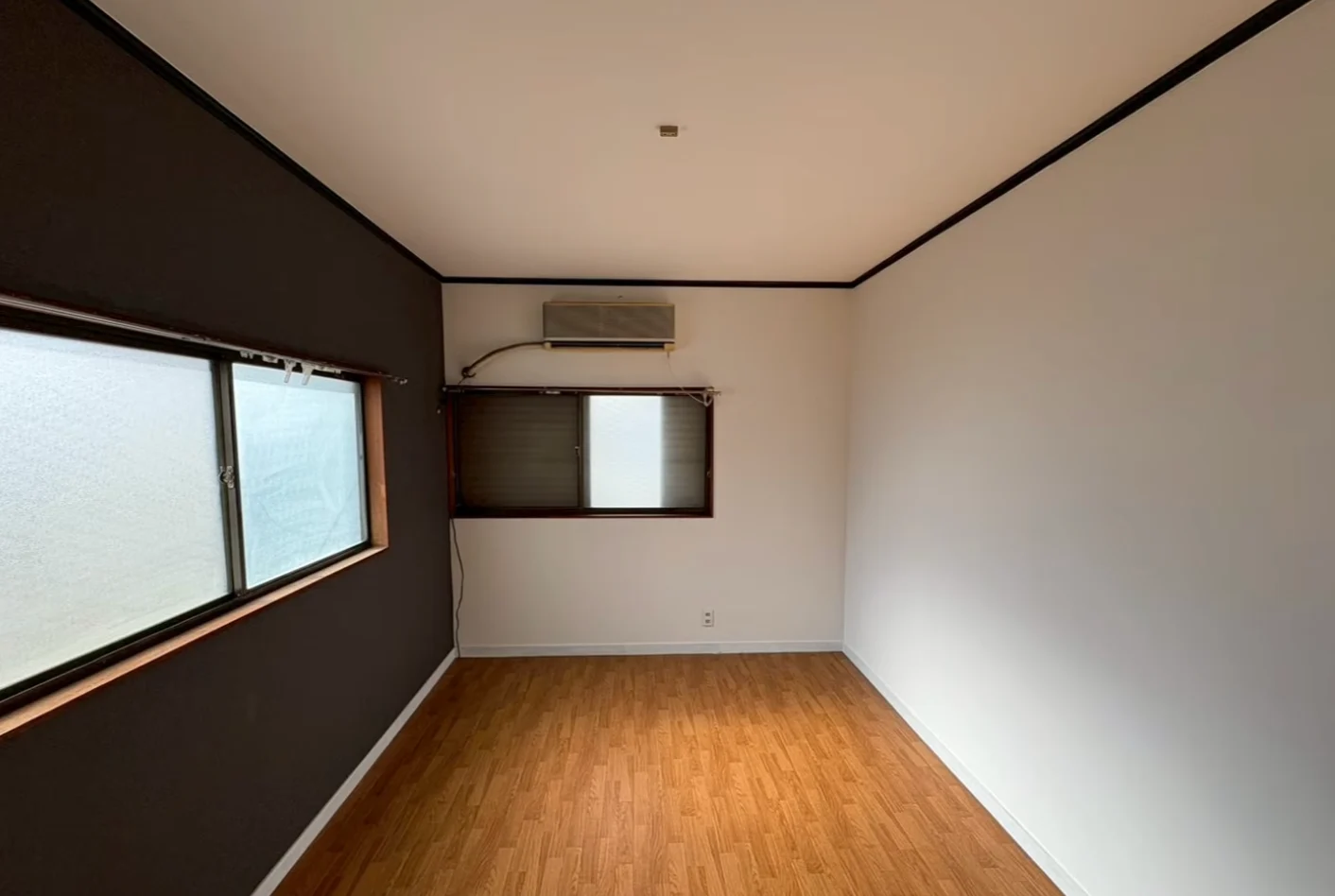
Before the renovation, this suburban home was filled to the brim with abandoned belongings and in noticeably bad condition. Once the debris was cleared, the focus shifted to high-impact repairs. The ceilings were fixed, wallpapers updated, and the flooring, tatami rooms, kitchen, and toilets were refreshed.
To keep costs down, the original built-in wardrobes were kept as-is. The result is a highly decent, move-in ready family home. However, buyers should note that old, broken AC units usually need replacing at their own expense.
Case Study 2: Musashino City, Tokyo
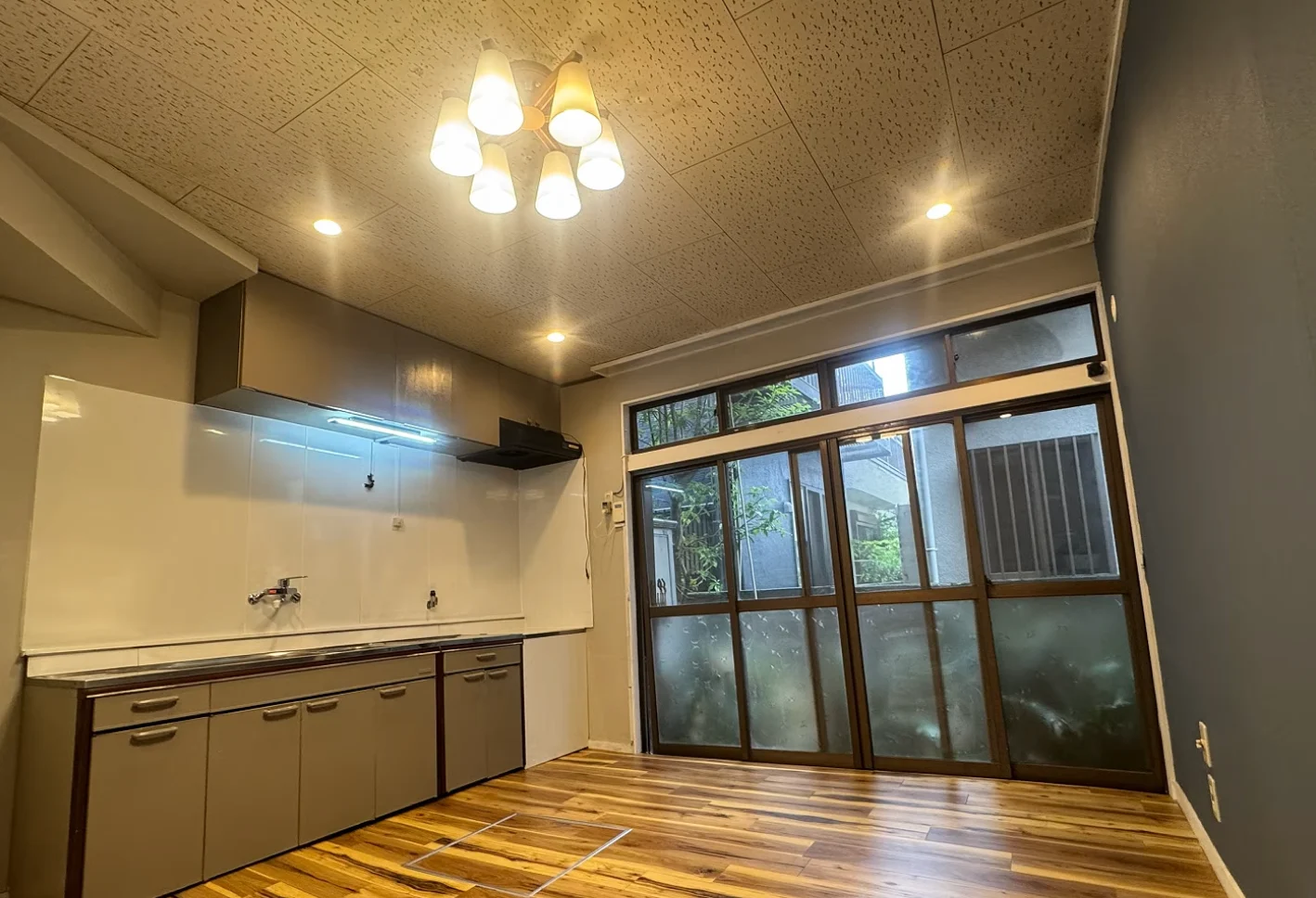
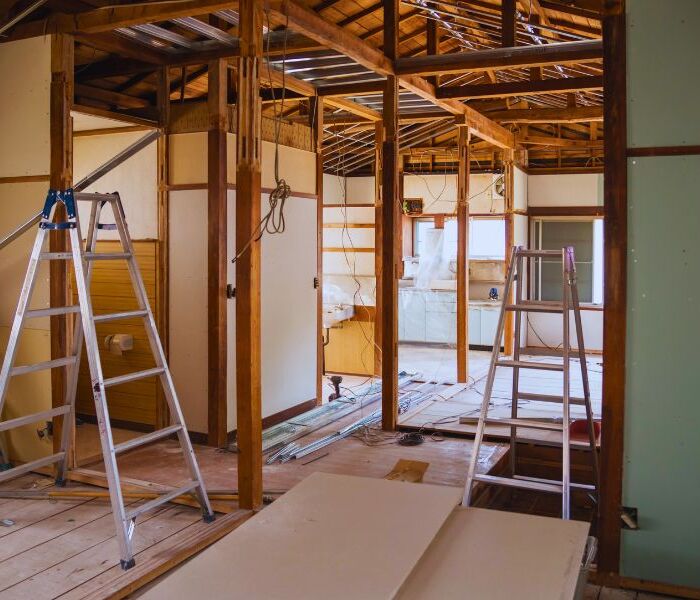
Located in a highly desirable area, this older house was cluttered and hiding critical, invisible issues behind the walls. The renovation went much deeper here. The old, risky plumbing and electrical wiring were completely replaced to meet safety standards.
With new flooring, fresh walls, and modern lighting installed, the space was transformed to give off a premium “Airbnb vibe.” Positioned near a train station, it is now perfectly primed to generate long-term rental income.
The "Minimum Essential Renovation" Strategy
To maximize cost efficiency, we determine the renovation scope based on market demand and our extensive experience. We aim strictly for the “minimum essential renovation” to ensure the property is livable and rentable. This approach means it is not always possible for owners to request custom specifications.
Instead, we prioritize the absolute basics: safety (electricity and plumbing), water-related areas (kitchens, bathrooms, and toilets), and surface finishes (flooring and walls). Keep in mind that furniture and appliances are not included in this scope, so you will need to furnish the property yourself once the basic renovations are complete.
Ready to start your journey?
Curious about what a real Akiya transformation could look like for your portfolio? Schedule a consultation with our team today!
想获取更多此类市场洞察吗?我们每周都会向订阅用户发送独家非公开房源精选、投资策略及本地数据。 点击此处订阅《Sumica Weekly》邮件列表 这样您就不会错过任何更新。