Este breve análisis se publicó originalmente en nuestro boletín «Sumica Weekly».
La idea de comprar una casa japonesa abandonada por una fracción del precio de una vivienda moderna resulta increíblemente atractiva. Sin embargo, para convertir una estructura en desuso en un espacio habitable y rentable es necesario contar con una estrategia clara. En este artículo, desglosamos exactamente qué se necesita para transformar estas propiedades de pasivos en activos, utilizando dos de nuestros casos prácticos reales de Kamagaya (Chiba) y Musashino (Tokio).
El primer obstáculo: por qué se dejan cosas atrás
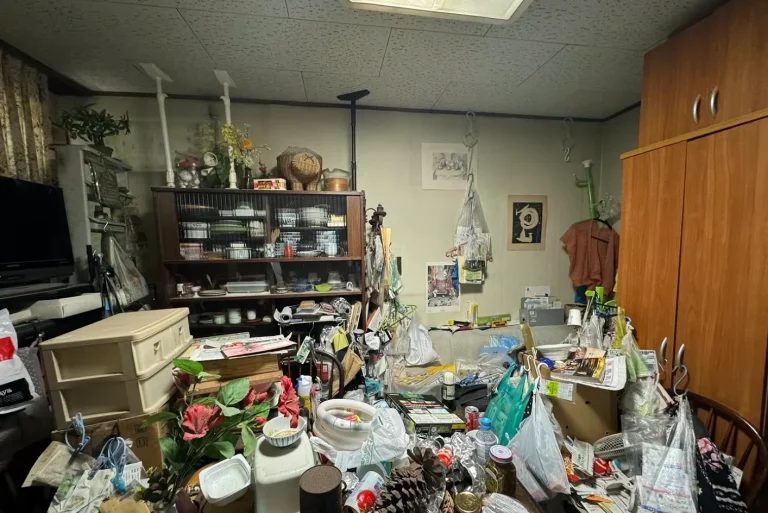
Cuando compras una casa japonesa «desocupada», rara vez significa que la vivienda esté completamente vacía. A menudo te encontrarás con casas llenas de objetos que han dejado los anteriores propietarios, lo que te hará preguntarte por qué sigue habiendo tantas cosas dentro. Deshacerse de estas pertenencias abandonadas es uno de los mayores quebraderos de cabeza iniciales del proceso de Akiya.
Afortunadamente, no tienes que hacerlo tú mismo. En Sumica nos encargamos de esta limpieza a fondo por ti, aunque este servicio conlleva un coste adicional que debes tener en cuenta a la hora de calcular tu presupuesto total.
Rango de costes y calendario de la reforma
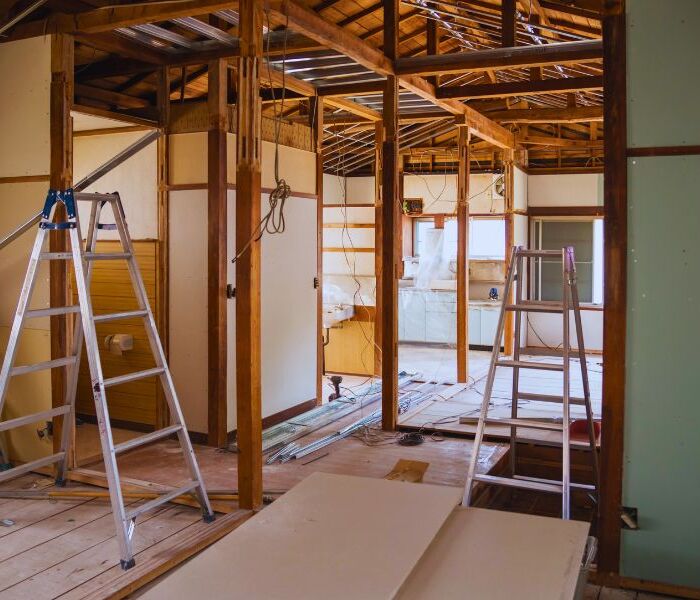
Una vez que la vivienda está vacía, evaluamos el alcance de las obras. Por lo general, estas reformas cuestan entre 500 000 y 2 000 000 de yenes. El precio final depende en gran medida del estado inicial de la vivienda. El plazo de ejecución es muy eficiente: las reformas ligeras suelen durar entre uno y dos meses, mientras que los proyectos de mayor envergadura, que requieren la sustitución completa de la cocina o el cuarto de baño, se prolongan entre dos y tres meses.
La transformación «antes y después»
Para transformar un espacio de entre 50 y 60 años hay que ir más allá del desorden superficial. Así es exactamente como quedó en nuestros últimos proyectos:v
Caso práctico n.º 1: Ciudad de Kamagaya, Chiba
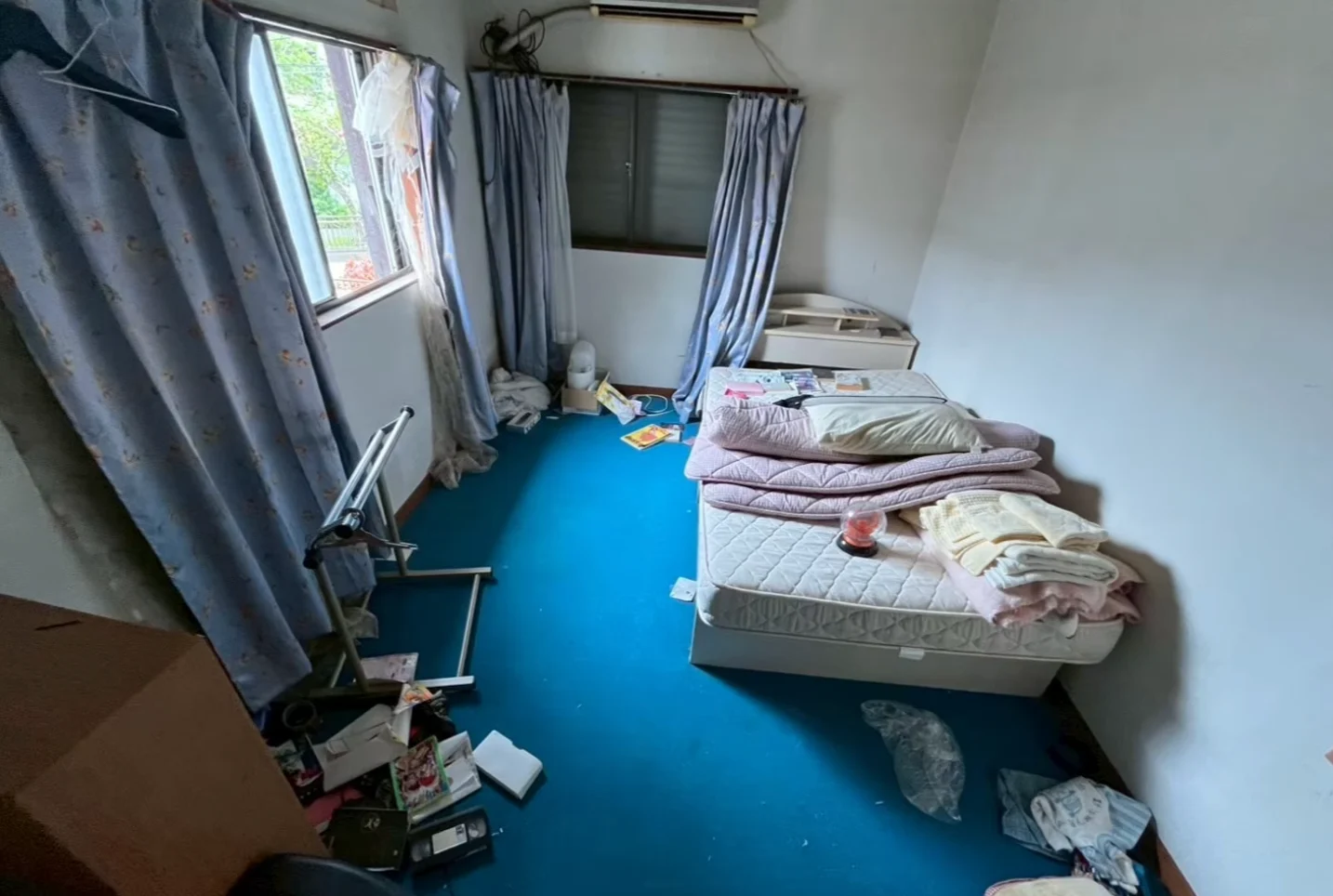
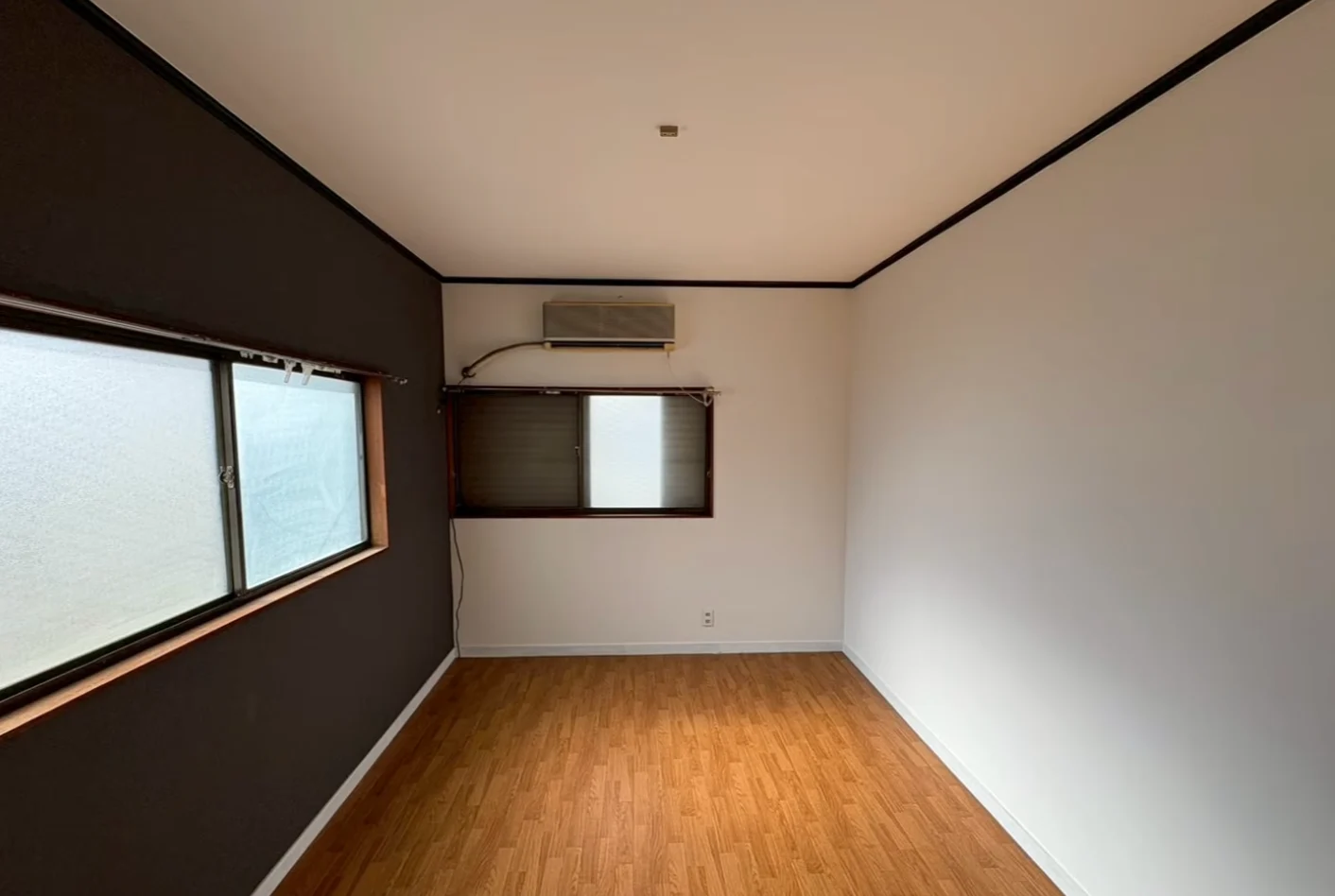
Antes de la reforma, esta vivienda de las afueras estaba repleta de objetos abandonados y se encontraba en un estado visiblemente deteriorado. Una vez retirados los escombros, la atención se centró en las reparaciones más urgentes. Se arreglaron los techos, se renovaron los papeles pintados y se renovaron los suelos, las habitaciones con tatami, la cocina y los aseos.
Para reducir los costes, se mantuvieron tal cual los armarios empotrados originales. El resultado es una vivienda familiar muy decente y lista para entrar a vivir. No obstante, los compradores deben tener en cuenta que los aparatos de aire acondicionado antiguos y averiados suelen tener que sustituirse por cuenta propia.
Caso práctico n.º 2: Ciudad de Musashino, Tokio
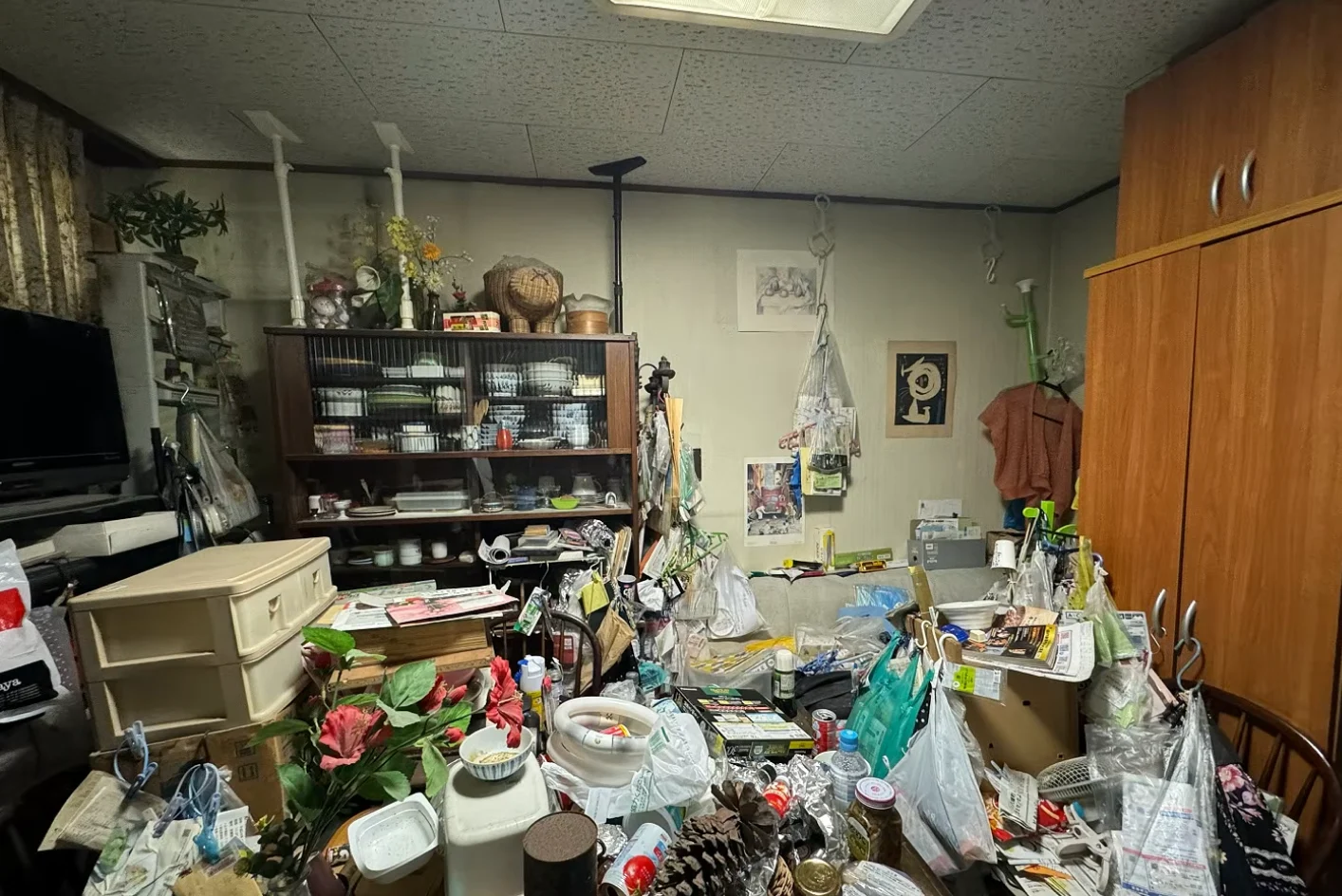
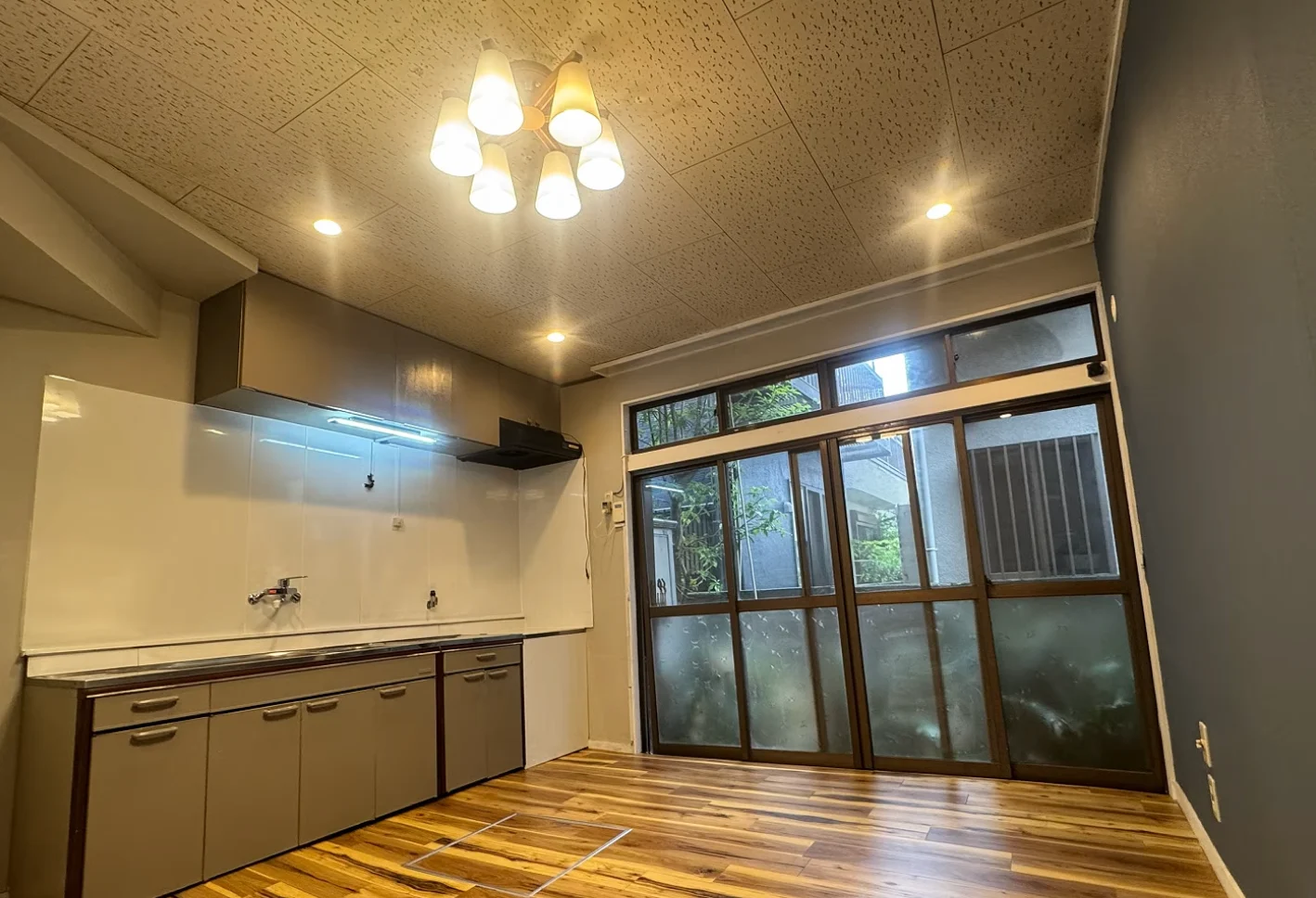
Situada en una zona muy cotizada, esta vivienda antigua estaba abarrotada y ocultaba problemas graves e invisibles tras las paredes. La reforma fue mucho más profunda en este caso. Las antiguas y peligrosas instalaciones de fontanería y cableado eléctrico se sustituyeron por completo para cumplir con las normas de seguridad.
Con el nuevo suelo, las paredes recién pintadas y la iluminación moderna ya instalada, el espacio se ha transformado para transmitir un «ambiente de Airbnb» de primera categoría. Situado cerca de una estación de tren, ahora está perfectamente preparado para generar ingresos por alquiler a largo plazo.
La estrategia de «renovación mínima imprescindible»
Para optimizar la rentabilidad, determinamos el alcance de la reforma basándonos en la demanda del mercado y en nuestra amplia experiencia. Nos centramos estrictamente en la «reforma mínima imprescindible» para garantizar que la vivienda sea habitable y se pueda alquilar. Este enfoque implica que no siempre es posible que los propietarios soliciten especificaciones personalizadas.
En su lugar, damos prioridad a lo más básico: la seguridad (instalación eléctrica y fontanería), las zonas relacionadas con el agua (cocinas, baños y aseos) y los acabados de superficies (suelos y paredes). Ten en cuenta que los muebles y los electrodomésticos no están incluidos en este alcance, por lo que tendrás que amueblar la vivienda por tu cuenta una vez finalizadas las reformas básicas.
¿Estás listo para empezar tu viaje?
¿Te gustaría saber cómo podría ser una auténtica transformación de Akiya en tu cartera? ¡Pide cita hoy mismo con nuestro equipo!
¿Quieres recibir más información sobre el mercado como esta? Cada semana enviamos a nuestros suscriptores información exclusiva sobre propiedades fuera del mercado, estrategias de inversión y datos locales. Suscríbete aquí a la lista de correo de Sumica Weekly para que no te pierdas ninguna novedad.