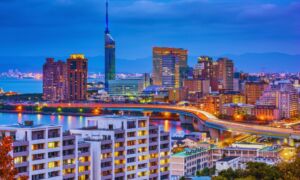
Akiya, Japan’s vacant homes, still represent a real opportunity in 2026, but the landscape has shifted. New tax obligations, tightened land registry laws, and rising renovation costs mean uninformed buyers face serious exposure. For international investors who move strategically, undervalued akiya properties in emerging rural corridors remain accessible.
The Number That Started the Akiya Gold Rush
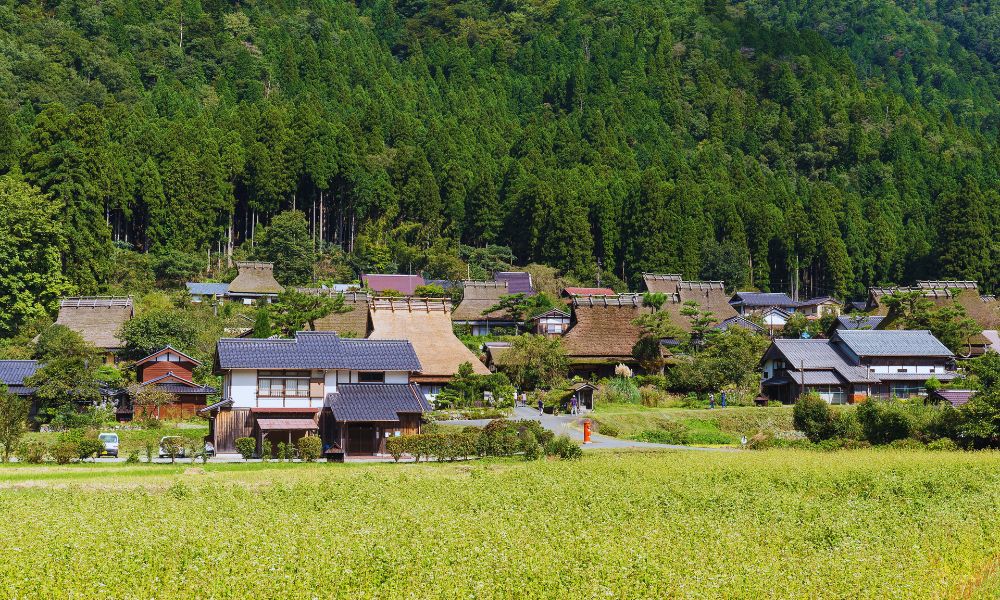
Somewhere around 2021, a statistic got loose on the English-language internet. Japan had roughly 8.49 million vacant homes, according to the Ministry of Internal Affairs and Communications Housing and Land Survey. That number, combined with photos of crumbling farmhouses priced like used cars, kicked off a media cycle that ran for years.
The “¥0 house” had Japan’s rural towns emptying out so fast that owners were basically giving property away, and smart foreign buyers could grab it before anyone noticed. The BBC covered it. Bloomberg covered it. For a while, akiya felt like the most obvious bargain in real estate.
It wasn’t entirely wrong. The problem related to the decreasing and aging population is real, and prices in rural Japan are truly low by any global measure. But the story people ran with was a simplified version of something much more complicated. The gap between “Japan has millions of empty houses” and “you can profitably buy one” is exactly where most foreign investors have lost time, money, and patience.
What the Akiya Market Actually Looks Like in 2026
![Why the Perfect Affordable Property in Japan Does Not Exist [Investor Lesson #3]](https://akiya-sumica.com/wp-content/uploads/2026/05/1-1.jpg)
The pandemic years produced a real, if modest, shift in where Japanese people chose to live. Younger workers in Tokyo started moving to rural prefectures at rates the country hadn’t seen in decades. Towns in Nagano, Tokushima, and parts of Kyushu saw population increases between 2020 and 2023. Local governments took this as proof their revitalization plans were working, and they doubled down on Akiya Bank programs, renovation subsidies, and relocation incentives.
By 2025, that momentum had leveled off. Remote work hit a ceiling as major Japanese companies started pushing employees back into the office. Yes, akiya bank listings have grown across most prefectures, but more listings doesn’t mean better listings.
A large share of what shows up on these registers carries title problems, renovation costs that don’t make financial sense, or locations in towns where schools have shut or hospitals have been merged. Japan’s broader real estate market in 2025 and 2026 reflects this, with strong performance concentrated in urban and well-connected regional markets.
As rural revitalization continues and market dynamics shift, the most common question we receive from overseas clients is: can foreigners buy property in Japan? The answer remains a definitive yes, there are absolutely no citizenship restrictions on property ownership. However, capitalizing on akiya opportunities in 2026 requires understanding the new mandatory land registry reforms and accurately projecting rising renovation costs before you buy.
Can Foreigners Buy Property in Japan Under the 2026 Regulations?

Japan’s revised Real Property Registration Act passed in 2021, with mandatory registration fully active from April 2024. Heirs who inherit real estate and don’t register the ownership change within three years now face fines of up to ¥100,000. Those penalties are live as of 2026.
This directly affects akiya buyers because rural properties have often moved through multiple generations of the same family with no formal registry updates. In some cases, the person listed as the registered owner died decades ago, and the actual heirs are scattered, unreachable, or unknown. Clearing the title on a property like this means tracing the family register (koseki), finding every potential heir, getting their cooperation or formal sign-off, and filing everything with the Legal Affairs Bureau. That process takes months and sometimes even fails completely.
The new registry law has added a useful side effect. Heirs who used to ignore an inherited property they didn’t want now face a legal obligation to deal with it. Many are choosing to register and sell, which helps market liquidity.
But the same law has also brought genuinely unsolvable title cases to the surface, properties where tracing heirs across two or three generations turns up dead ends. No price reduction fixes an inheritance deadlock. This means that you should not buy an akiya in 2026 without a Japanese-qualified judicial scrivener running a full title investigation first.
What Foreign Akiya Buyers Must Know About The 2026 Tax Environment
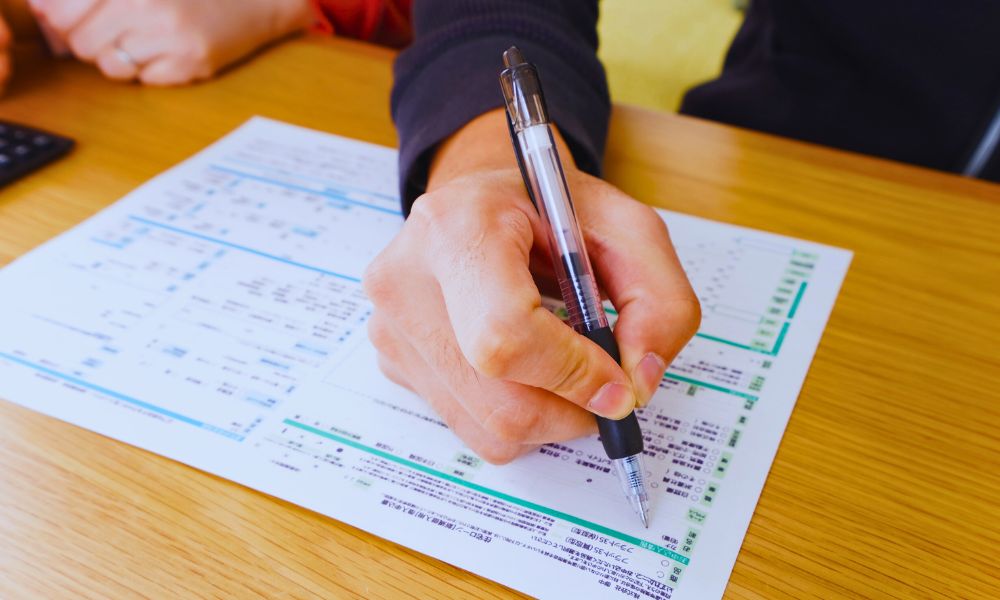
Japan’s tax rules for foreign property owners haven’t changed in one big move, but a series of clarifications in 2024 and 2025 has quietly raised the admin burden for non-resident investors.
To start with, the fixed asset tax (kotei shisan-zei) for rural property with a structure on it, the rate is often modest. Japan’s special measures for residential land reduce the tax base to one-sixth of assessed value for improved parcels. But if you demolish the structure, or the municipality formally classifies the building as uninhabitable, that preferential rate goes away entirely.
Several towns in Niigata and Akita have been more aggressive about reclassifying neglected akiya as vacant land, which triggers the full tax rate on owners who assumed their holding costs were low. If you rent out the property, Japanese income tax applies to what you earn. Non-residents without a Japanese tax agent pay about 20 percent withholding rate on gross rental income. It’s almost painfully obvious that you’ll need to appoint a qualified tax representative and file annual returns, but most foreign buyers haven’t built this into their operating model before investing in an akiya.
Where the Real Akiya Opportunity Has Moved
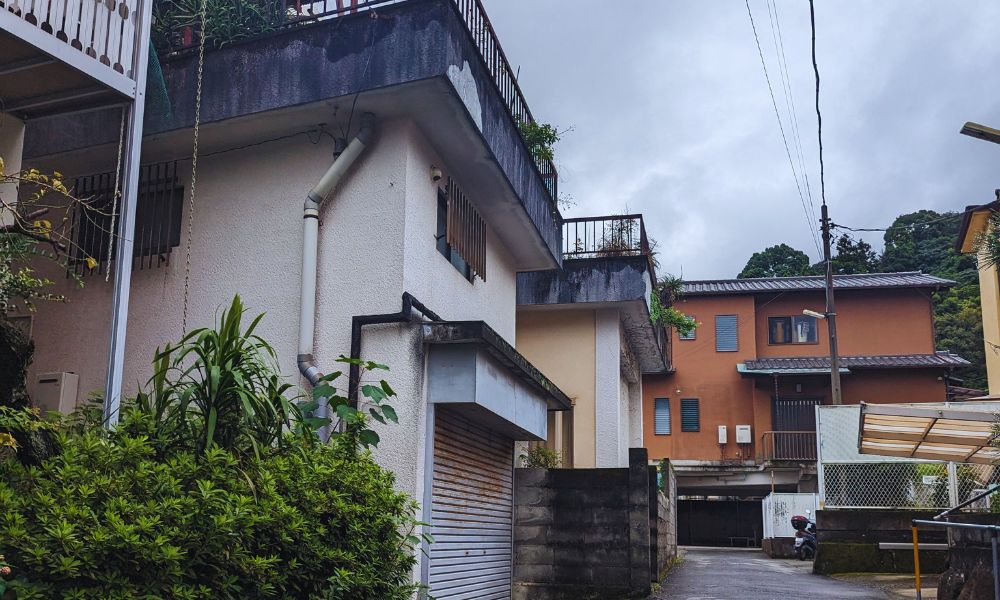
The akiya opportunity in 2026 hasn’t closed, but it has moved and gotten more selective.
The ¥0 house three hours from the nearest rail connection, with no rental demand and a shrinking permanent population, was always a harder trade than it looked, but that part of the market is now tough to make work.
The deals attracting serious investors lie in Japan’s Greater Tokyo satellite cities, like Chiba, Kanagawa, Saitama, and the commuter towns within their prefectures. These places have established rental demand, direct train lines to central Tokyo, and functioning schools and hospitals.
For investors, this means the relevant question is not “how cheap can I buy?” but “how close to Tokyo can I buy something that the market is still mispricing?” A neglected house in a well-connected Kanagawa town, renovated to a livable standard, competes for the same tenant pool as purpose-built rentals at a fraction of the replacement cost.
If you’re thinking about building a portfolio across multiple akiya markets, this guide to building an akiya portfolio with Sumica walks through how the deal selection process works across different prefectures.
What to Ask Before You Commit to Any Akiya in 2026
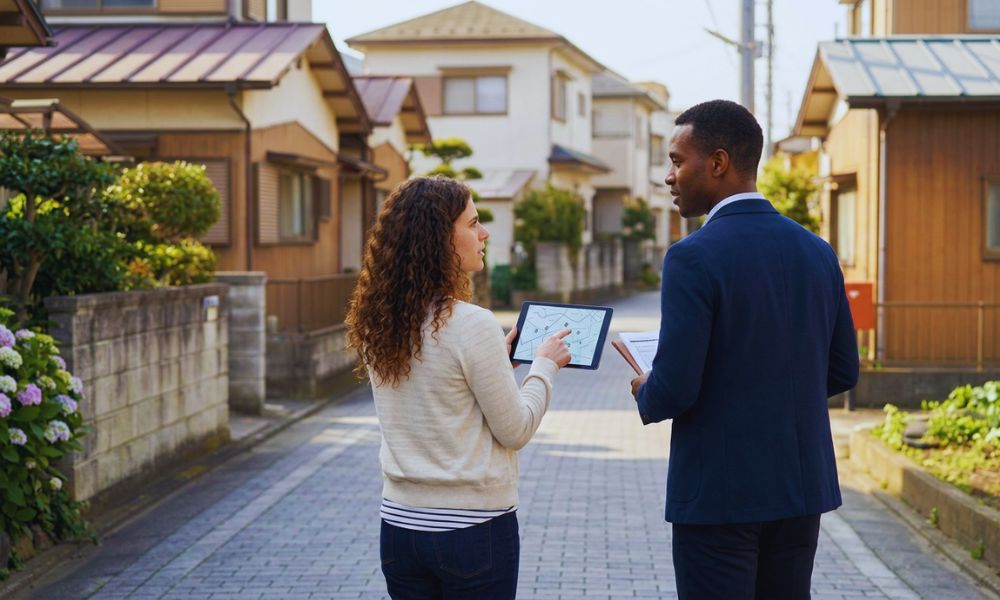
Start with the title. Who are the current registered owners, and when was the registry last updated? If the registered owner is deceased, have all legal heirs been found and formally documented? A clean title is a completely different asset from one carrying decades of unrecorded inheritance.
Also ask about renovation scope. Has a structural engineer physically inspected the property? What condition are the roof, foundation, and electrical system in? A property listed at ¥2 million that needs ¥25 million in work is not a bargain.
Next, understand the location context. What has the town’s population done over the last ten years? Is the local service infrastructure stable or shrinking? The gap between a municipality investing in its future and one quietly managing long-term decline doesn’t always show up in a listing, but it matters enormously to your investment thesis.
Finally, get clear on who manages the ongoing relationship, and put it in writing. Fixed asset tax has to get paid every year. The structure needs regular maintenance or the municipality reclassifies it. Contractors need to be supervised. If you’re buying from abroad, “who handles this” needs a specific, named answer before you sign anything.
Sumica is built to be that answer. Our service doesn’t stop at the sale. Once your property is purchased and renovated, we handle tenant sourcing, lease contracts, rent collection, maintenance coordination, and unit restoration after move-out, all managed remotely and reported to you regularly. For a foreign buyer who will never physically manage the asset day-to-day, this end-to-end structure is what makes the investment viable in the first place.
So yes, the akiya opportunity in 2026 is real… but only for investors who treat it like a real investment. Japan isn’t giving property away. It’s offering access to real estate priced mostly on the friction of buying it, not on its actual underlying value. If you successfully cut through that friction, then you have bagged yourself a good investment.
Frequently Asked Questions About Akiya in 2026
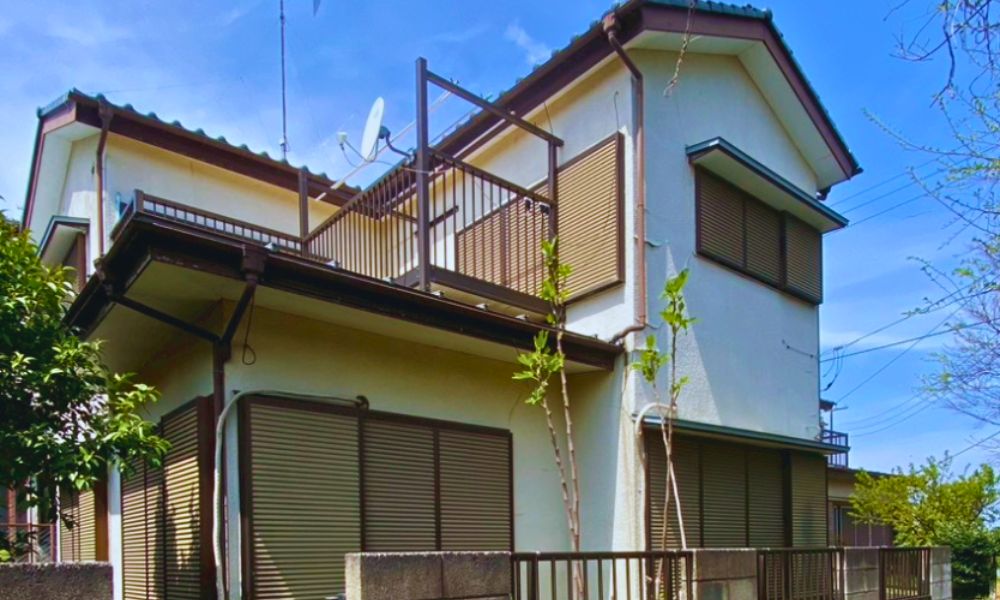
Can foreigners legally buy akiya in Japan?
Yes, and with fewer restrictions than most people expect. Japan has no nationality-based rules blocking foreign property ownership. A non-resident foreign national can buy real estate, register it in their name, and hold it as long as they want.
How much does it actually cost to renovate an akiya in 2026?
More than most listings suggest. A basic refresh of a structurally sound property might land between ¥3 and ¥5 million. A full renovation of a traditional kominka, covering electrical, plumbing, insulation, roofing, and interior finishes, routinely runs ¥15 to ¥35 million depending on size, location, and how available contractors are. Get a structural inspection before you commit, and treat any estimate you receive without a site visit as a rough guess, not a real number.
Are akiya still available for free or very low cost?
Some are, but the pool is smaller and more legally tangled than the media coverage made it seem. Properties that are genuinely viable, meaning clean title, sound structure, and a sensible location, don’t have a ¥0 price tag.
Is short-term rental of an akiya property legal in Japan?
Yes, under specific conditions. Properties used for short-term rental must be registered with the local municipal authority under the Minpaku Law framework, and you have to meet both national standards and any additional local rules. Many municipalities have added their own limits, including geographic restrictions and annual operating day caps below the national 180-day ceiling.
Taking the First Step Toward Your Akiya Portfolio
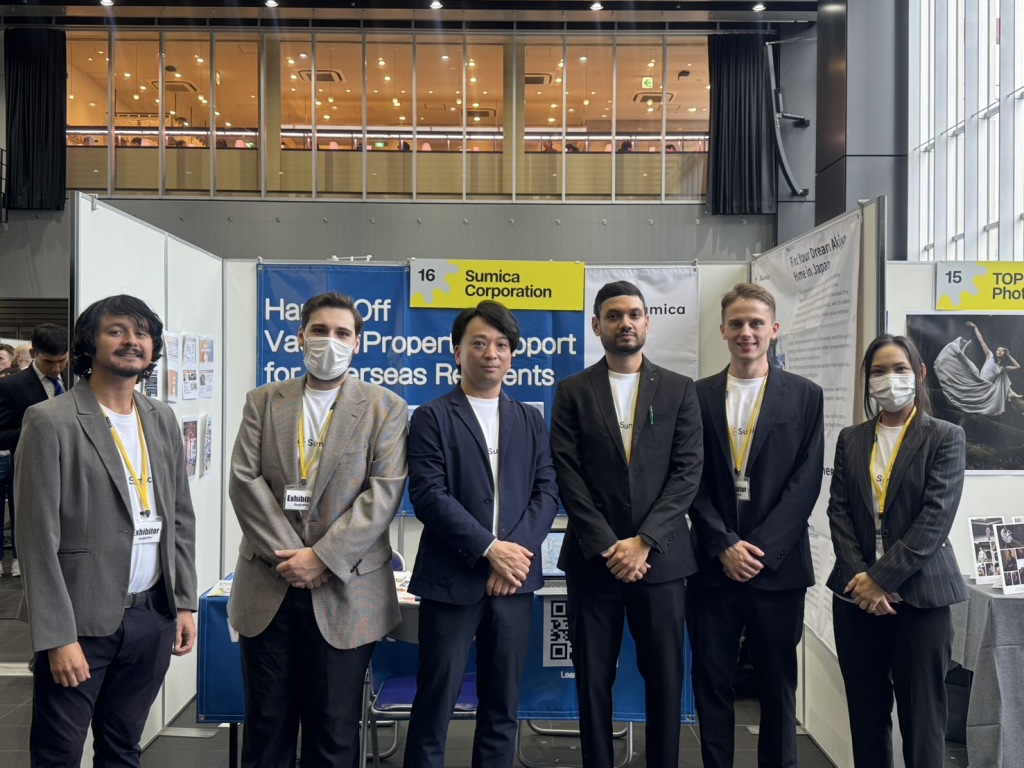
The investors who do well in Japan’s akiya market share one thing: they treat the acquisition like a structured process, not a treasure hunt. They set their criteria before searching, sort out legal questions before signing, and have operational infrastructure ready before renovation starts.
Are you one of those investors? Then, let us be your partner. Sumica’s managed partnership model handles the legal coordination, contractor relationships, municipal dealings, and ongoing compliance that turn an akiya from an interesting idea into a performing asset. We work with a number of investors at any one time, which means the due diligence we put into each property is real. We’ll tell you quickly what’s realistic and what isn’t, and that’s the most useful thing any advisor in this market can give you.
Ready to invest in your first akiya this 2026? Contact Sumica now.

![Why You Should Never Choose a Property Based on Gross Yield Alone [Investor Lesson #6]](https://akiya-sumica.com/wp-content/uploads/2026/10/3-2-300x180.jpg)
![Why Good Japanese Properties Sell Within Days [Investor Lesson #1]](https://akiya-sumica.com/wp-content/uploads/2026/09/2-1-300x180.jpg)