
If you have been following the viral stories about $500 houses in Japan, you have likely heard of an Akiya Bank. But do you honestly fully know what an Akiya Bank is?
An Akiya Bank is a municipal database used to match vacant home owners with potential buyers. It is important to start with the reality that this is not a ‘bank’ at all and it is definitely not a centralized marketplace. It is a loose network of individual local government databases trying to save shrinking towns.
The registration process for international buyers tightened in early 2026. You now need to declare your citizenship and intended use of the property directly to the city office, and that paperwork has a hard deadline attached to it. Miss it and your inquiry gets shelved. This was a move to stop houses from sitting empty, so if you are not prepared for that paperwork, the city office will likely reject your inquiry before you even see the front door.
The Messy Reality of Municipal Listings
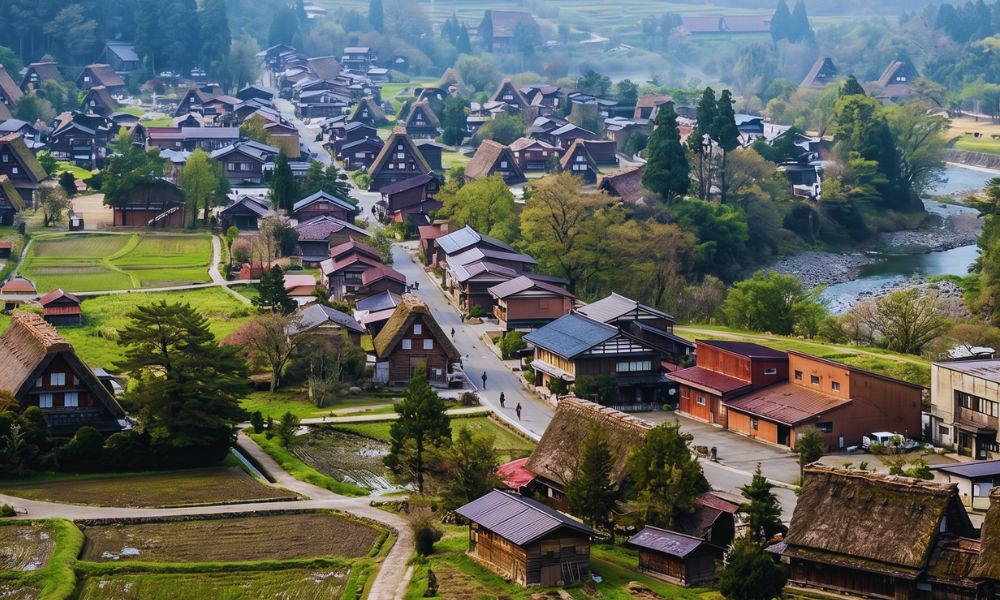
There are over 1,700 municipalities in Japan and almost all of them run their own independent Akiya Bank. Some have great websites while others look like they have not been updated since the early 2000s. Most are strictly in Japanese and are targeted at local families rather than international investors.
The biggest trap is thinking that a listing means the house is ready to be lived in. These are almost always sold as-is. Local city officials are not building inspectors. They will not tell you about foundation rot, the 1980s seismic failures, or the termite colonies hidden in the walls. You are essentially buying the previous owner’s problems along with the land.
Then there is the legal side of the equation. You will often find houses where the owner listed in the bank is a relative who passed away twenty years ago. If the inheritance was not cleared legally, you are looking at a deadlock that could take years to untangle.
You also have to factor in the 2026 Property Acquisition Tax which is currently sitting at 3%. Most renovation grants are reimbursement only. This means you pay for everything upfront and prove you have lived there for three years before you see a single yen back from the government.
The 2026 Renovation Reality
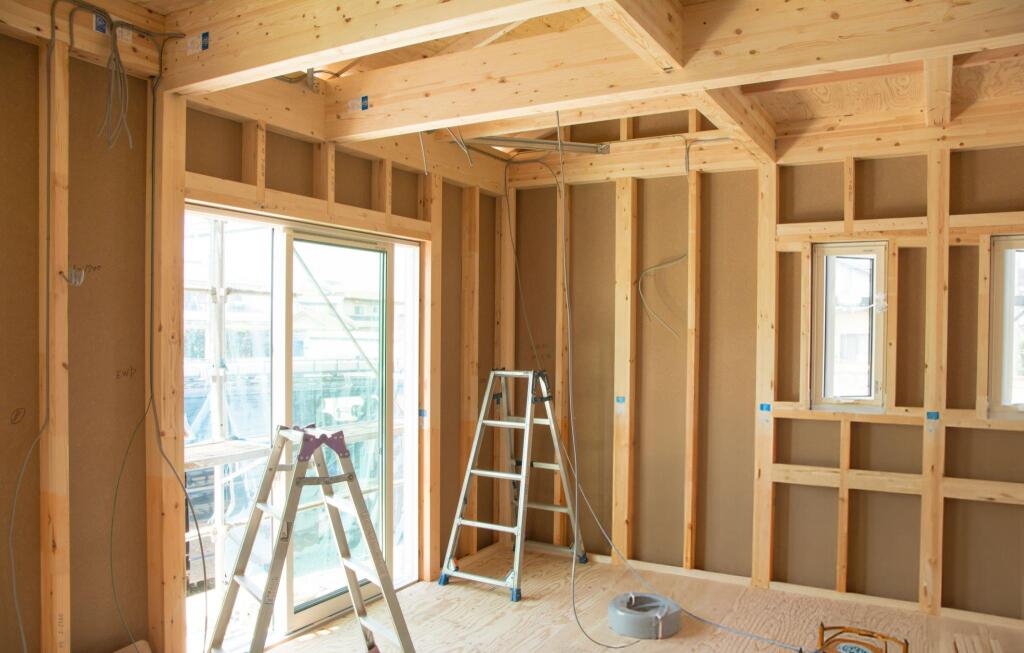
Finding the house is one thing but finding someone to fix it is another matter entirely. The labor market in Japan has tightened significantly this year. General contractors are busy and traditional Japanese carpentry is now considered a premium skill. When we look at properties, we are not just checking the wood and stone. We are checking which local teams are actually available to do the work in that specific prefecture.
A smart akiya investment means factoring these labor costs and holding periods into your initial math. Most grants require you to use local firms and keep the house for a set time before selling it. We prioritize a managed approach to ensure you actually trigger those subsidies instead of leaving money on the table because of a paperwork error.
Why You Need a Local Partner
An Akiya Bank is a great starting point, but finding a listing is the easy part. The gap between a promising entry on a municipal database and a house you can actually live in (or rent out) is where most international buyers get stuck. The paperwork has real teeth now, and a filing error or a missed deadline does not just slow things down; it can get your inquiry rejected entirely. That is where having someone already embedded in the local system matters, not as a luxury but as a practical requirement.
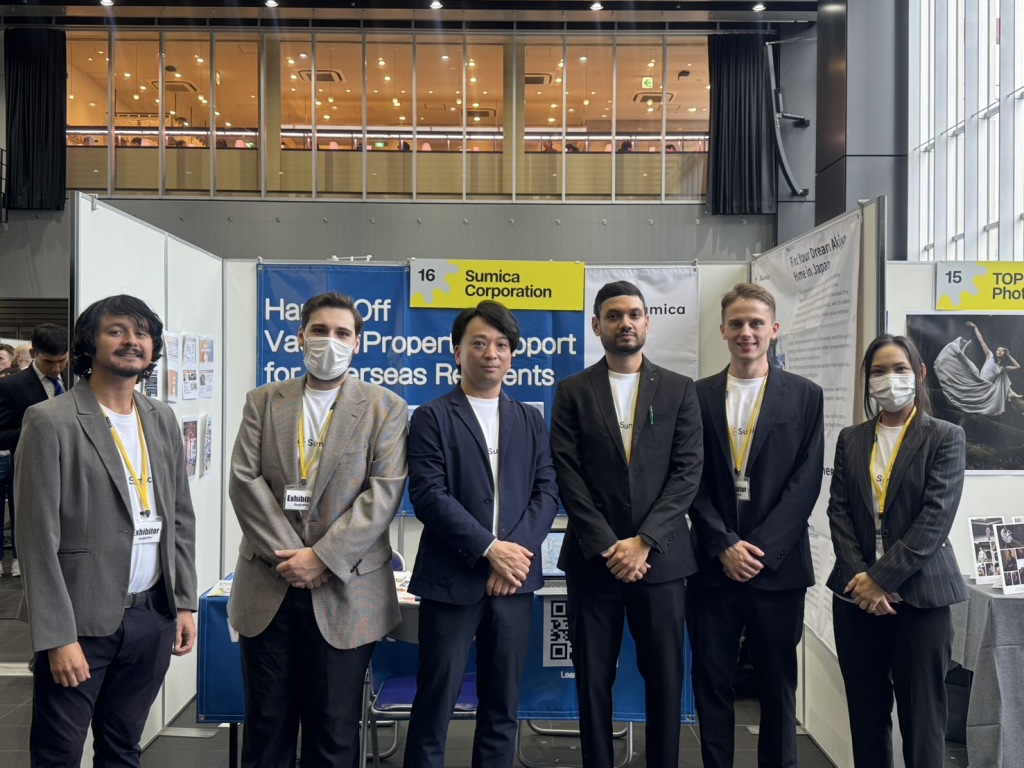
At Sumica, we vet the listings before you ever get on a plane and we handle the local bureaucracy in their own dialect. We make sure those mandatory residential reports are filed correctly so your investment is not flagged by the authorities. We focus on regional hubs where the yields are higher and the entry costs are lower. Our goal is to take a risky listing and turn it into a legal and functional asset.
Frequently Asked Questions About the Akiya Bank System
Do I need a visa to buy an akiya in Japan?
No, you can own land and homes without a Japanese visa. However, in 2026, you must report your citizenship and your specific plans for the house to the city office within 20 days of your inquiry. This is a mandatory step for any property found through a municipal bank.
Can I do this entirely from overseas?
Technically the search starts online but between the mandatory on-site viewings and the new 2026 registry updates, you really need a trusted local representative. The paperwork is too technical to handle from a distance and mistakes can lead to the city revoking your registration.
Will the city office help with the contract?
No, they just introduce you to the owner of the property. You still need a licensed realtor to negotiate the price and a judicial scrivener to clear the title and handle the deed. The Akiya Bank is a matchmaker, not a real estate agent.
Taking the First Step Toward Your Japan Akiya Portfolio
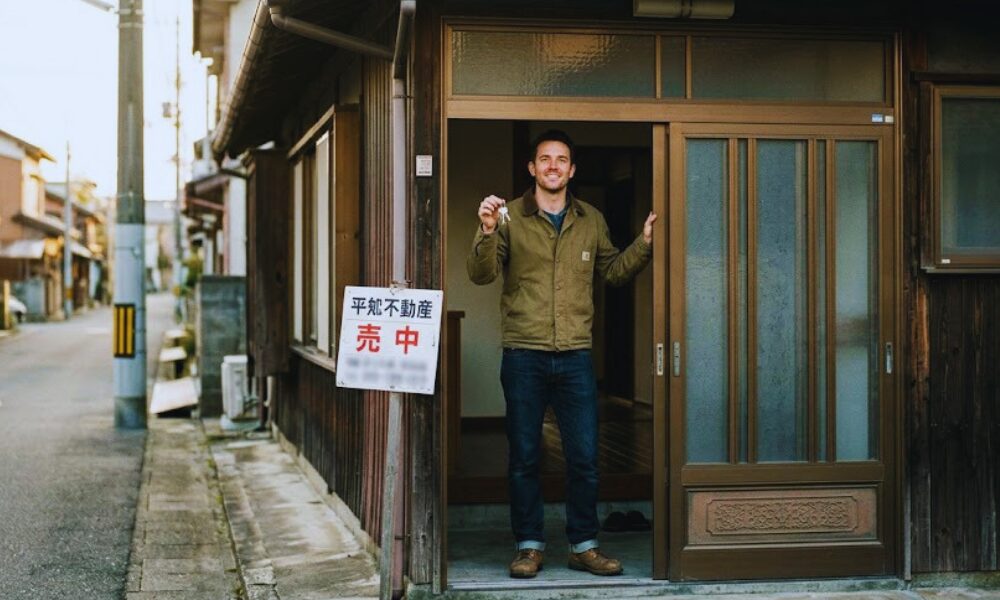
Most people spend weeks browsing Akiya Bank listings and about ten minutes thinking about what happens after they click inquiry. That gap is where deals fall apart. But things like the city office paperwork, the title history, and the contractor availability do not show up on the listing page.
If something has caught your eye, get in touch before you go any further. We will tell you honestly whether it is worth pursuing.
Ready to go beyond the Akiya Bank listings? Contact Sumica now.

![Why You Should Never Choose a Property Based on Gross Yield Alone [Investor Lesson #6]](https://akiya-sumica.com/wp-content/uploads/2026/10/3-2-300x180.jpg)
![Why Good Japanese Properties Sell Within Days [Investor Lesson #1]](https://akiya-sumica.com/wp-content/uploads/2026/09/2-1-300x180.jpg)