There is something undeniably romantic about getting an akiya. The dream is tempting: buy a forgotten countryside home, do the work yourself, and convert the space into a beautiful, livable abode. You might even see it as a smart investment for a long-term rental. But unless you are looking to just burn money, a managed akiya is your best choice. Let us convince you why.
The Challenges of Personal Management
Mandatory Land Registration Laws
For a long time, the Japanese government didn’t care about the millions of empty homes in the countryside. That era of looking the other way ended with recent mandatory land registration laws, climaxing with the April 2026 updates. If you buy a house that hasn’t been looked after, you are walking into a trap. The Ministry of Justice now tracks every square meter of land with serious detail. The days of owning a house in the shadows are over. Under the 2024 inheritance registration laws, owners must register title changes within three years or face fines up to 100,000 yen. The 2026 rules add to this burden by mandating the registration of any address changes within two years and requiring foreign buyers to disclose their nationality during property transfers.
The real danger is the legal weight on your shoulders as the owner. Before, foreign buyers could let a house rot while the local town couldn’t find anyone to blame. Now, the government can take your land or force you to pay for a cleanup. When you buy a cheap akiya without help, you become a target for tax offices and inspectors. These officials want the titles clear and the buildings fixed. If you cannot prove you are taking care of the asset, you will be stuck with legal fees that cost far more than the house.
Labor Scarcity and the End of the DIY Renovation
The idea of a foreigner spending summers fixing up old wood beams is a story that doesn’t work in the Japanese job market. Japan has a massive shortage of licensed builders and contractors. This happened because of an aging population and the 2024 labor rules that placed strict caps on how much overtime construction crews can work. Since then, the cost to fix traditional homes has spiked. Even if you have the cash, the best builders are busy until 2028. They want big government jobs, not small house repairs.
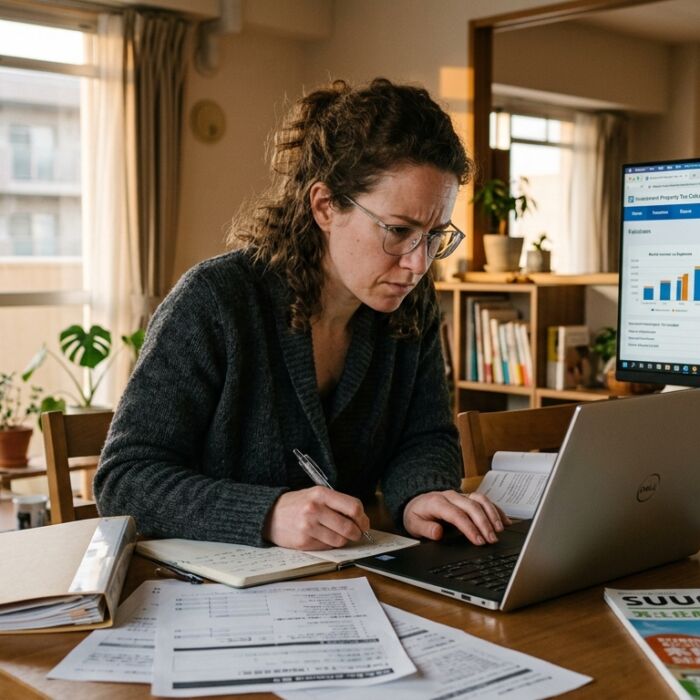
If you try to do the work yourself, you will hit a wall of building codes and supply problems. In fact, large hardware stores often won’t sell to you if you don’t have a local business license. You can’t just buy the special parts needed to make an akiya safe for earthquakes. Also, without a contract from a licensed pro, you won’t get permits for pipes or electricity. An unmanaged house is just a place where your money stays locked up in a shell you aren’t legally allowed to live in. If you don’t have a team with local friends in the trades, your house will just rot while you pay taxes on it. Are you really willing to take that risk?
Tax Traps: The Vacant Houses Special Measures Act
The math of owning an akiya changed because of how the government now taxes messy houses. For years, people kept old houses standing because it gave them a huge discount on property taxes. This cut the bill to one-sixth of what it should be. Recent revisions to the Vacant Houses Special Measures Act took away this trick for homes that are in bad shape. If your house is labeled as poorly managed, that tax break vanishes. You will see your tax bill jump six times higher in a single day.
Local offices are now using drones to find houses with long grass, broken windows, or bad roofs. Once they flag you, you have to prove the house is being taken care of and is safe to live in. This is why professional help is a must. Without a history of maintenance and trash removal, you have no way to fight the higher tax. The government wants to force you to either fix the place or pay so much that you have to sell. For a solo buyer, this means the cost of a cheap house can jump from a few hundred bucks to several thousand, killing your profits.
The Advantages of a Managed Akiya

Sumica’s De-Risking Protocol
The Sumica model knows that the most expensive part of a house is the mess left by the old owners. We don’t just show you houses. We use a vetting process that clears out the risks before you buy. This starts with the kyoukai, or the boundary check. Many old houses have borders that were set with a handshake decades ago. In 2026, a handshake is worth nothing. We make sure every property has a signed paper from the neighbors that proves exactly where your land ends. Without this, you don’t own something you can sell later.
We also look closely at who actually owns the deed. Many abandoned homes are stuck because dozens of relatives might have a claim to it. We track down these heirs and get a clean title. We also check the structure to see if it is even worth saving. We are blunt with our clients: if a house has bad termites or a broken foundation, We tell you to walk away. Our plan ensures you get real land that fits Japanese law. We also keep an eye on new rules for foreign owners so you stay on the right side of the law.
Structural Due Diligence: More Than Just Good Looks
A house in Japan has to survive earthquakes and typhoons. The rules for housing are much tougher than they used to be. Any house that wants to keep its value must meet seismic standards called taishin. Most old akiya were built under old codes and need a lot of work to be safe or covered by insurance. We make sure homes can meet high quality standards by checking the foundation and the wood pillars. This is the only way to make sure the house doesn’t fall apart in a few years.
Keeping the house warm is another big issue. Old Japanese houses are freezing in the winter and hot in the summer. New rules and buyers now want better insulation and good windows. If you buy a managed house, these checks are already done. We look at the guts of the house: the wires, the pipes, and the vents that stop rot. A house might look cool in a photo, but if the foundation is sinking, it will cost you tens of thousands to fix. We treat this as a must-do step because a house that doesn’t meet code is just a pile of wood waiting to be torn down.
Liquidity and the Exit Strategy: Why Management is Your Insurance
The biggest trap is buying a house without a plan to sell it. If you buy a house and let it sit, no Japanese buyer will ever touch it. People here are very careful about risk. When a Japanese family looks for a home, they want to see every repair record and tax paper. If you cannot show a history of how you took care of the house, the value drops to zero. You will be stuck with a house that nobody wants to buy.
Using a portfolio partner like Sumica acts as your insurance. By keeping a record of every fix, we make the house easy to sell later. The government is making it easier to give land back to the state, but it costs a lot of money to do that. Your goal is to own something people actually want. Good management turns a junk building into a real asset. It makes sure that when you are done, you have a product to sell instead of a legal headache you have to pay someone to take.
Frequently Asked Questions About Japan Properties
- Can I still buy a house for one dollar in Japan? While you might see houses listed for almost nothing, those prices are usually bait for properties that have huge legal debts or massive repair bills. By the time you fix the title and clear the trash, that free house often costs more than a healthy home.
- What is the penalty for not registering my land? Under the 2024 laws, failing to register inherited land within three years carries a fine of up to 100,000 yen. The 2026 updates also add a 50,000 yen fine if you fail to register a change of address within two years. The government is getting very serious about tracking who owns every inch of the country.
- Why is it so hard to find builders for renovations? Japan has an aging population and new 2024 laws that limit how many hours contractors can work. Most local crews are booked years in advance for government projects, leaving solo foreign buyers at the back of a very long line for small repairs.
Taking the First Step Toward Your Japan Properties Portfolio
Success in this market isn’t about finding the cheapest listing on a website. It is about building a team that understands the local laws and has the professional connections to get the hard work done efficiently. If you want to own a piece of Japan without the legal nightmares, you need a partner who sees the risks before they become your expensive problem.
A managed property strategy bridges the gap between a neglected structure and a compliant, profitable asset. It protects you from sudden tax hikes, ensures your property meets strict new seismic and registration codes, and secures a viable exit strategy for the future. Ready to go beyond standard Japan properties listings and build a portfolio that actually holds its value?