For first-time real estate investors, one of the biggest concerns is often what happens after purchasing a property. A tenanted property in Japan can ease much of that worry, since it comes with a tenant already in place and rental income starting from day one.
You may be wondering:
- How long will it take to find a tenant?
- Will the property need renovating before it can be rented out?
- How many months will you need to cover expenses before rental income starts coming in?
- Can the property be managed remotely if you live outside Japan?
For investors who want to start receiving rental income without much initial legwork, this type of property can be an attractive option.
However, buying a property simply because it already has a tenant is not enough on its own. There are several important points worth reviewing carefully before making a purchase.
This article explains what a tenanted property is, why it can suit first-time real estate investors, and what to check before buying one in Japan.
What Is a Tenanted Property in Japan?
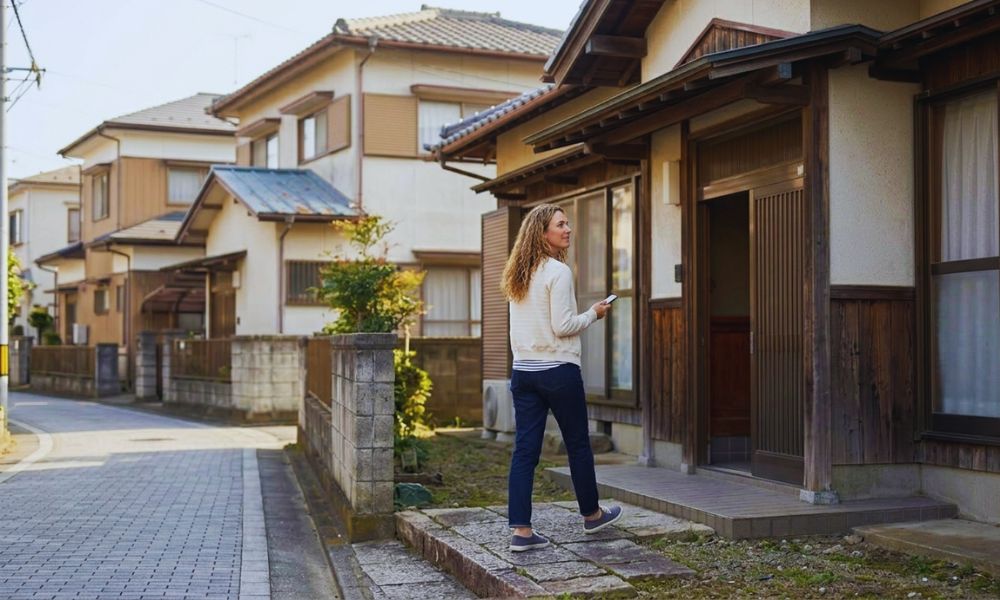
A tenanted property is an investment property sold while a tenant is already living in it. In Japan, this type of transaction is commonly called an “owner-change property.”
When the property is sold, ownership transfers from the current owner to the buyer, though the existing lease agreement generally remains in effect. The buyer becomes the new landlord and takes on the rights and responsibilities of the previous owner. The current tenant continues living in the property and starts paying rent to the new owner.
A tenanted property is therefore sold specifically as an income-producing investment, rather than as a home for a buyer who wants to move in straight after purchase.
Why Tenanted Properties Can Suit First-Time Investors
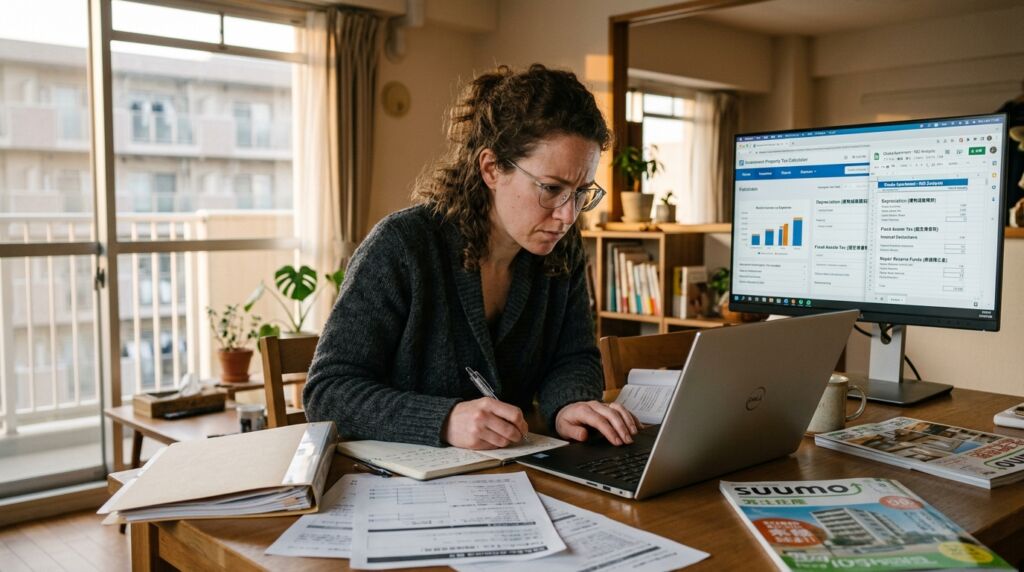
The main advantage of a tenanted property is that a tenant is already in place. When purchasing a vacant investment property, the buyer may first need to:
- Renovate or repair the interior
- Prepare the property for rental
- Advertise the property
- Conduct viewings
- Screen prospective tenants
- Sign a new lease agreement
Until a tenant is found, the owner receives no rental income, while still covering property taxes, insurance, maintenance and other ownership costs.
With a tenanted property, the buyer can generally start receiving rental income right after the ownership transfer, without first completing renovations or finding a new tenant.
This can make a tenanted property particularly appealing to investors who:
- Want to start receiving rental income as soon as possible
- Want less work involved in finding a tenant
- Want to avoid an initial vacancy period
- Are investing in Japanese real estate for the first time
- Live outside Japan and want a relatively straightforward investment
- Prefer to buy an asset that is already generating income
That said, an occupied property is not automatically a safe investment. The existing lease, tenant history, property condition and management arrangements all need careful review. In addition, following are some important notes to understand when considering purchasing a tenanted property in Japan.
You May Not Be Able to Inspect the Interior

Because the tenant is currently living in the property, a prospective buyer usually cannot inspect the interior before purchasing it. This is one of the main differences between buying a vacant property and buying a tenanted one.
The buyer may be able to view the exterior, the land and the surrounding neighbourhood, but the tenant’s privacy has to be respected, so the decision often has to be made without seeing the current interior condition.
To reduce this risk, the buyer should request and review as much information as possible, including:
- Interior photographs taken before the current tenant moved in
- Photographs used for the previous rental listing
- Renovation and repair records
- Equipment replacement records
- Property management reports
- Information about any known defects or maintenance issues
Someone currently living in the property doesn’t necessarily mean the interior is in good condition. In some cases, the interior may already be significantly worn or outdated, and once the current tenant moves out, the new owner may discover that extensive renovation work is needed before the property can be rented again.
For this reason, investors should weigh up not only the current rental income but also the potential cost of future repairs and renovation.
Review the Existing Lease Agreement Carefully

When purchasing a tenanted property, the buyer generally takes over the existing lease agreement, so it’s worth reviewing thoroughly before the purchase. Important items to confirm include:
- Current monthly rent
- Maintenance or common-area fees
- Lease commencement date
- Lease term
- Renewal conditions
- Security deposit
- Special conditions
- Pet-related terms
- Repair responsibilities
- Move-out and restoration conditions
It’s also worth confirming if the agreement is an ordinary lease or a fixed-term lease. The buyer shouldn’t assume the lease can be changed immediately after purchase, as the existing contractual conditions generally continue to apply.
The current rent should also be compared with rent for similar properties in the surrounding area. If the current rent sits unusually high, the property may look like it offers an attractive yield, but once the current tenant moves out, finding another tenant willing to pay the same amount may not be possible.
On the other hand, if the existing rent sits significantly below market level, the buyer may not be able to raise it immediately simply because ownership has changed.
Investors should therefore look at both the current rent and the realistic market rent achievable once the existing tenant moves out.
Check for a Rent Guarantee Company

In Japan, many residential tenants use a rent guarantee company. A rent guarantee company may compensate the landlord, subject to its contractual terms, if the tenant fails to pay rent. It may also assist with payment reminders, collection procedures and, depending on the agreement, certain legal or move-out procedures.
For first-time or overseas investors, this protection can matter a great deal. Without a rent guarantee company, the owner or property manager may need to contact the tenant directly and handle payment reminders if rent falls overdue. Managing delinquent rent can be time-consuming and stressful, especially for an owner who lives outside Japan or doesn’t speak Japanese.
Before purchasing the property, the buyer should confirm:
- If the tenant is enrolled with a rent guarantee company
- If the guarantee agreement can continue after the ownership transfer
- What portion of the rent it covers
- Who pays the guarantee renewal fees
- How overdue rent is handled
- If legal and eviction-related assistance is included
A guarantee arrangement shouldn’t be assumed to transfer automatically to the new owner. Its continuation and coverage should be verified before purchase.
Check the Tenant's Payment History

Having a tenant in place doesn’t necessarily mean the rent is being paid properly. Before purchasing a tenanted property, it’s worth confirming if the tenant has a history of late payments or unpaid rent.
Where possible, the buyer should review documents such as rent payment records, remittance statements from the property management company and records of guarantee company payments. The following points are worth checking:
- If rent has ever fallen overdue
- How frequently payments have been late
- If any rent is currently unpaid
- If the property manager has previously issued payment reminders
- If a guarantee company has made payments on behalf of the tenant
A property may look like it’s producing steady rental income while the tenant is actually paying late or relying repeatedly on the guarantee company. The quality of the tenant and the stability of the rent payments matter just as much as the fact that the property is occupied.
Estimate Future Renovation Costs
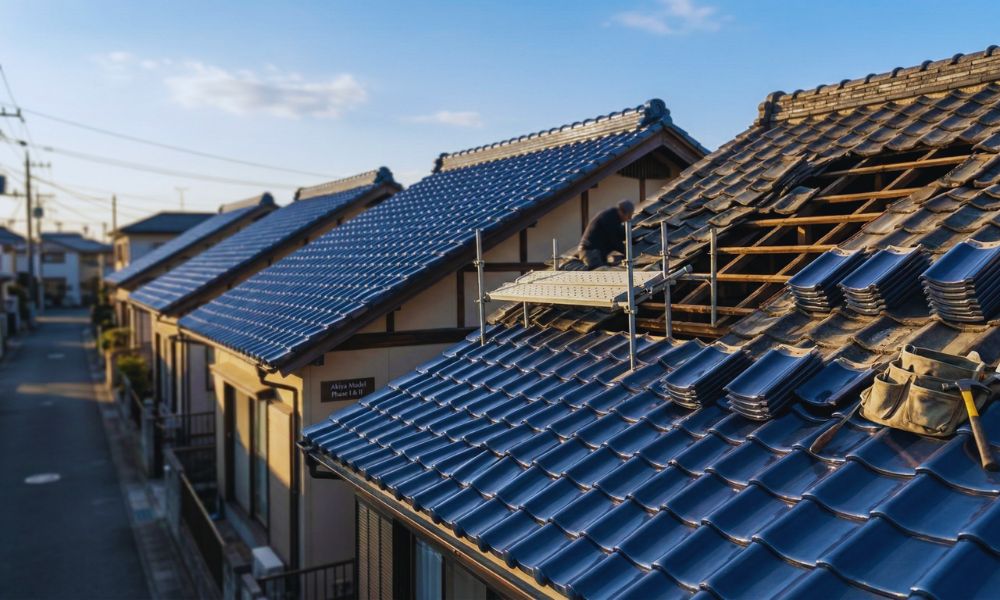
One advantage of buying a tenanted property is that major renovation work may not be needed immediately after purchase. That doesn’t mean renovation costs will never arise, though.
When the current tenant eventually moves out, the owner may need to pay for:
- Wallpaper replacement
- Flooring replacement
- Cleaning
- Air-conditioner replacement
- Water heater replacement
- Kitchen or bathroom repairs
- Removal of abandoned belongings
- Repairs to deteriorated parts of the building
- Other work needed before finding the next tenant
If the tenant has lived in the property for many years, or if the interior condition can’t be confirmed before purchase, the cost after move-out may run higher than expected. A responsible investment analysis should include a reserve for future repairs and renovation, rather than focusing only on the immediate rental yield.
Confirm the Property Management Arrangements

Another important question is who manages the property after the purchase. Property management may include:
- Collecting rent
- Communicating with the tenant
- Responding to maintenance requests
- Coordinating repairs
- Managing lease renewals
- Handling complaints
- Assisting with overdue payments
- Preparing for the tenant’s eventual move-out
For an overseas investor, purchasing a tenanted property without a reliable local management company in place can create real practical difficulties. Before purchasing, the buyer should confirm if the existing management agreement will continue, if a new agreement is required, and what services and fees are included.
The Existing Tenant Is Only One Part of the Investment
A tenanted property shouldn’t be judged solely on the fact that it already has a tenant. A proper review should also cover:
- The condition of the building
- The likely condition of the interior
- The existing lease terms
- The tenant’s payment history
- Rent guarantee coverage
- Local market rent
- Future vacancy risk
- Future renovation costs
- Property management arrangements
- The property’s long-term resale potential
A property with an existing tenant may offer immediate rental income, but it can also carry hidden risks if the documentation and background aren’t carefully reviewed.
Why Professional Due Diligence Matters
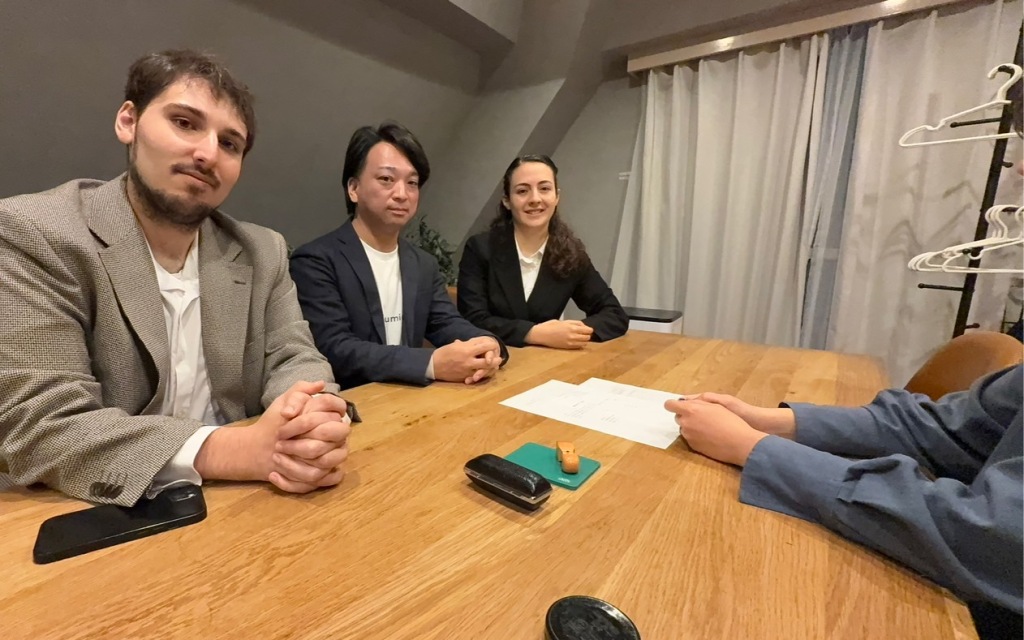
For first-time real estate investors, evaluating all of these factors independently can be difficult, particularly for overseas buyers who can’t easily inspect the property, communicate with the tenant or management company, or review Japanese-language lease documents.
At Sumica, we don’t recommend an owner-change property simply because it’s occupied. Before introducing a property, we review the available information concerning:
- The existing lease agreement
- Current rent and surrounding market rent
- The tenant’s payment status
- Rent guarantee company coverage
- Property management arrangements
- The building’s condition
- Available interior photographs and renovation history
- Potential future repair costs
- Expected rental income
- Long-term investment and exit potential
Based on this review, we select and introduce properties we believe are suitable as investments.
Ready to Invest in a Tenanted Property in Japan?

Tenanted properties can be an excellent option for first-time real estate investors who want to start receiving rental income without first handling renovations and tenant recruitment. They can also suit overseas investors well who want to buy an income-producing property in Japan and manage it remotely.
However, having a tenant in place doesn’t automatically make a property a good investment. The lease agreement, payment history, rent guarantee coverage, interior condition, future renovation costs and property management structure all need reviewing before purchase.
When these points are properly checked and the property carefully selected, an owner-change property can offer a practical and relatively straightforward way to start investing in Japanese real estate.
Purchasing a carefully reviewed tenanted property through Sumica can therefore be a solid option for first-time real estate investors seeking reliable rental income and professional support in Japan.
Ready to invest in your first tenanted property in Japan? Contact Sumica now.