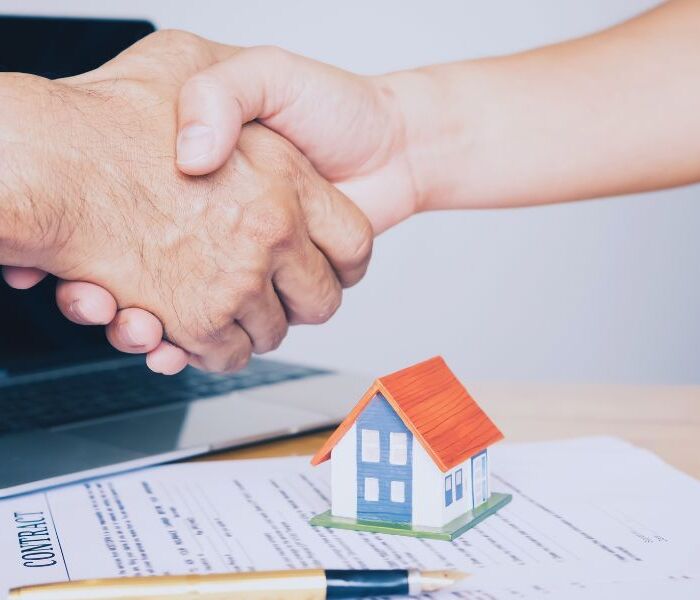
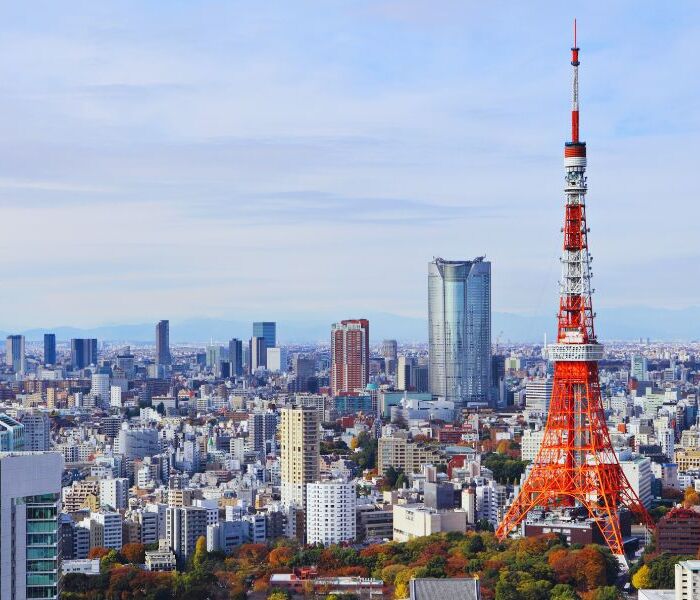
Investing in Japanese property means dealing with tricky tax rules. Investors might see a 3% to 6% profit on paper, but they also have to deal with new land registration rules, a 20.42% tax for people living outside Japan, and higher costs to pay repair workers. To succeed, you need to calculate your real profit after taxes and property value drops.
Don’t just look at the surface numbers. If you see websites promising 10% or 12% returns on an dilapidated wooden house in a small town far from the city center, it’s probably a mathematical fantasy.
The Illusion of High Profits

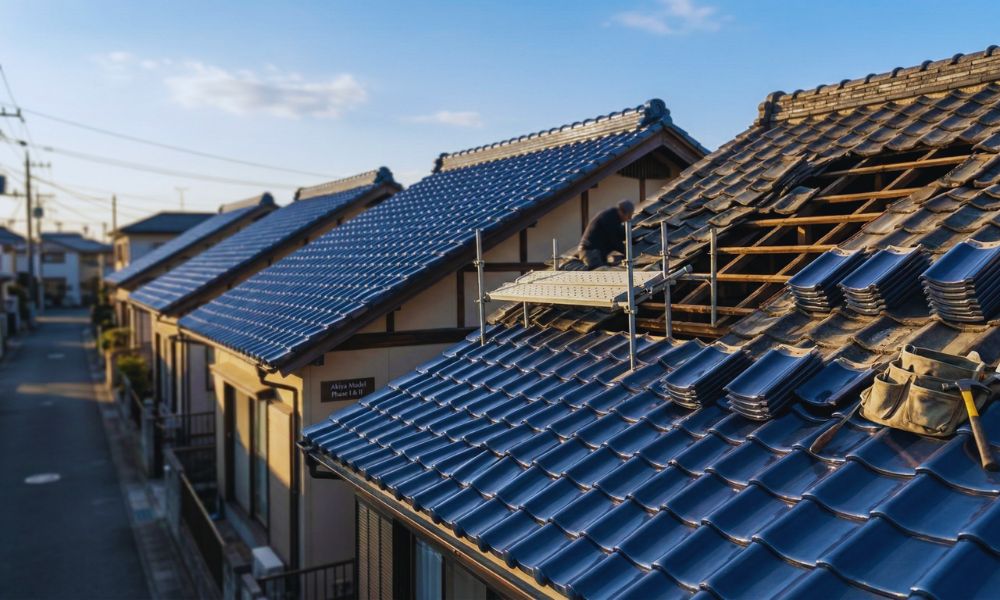
The reality of the current market is that there is a big difference between the money you make and the money you keep. There are not enough construction and repair workers in Japan right now, so costs have gone up a lot, and when you buy a cheap house, you are buying something that will cost money to maintain.
Because of this, property management companies are raising their monthly building fees and repair funds. Foreign investors cannot negotiate these costs. If you ignore the rising cost of repairs, your actual profit might only be around 3%, if you are lucky. Older houses need a lot of maintenance, which can easily cause you to lose money after the first big repair. Also, Japanese renters expect properties to be in excellent condition. You cannot just ignore a broken air conditioner.
Strict New Land Registration Rules
The Japanese government is cracking down on empty land and “ghost owners.” Starting in 2026, new real estate rules are strictly enforced. In the past, some foreign owners would buy a house and never update their address or ownership papers to save money. You can’t do that anymore.
Now, you must legally register your new name and address within a certain time frame. If you don’t, you will face quick financial penalties. For people living overseas, this adds extra paperwork. You will need a local helper or a smart management company to file the papers for you. You will also need official translations of your ID documents stamped by an embassy.
Property Taxes and Empty Houses
Every three years, Japan updates the value of properties to calculate the Fixed Asset Tax and City Planning Tax. The next big nationwide update for these values will actually happen in 2027.
However, the government has already changed the rules for old, abandoned properties. In the past, if you owned land with a house on it, you got a big tax break—your property tax was cut by up to one-sixth. Now, if your empty house is officially labeled as dangerous or neglected, you lose that tax break right away. This means your tax bill will suddenly multiply by six. The government is doing this to force owners to either fix up their old houses or tear them down. In big cities, land values are going up, so your taxes will likely increase anyway. You must plan for these taxes as a permanent cost.
The 20.42% Tax for Overseas Owners
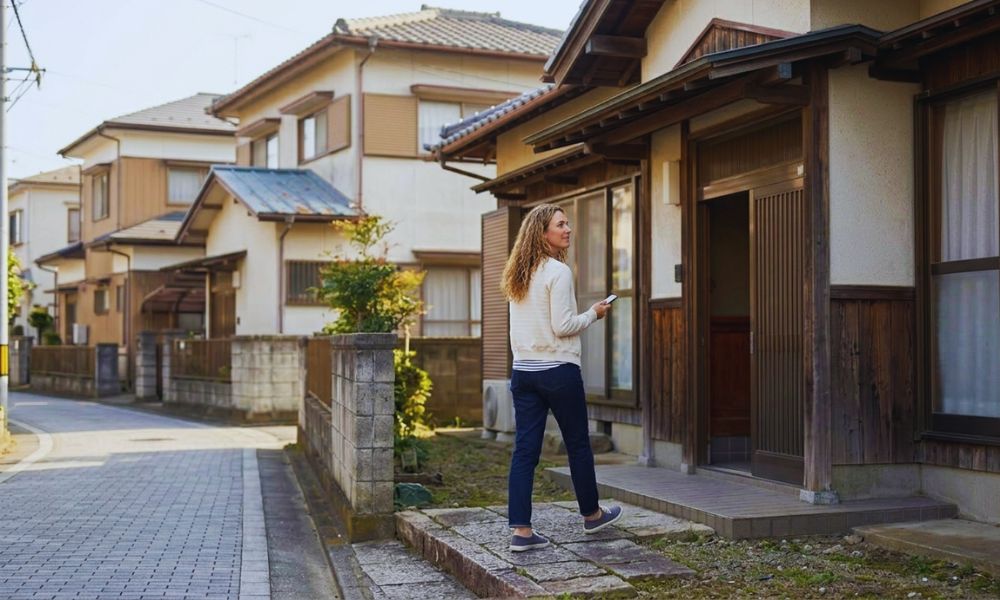
This is where many foreign buyers get shocked. If you don’t live in Japan and you rent your property to a business, the renter is legally required to take 20.42% out of your rent and give it straight to the tax office. This is not 20% of your profit; it is 20% of your total rent money.
For example, if your rent is 100,000 yen, you will only get 79,580 yen in your bank account. This can make it hard to pay your mortgage. But don’t fret. You can usually get this money back later if you file a tax return in Japan between February and March of the next year. To do this, you must hire a local “Tax Representative” who lives in Japan. You cannot do it yourself from another country. If a real estate agent promises you high profits but doesn’t explain this tax, they are not telling the whole truth.
Using Depreciation to Save on Taxes
Depreciation is a tax rule that lets you deduct the cost of a building over time as it gets older. In Japan, the government says a concrete building lasts 47 years, and a wooden house lasts 22 years. Once a building is older than this, its “book value” is zero.
But for an investor, this is a great chance to save money quickly. If you buy a wooden house older than 22 years, you can write off its remaining value on your taxes in just four years. This lowers your taxable income, which can make your rental profits tax-free for a few years. Also, new rules in 2026 give better tax breaks for eco-friendly buildings. If you spend money on good insulation or heating, you can write off those costs faster. Remember that land does not lose value, so you can only use this trick on the building itself. Make sure your contract clearly splits the price of the land and the building.
Sumica’s Plan for Better Profits
Winning in the Japanese market means more than just finding a cheap house. You need a good plan to handle the rules. At Sumica, we avoid high repair costs by working with a trusted group of contractors who give us fair prices because we give them a lot of work.
The final truth about Japan is that buying is easy, but selling can be hard if you picked the wrong asset. The market is splitting in two. In high-demand cities like Tokyo or Osaka, you can sell a property in weeks. In remote areas where many akiya are located, the market is much thinner. To keep their investment sellable, we help clients maintain it to a standard that a Japanese bank would lend against. If a bank would not approve a mortgage on your property, your pool of buyers shrinks to cash-only investors who will demand a big discount.
We also make sure you have records of every yen you spent on the purchase and any improvements. Costs like the stamp tax on contracts, the registration license tax, and renovation spending can all be deducted from your taxable gain. If you lose your receipts or fail to track these costs, the tax office will assume your original cost was only 5% of the sale price, which will result in a massive and completely avoidable tax bill.
Frequently Asked Questions About Japan Property Investment
Can a non-resident own a Japanese investment property?
Yes. Japan has no legal restrictions on foreigners buying land or buildings, but you must follow the registration and tax representative rules to stay legal.
What is the 20.42% withholding tax?
It is a tax taken from your gross rent by the tenant when the tenant is a company. You usually get most of it back after filing a tax return the following year, but it puts pressure on your monthly cash flow.
Taking the First Step Toward Your Japan Properties Portfolio
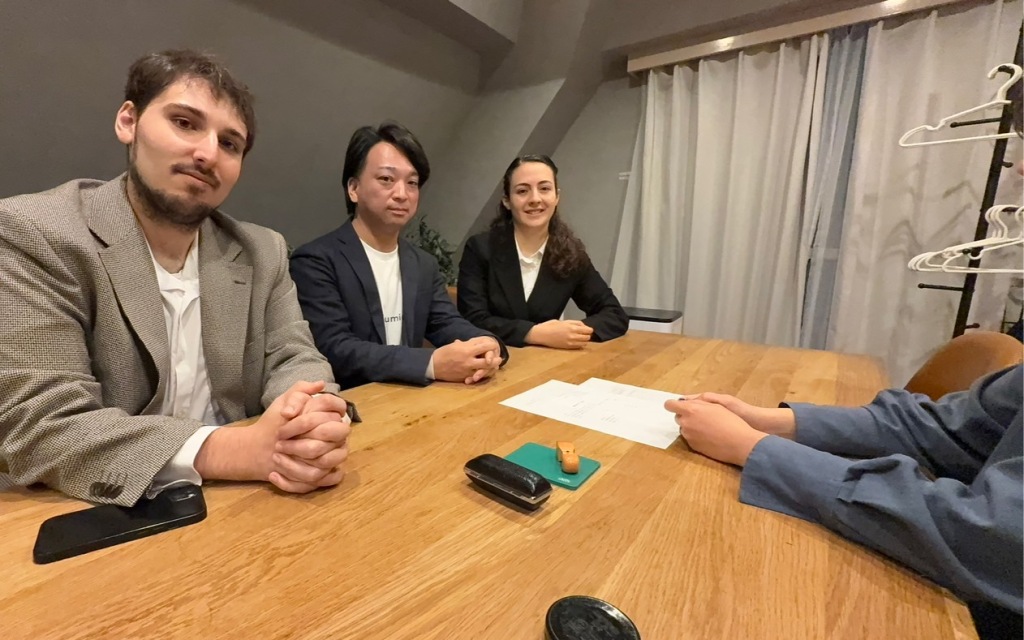
Success in this market isn’t just about finding the cheapest house online. It is about building a team that truly understands local laws and has the right connections to get hard work done quickly. If you want to own real estate in Japan without dealing with legal nightmares, you need a partner who spots risks before they become expensive problems.
A good property management plan turns a neglected, broken-down house into a legal, money-making asset. It protects you from sudden tax increases, ensures your property meets strict safety and registration rules, and helps you sell it easily later on. Ready to look past standard online listings and build a property portfolio that actually keeps its value?