Can foreigners buy a house in Tokyo, Japan? Yes, it is completely legal, and the best part is that you don’t need citizenship or residency to do it. The process runs through a signed contract, a Judicial Scrivener who handles registration, and full ownership rights, including the land. Sumica helps international buyers through financing, taxes, and property management from the first offer to the day they get the keys.
Now that we’ve got that out of the way, a better question you might have to ask is if you SHOULD. Does it still make sense for foreigners to buy a house in Tokyo?
Why Tokyo Still Makes Sense for Foreign Buyers in 2026
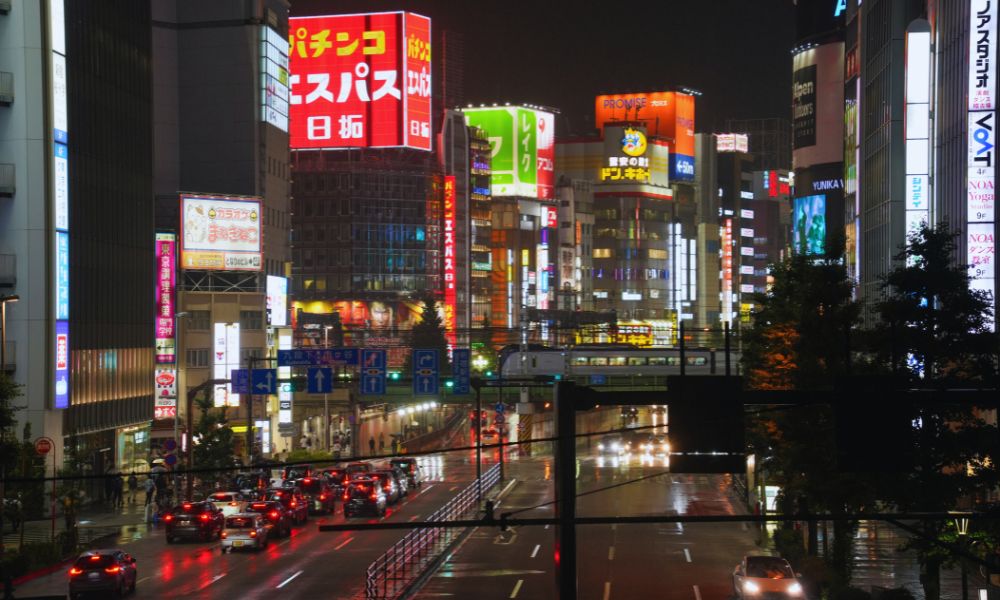
Ask a dozen investors why they’re looking at Tokyo right now and you’ll hear two words come up over and over: the yen and the yield. The currency has spent the last few years trading in a range that makes a Tokyo house look cheap to anyone earning dollars, euros, or pounds, and that gap hasn’t closed.
Rental yields in the central wards have also held up better than in a lot of other big cities, where home prices have grown a lot faster than rents. In Tokyo, prices went up, but they went up for real reasons tied to how many people live there and how many people actually want to rent there. If you want a closer look at what’s actually shaping market conditions heading into 2026, it’s worth reading our guide before you start budgeting.
Choosing Where to Buy a House in Tokyo, Japan
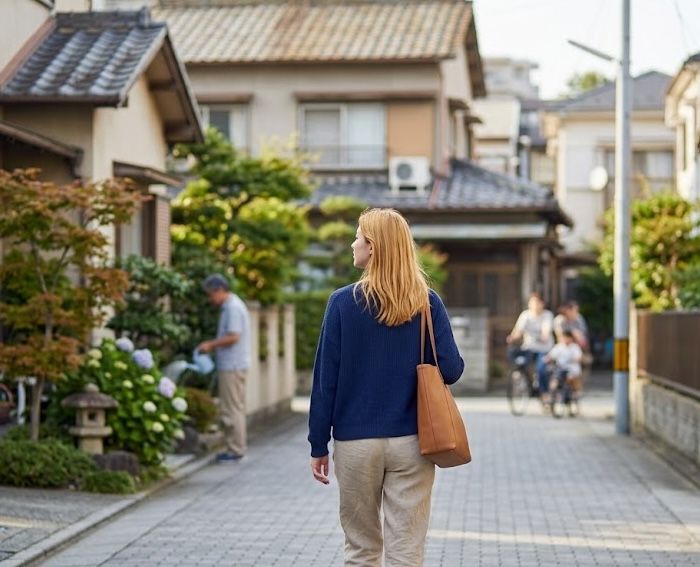
If you’re really keen on buying property in Tokyo, here’s something you should know: Buying a house in one Tokyo ward can be a different experience from buying in another. Meguro and Shibuya, for example, carry a strong expat presence and steady resale demand, so if resale ease matters to you down the line, that’s usually where the conversation starts.
Koto and parts of Sumida have newer development and waterfront projects still catching up in price to the central wards, which appeals to buyers thinking five years ahead rather than tomorrow. Nerima and Suginami sit quieter and more residential, and they tend to pull in buyers who actually want to live in the house rather than just collect rent on it.
This is why we walk clients through this in person, or over a video call if they can’t be here, because matching a location to what you actually want out of the property is half the job. And sometimes that conversation can land somewhere unexpected. If necessary, we would tell clients that Tokyo may not be the right fit for what they’re actually trying to do, because we’d rather say that upfront than watch someone buy the wrong house.
What You'll Actually Pay to Buy a House in Tokyo
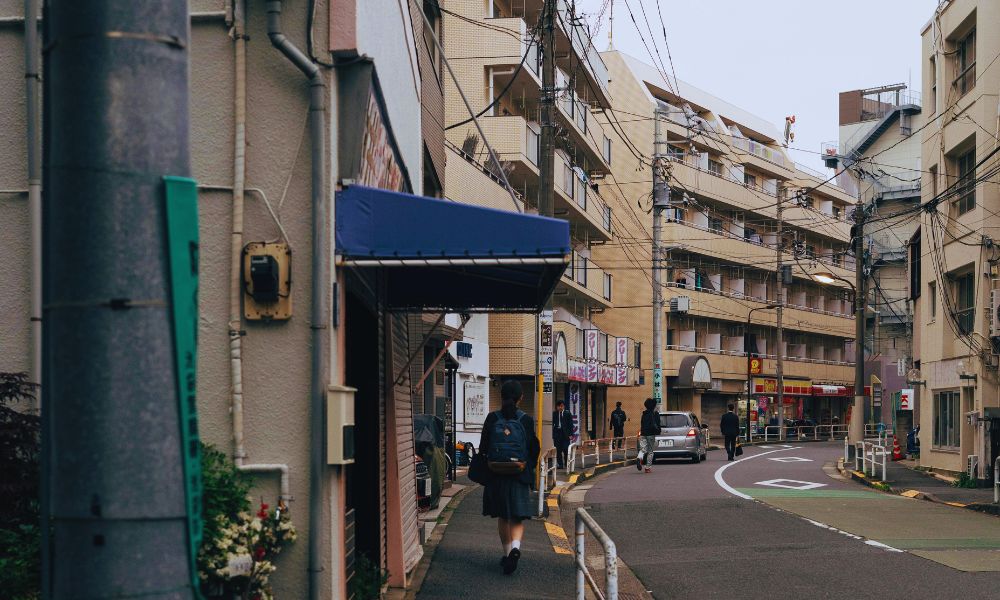
Once a ward starts to feel right, the price tag usually explains itself. A house in Meguro or Setagaya can run double what the same square footage costs out in Nerima or Adachi, and locals will tell you it comes down to train lines and school catchment areas just as much as prestige. We always tell clients to walk a street at rush hour before falling for a listing photo, because a quiet-looking house on a busy road reads very differently at 8am than it does in a photograph taken on a Sunday.
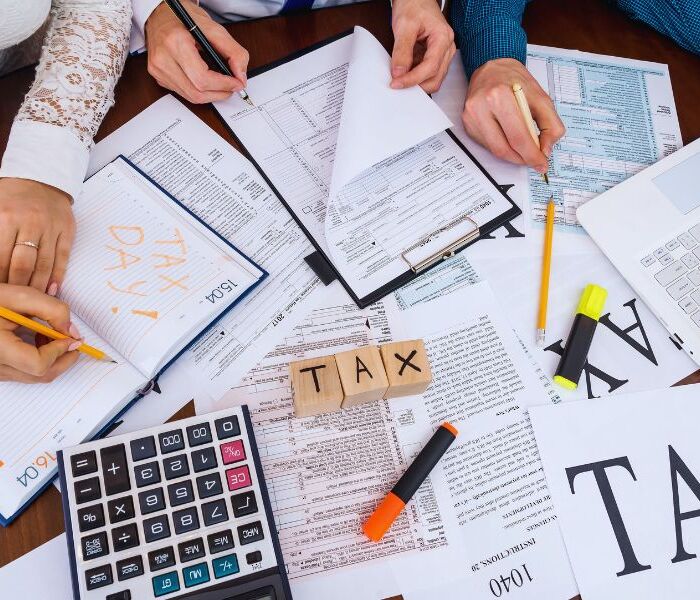
Past the sticker price, set aside another six to eight percent for acquisition costs, covering the acquisition tax, registration and license tax, the Judicial Scrivener’s fee, and stamp duty on the contract. After you own the place, expect a yearly property tax bill based on an assessed value that usually sits below what you actually paid, plus a management fee if the house is part of a managed building. None of this is hidden. It just rarely gets explained clearly before someone signs, which is exactly the gap we try to close before a client puts down a deposit.
Financing a Purchase as a Non-Resident
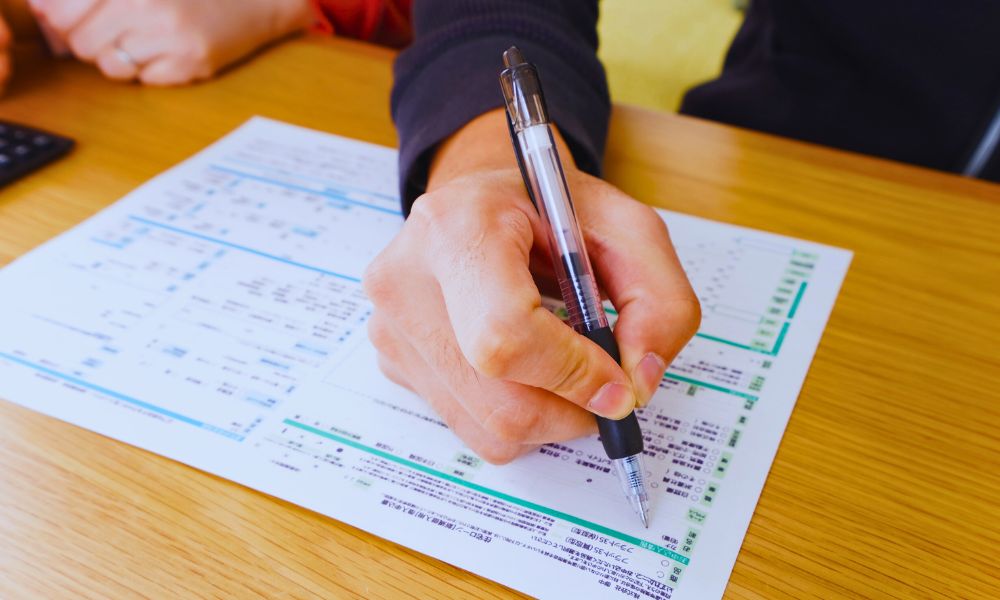
This is usually the question that decides everything else. Mortgage access for non-residents has gotten better over the years, but it hasn’t become simple, and we’d be doing you a disservice if we pretended otherwise. A handful of Japanese banks and international lenders with a Tokyo office will consider a non-resident applicant, though expect a bigger down payment, a shorter loan term, and closer scrutiny of your income paperwork than a resident would face.
Because of that, a lot of our clients end up paying cash, and it’s worth putting that number next to what they’re used to back home. We’ve had clients from London and San Francisco brace themselves for a Tokyo price tag, then realize it barely covers a one-bedroom flat in their own city. That reaction never gets old for us.
Paying cash here often means writing a smaller check than people expect, not a bigger one, and once that clicks, the whole conversation about affordability changes.
How to Buy a House in Tokyo, Japan: Step by Step
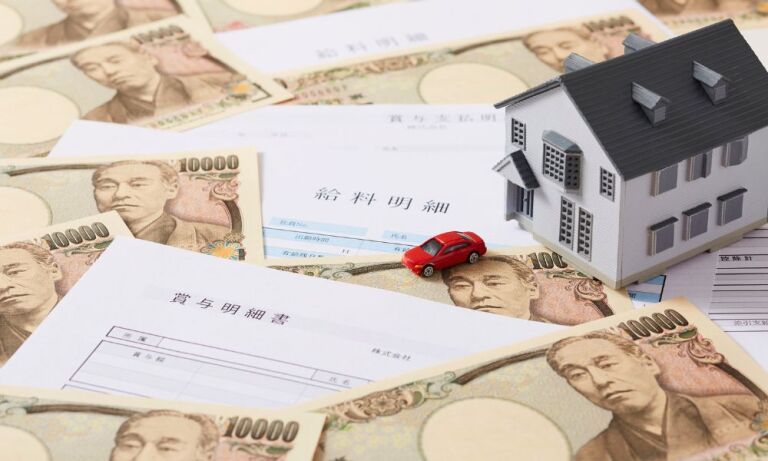
The process usually starts with a property search, usually through a licensed agent who can get you into listings that never make it to public sites. Once something looks right, you submit a purchase application, a non-binding statement that opens up price negotiation. Agreement on terms leads to signing the purchase contract and handing over a deposit, usually around ten percent. From there, the legal registration work happens behind the scenes, and final settlement follows four to six weeks later, when the remaining balance is paid and the transfer is filed.
Now, here’s the part that surprises people: you don’t have to be in Japan for any of it!
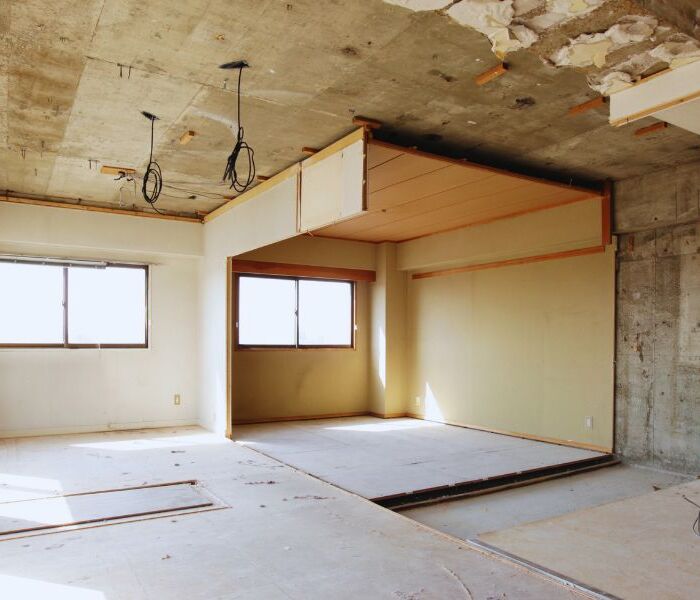
A good number of our clients have handled the whole thing remotely, from purchase through renovation through rent-ready, without ever setting foot inside the house. That works because we’re the ones handling the parts that actually require a physical presence. We hold the legal authority to sign paperwork on your behalf and sit across the table from agents when a stamp or signature has to happen in person that day, so you’re never scrambling to find someone last minute or hoping a stranger’s translation is accurate.
Once you own the place, we can stay on as your property manager, so we’re the ones getting the call at an odd hour when a pipe bursts or a tenant needs something fixed, not you. We also keep your tax filings in order and move your rental income back to wherever you actually bank, since most non-residents can’t just walk into a branch here and open an account. You’re not assembling this team piece by piece on your own. We already are that team, working under one roof instead of three different companies who’ve never talked to each other.
We’ve got a client running a high-yield Chiba rental from her kitchen table across the world, and isn’t that the goal? It’s the whole reason clients come to Sumica instead of trying to piece this together themselves.
Tax Reporting Once You Buy a House in Tokyo, Japan
Rental income earned in Japan gets taxed in Japan, and depending on your home country’s tax treaty, you may owe reporting there too. There’s also a rule that catches people off guard, and it actually got stricter this year. As of April 2026, non-resident property purchases in Japan require reporting to the Bank of Japan within 20 days, and this now covers residential purchases that used to be exempt.
You can report the purchase directly through the Ministry of Finance’s official process, though in practice we usually file it for our clients as part of closing so it doesn’t slip through the cracks. Miss that window and you’re sorting out a form you didn’t know existed while everything else is supposed to be finished.
FAQs About Buying a House in Tokyo
Do I need to be a resident of Japan to buy a house in Tokyo?
No. Foreign ownership of Japanese real estate has no citizenship or residency requirement, and that covers the land the house sits on, not just the building.
Can I really complete the purchase without flying to Japan?
Yes, and it’s actually most of our client base. Property selection, contracts, payment, renovations, and rental management can all happen remotely, with us handling anything that requires a physical presence or a signature in person.
What happens after the sale closes?
As of April 2026, every non-resident buyer has to file a report with the Bank of Japan within twenty days of closing, no matter what the property is used for. We file this for our clients as part of closing so it’s one less thing to track down after the fact.
Can I generate rental income from a house I don’t live in?
Yes. Once renovations wrap up, the property can go into long-term rental or a short-term setup like Airbnb, depending on what the neighborhood actually supports. We help clients figure out which strategy fits the ward and the property before they buy, not after, since that decision affects what you should be looking for in the first place.
Buying a House in Tokyo, Japan with Sumica
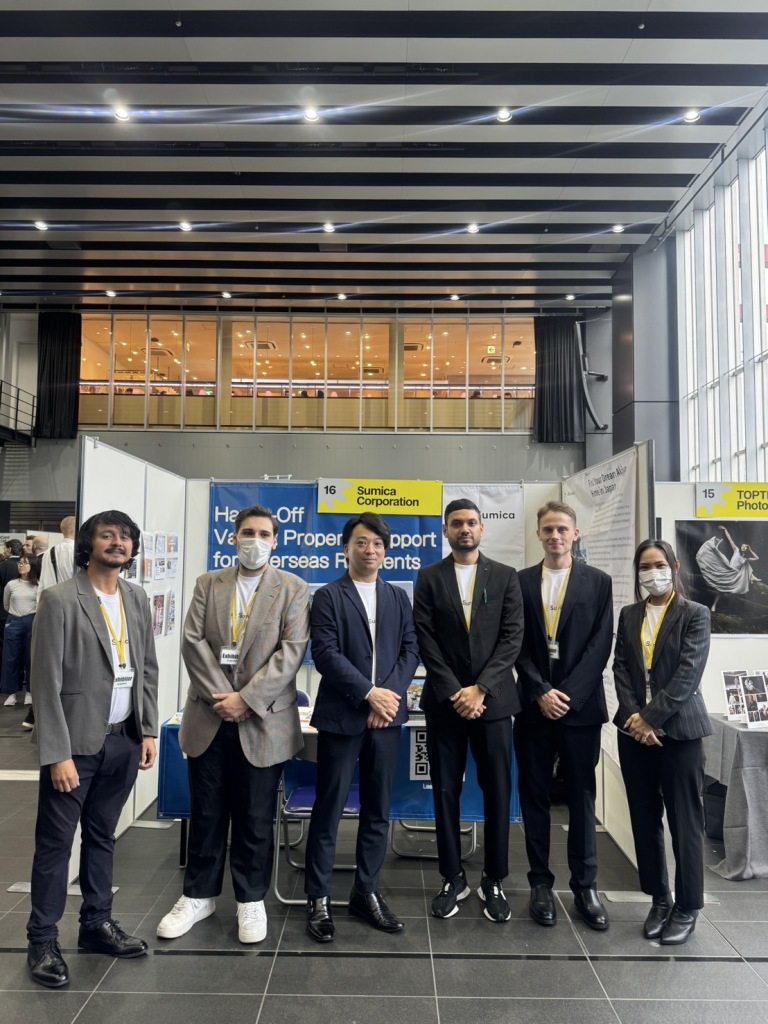
Buying a house in Tokyo comes with more moving parts than most first-time buyers expect, from financing as a non-resident to registration paperwork that runs entirely in Japanese. That’s exactly where we come in. We act as your purchasing proxy, signing documents and sitting across the table from local agents so you’re not the one chasing down a stamp or a signature in person. Once the house is yours, we manage it, and we keep your tax filings straight so your rental income actually makes it back to wherever you bank.
You don’t need to fly to Japan, and you don’t need to become an expert in Japanese property law to buy a house in Tokyo. We’ve got clients who closed on a house and started collecting rent without ever setting foot in the country.
If you’re ready to talk through what your budget actually buys in Tokyo, or you want an honest read on whether it’s the right city for you, contact Sumica now.