Akiya renovation cost typically runs from ¥3 million to ¥15 million (about $20,000 to $100,000 USD). The exact number depends mostly on the property’s age and how much structural work it needs. Wooden akiya built before 1981, for example, often require seismic reinforcement, and costs climb further when the plumbing or electrical systems need full replacement.
If you’re looking at buying and then renovating an akiya in Japan, you should know that the ‘cheap akiya’ headlines don’t tell the full story. A photo of a ¥500,000 farmhouse in Nagano travels fast online. What almost never makes the caption is the ¥8 million renovation that turns that farmhouse into somewhere you can actually live.
We look at hundreds of akiya listings for foreign buyers every year at Sumica, so we see the gap between listing price and real cost play out constantly. That is exactly why we give clients the full number upfront: purchase price plus renovation, together, before they ever put down a deposit. No follow-up quote that suddenly doubles the budget once demolition starts. We’d rather a client walk away from a property at the start than find out six weeks into renovation that the foundation was never sound to begin with.
Our weekly newsletter shares unlisted properties with the full cost breakdown, roof to renovation, for exactly this reason. Be sure to subscribe if you are looking for a property to invest in in Japan, but in the meantime, let’s break down what renovation actually costs and how to budget for the real project instead of the headline price.
What Actually Drives Akiya Renovation Cost in Japan
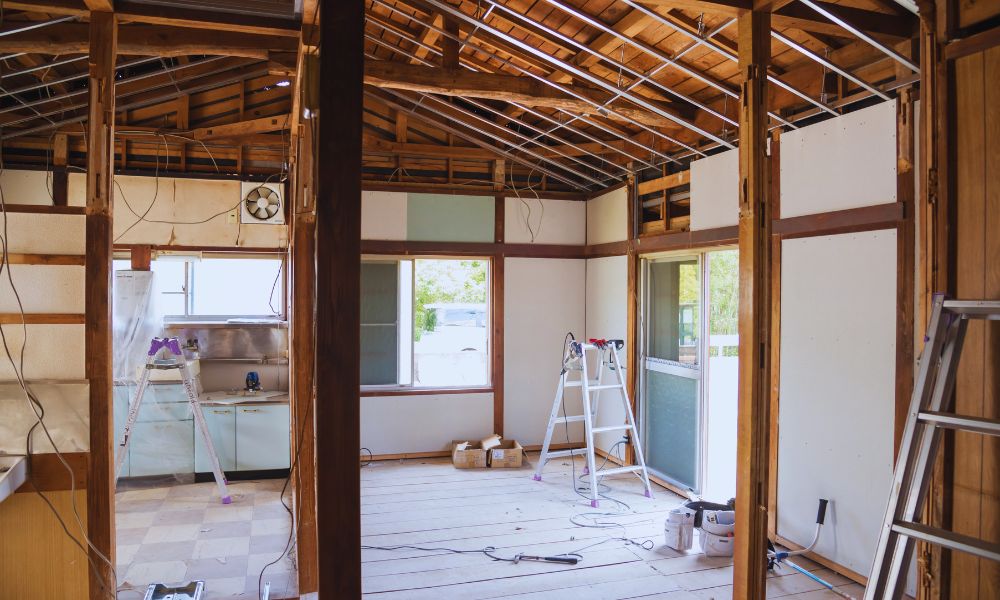
Every akiya quote comes back to a handful of variables.
One big factor is construction date. Japan revised its seismic building code in 1981, and again in 2000. A house built before 1981 (kyu-taishin) was engineered to a much lower earthquake standard than one built after 2000 (shin-taishin).
Buy a pre-1981 wooden akiya and you’re almost certainly budgeting for seismic reinforcement, which usually means extra shear walls and reinforced joints. Sometimes the foundation needs a full upgrade too. That alone can add ¥2 million to ¥5 million before anyone touches a tatami mat.
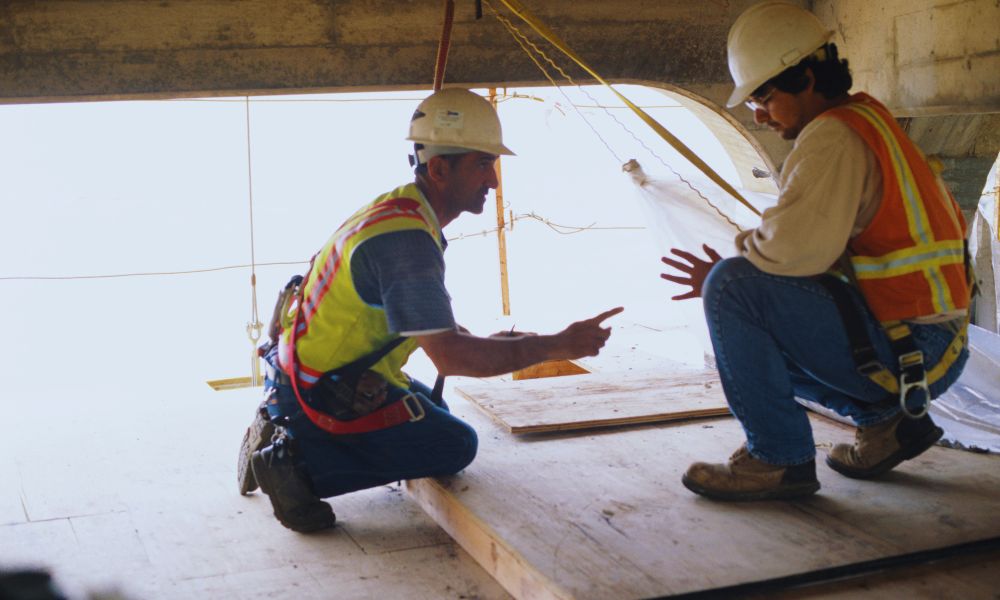
How much of the work is structural versus cosmetic obviously also matters a lot. For instance, peeling wallpaper and a dated kitchen are cosmetic; a sagging ridge beam or rotted floor joists are structural. Structural problems hide behind cosmetic ones more often than buyers expect. A house can look charming and rustic and still have termite damage running through its support posts.
Additionally, how much the property’s location affects labor and material costs catch investors off guard, especially anyone assuming rural Japan means cheap everything. Contractors in remote areas often charge more, simply because there aren’t many of them, and materials have to be trucked in from further away. So, a job that costs ¥6 million near a regional city might run ¥8 million for the exact same scope on a mountain property three hours from the nearest hardware supplier.
Realistic Cost Range, Broken Down by Renovation Scope
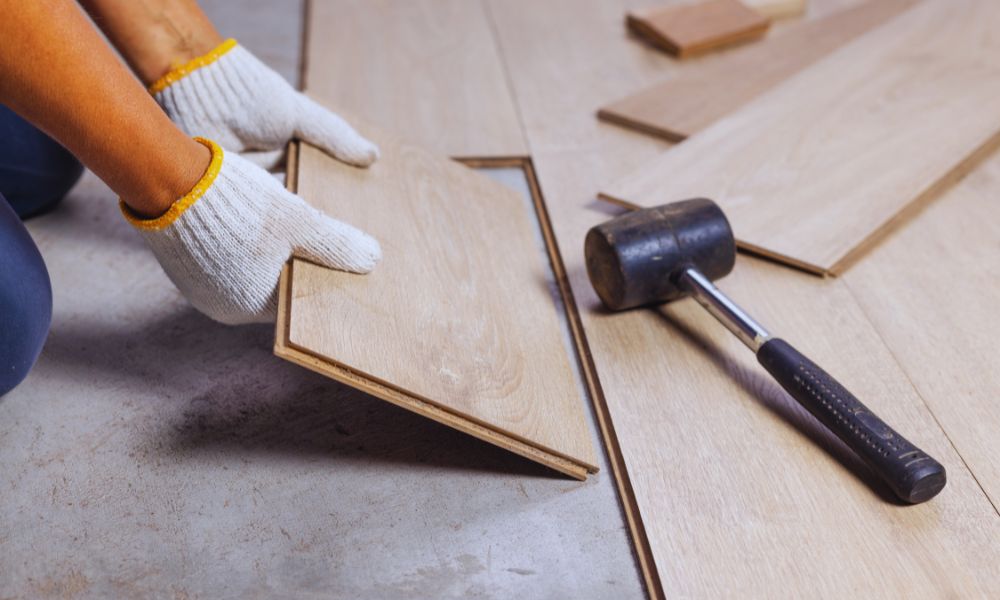
A light refresh, meaning cosmetic work on a house that’s structurally sound, runs ¥3 million to ¥5 million. This tier usually applies to houses under 10 years old, or older homes with traditional woodwork that a previous owner actually maintained. The bones are fine. You’re just modernizing the finish. So, the cost usually just covers things like new flooring, fixtures getting updated, and the exterior getting a repaint.
A moderate renovation lands at ¥6 million to ¥10 million. This is when kitchens and bathrooms get fully replaced. Insulation goes in too, since a lot of older akiya have none at all, and some targeted structural repair usually happens alongside the cosmetic work. Most livable akiya projects end up here, and it’s the range we quote most often for clients planning to actually live in or rent out the property.
Full reconstruction runs ¥10 million to ¥15 million or more. In this tier,you’re looking at foundation work, complete seismic retrofitting, and realistically, a total overhaul of the electrical system. At that point you’re basically building a new house inside an old shell. This is usually where a neglected pre-1981 property lands, one that’s been sitting empty for a decade or more with no upkeep in between. It can work out for a well-located property with strong long-term numbers, but it needs the same level of scrutiny as new construction.
Hidden Akiya Renovation Costs Most Buyers Don't Budget For
Other than the money that actually goes into repairing a house, you should factor in akiya bank administrative fees, which typically run ¥50,000 to ¥100,000 per transaction, depending on the municipality. Land surveys cost extra because rural property boundaries are often undocumented or based on decades-old maps, and a survey can turn up a boundary dispute you didn’t know existed.
Outbuildings, sheds, and secondary structures usually also need demolition rather than renovation, which means a separate permit and a separate line item, often ¥500,000 to ¥1.5 million depending on size.
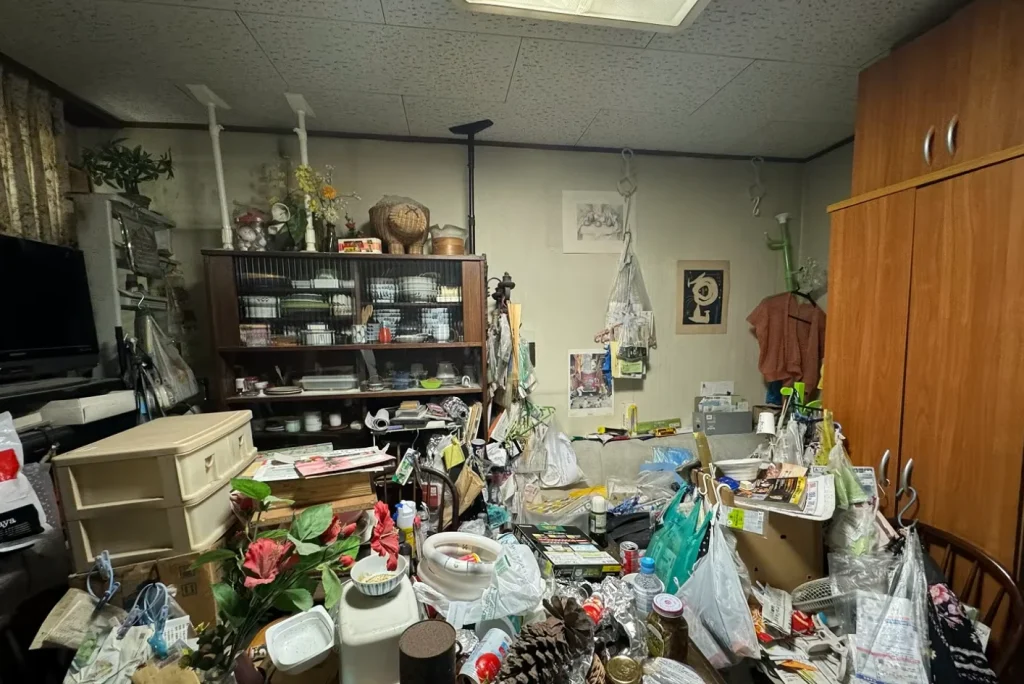
Disposal and cleanup add another cost most buyers don’t see coming. Akiya often sit vacant with decades of furniture, appliances, and personal belongings still inside, and clearing that out before any construction can start typically runs ¥200,000 to ¥800,000 depending on how much is left behind and how the local disposal fees work.
This isn’t optional prep work you can skip, because Japan’s waste disposal rules require specific sorting and licensed haulers for large-item removal, and a house full of decades-old belongings can’t legally just get hauled to the curb.
If you’re unlucky enough to end up with a house that needs asbestos removal, that requires a licensed specialist, not your general contractor, and adds ¥300,000 to ¥1 million depending on scope. Termite inspection needs to happen before purchase, specifically, not as part of a general walkthrough.
Utility reconnection after long-term vacancy often means new water lines or an electrical panel upgrade, and rural utility companies can charge a reconnection fee for service that’s been dead for years.
Of course, managing all these from abroad adds costs for site visits and translation for contracts and permits.
Government Subsidies and Incentives That Offset Akiya Renovation Costs
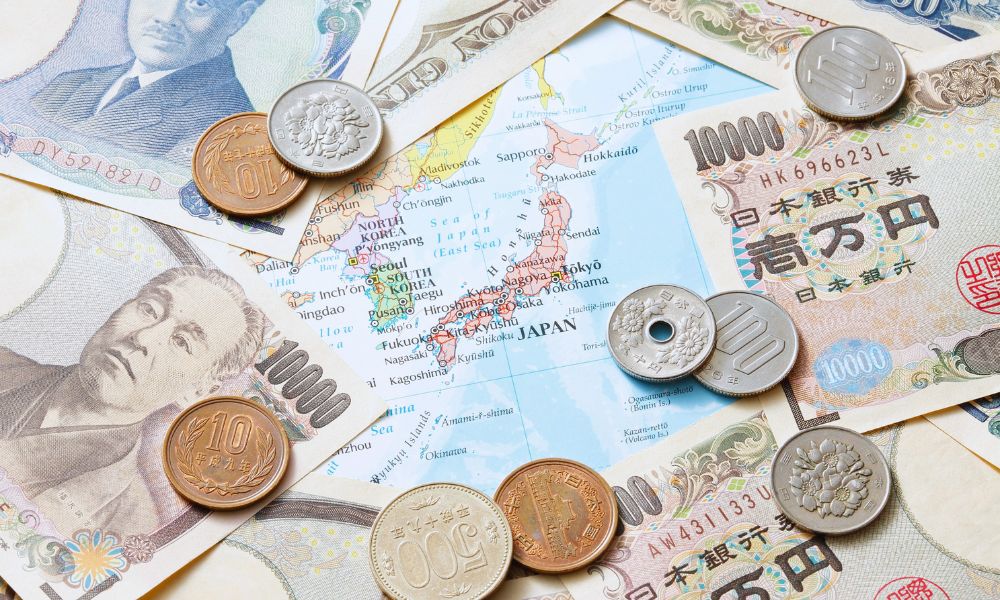
Municipal subsidy programs exist to bring akiya back into use, and for the right property, they cut real cost, reimbursing a percentage of renovation spend, usually capped between ¥500,000 and ¥2 million depending on the town.
For most non-resident foreign investors, though, these programs don’t apply. Eligibility almost always requires proving residency intent, meaning someone actually plans to live in the house, not just rent it out or hold it as an investment. If you’re buying purely for rental income or resale, budget the renovation at full cost and treat any subsidy as a bonus you may not qualify for.
Renovating Remotely, and Why Buyers Work With Sumica
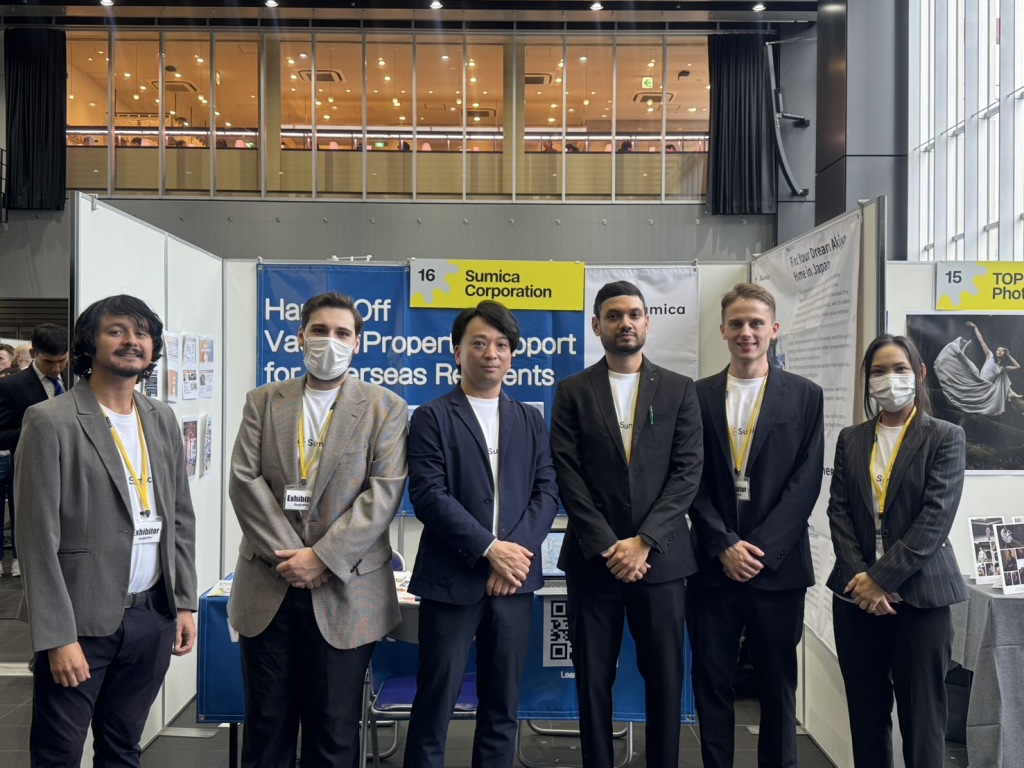
Managing a renovation from another country is a communication problem more than a construction one. Quotes get misread, timelines slip without anyone flagging it in time, and photos are a poor substitute for actually checking the work.
This is the gap Sumica is built to close. We’re not a listing company. We handle sourcing, renovation, leasing, and resale end to end, with over 1,100 completed projects, so a client isn’t relying on a handful of photos and a translated text thread to know if a job is on track.
Working with us means renovation progress gets measured against agreed milestones rather than taken on faith.
Akiya Renovation Cost FAQs
How much does it cost to renovate an akiya in Japan?
Most akiya renovations run ¥3 million to ¥15 million, depending on the property’s age and condition. A light cosmetic job sits at the low end, and a full reconstruction with seismic retrofitting sits at the high end.
Can I get a government subsidy to help cover renovation costs?
A lot of municipalities offer subsidy programs that reimburse part of your renovation spend, but eligibility usually comes down to proving residency intent and hitting a minimum renovation budget.
Get a Real Akiya Renovation Budget Quote Before You Buy
Every akiya project that works starts with an honest number. The listing price tells you almost nothing about what you’ll actually spend. The renovation cost is the number that decides whether the project makes sense, and that’s the number most buyers never get until it’s too late to walk away.
Want to get a list of high-yield akiya properties and the honest cost to invest in them? Contact Sumica now.

![Why You Should Never Choose a Property Based on Gross Yield Alone [Investor Lesson #6]](https://akiya-sumica.com/wp-content/uploads/2026/10/3-2-300x180.jpg)
![Why Good Japanese Properties Sell Within Days [Investor Lesson #1]](https://akiya-sumica.com/wp-content/uploads/2026/09/2-1-300x180.jpg)