Akiya tax in Japan hinges on one distinction: land with a residential building gets up to an 83% property tax reduction, while vacant or “specified vacant house” land can be taxed up to six times more. Recent reforms tightened this further, making passive, unmanaged akiya ownership a real financial risk.
You see, you may have heard that Japan has roughly 9 million vacant homes. That number gets repeated constantly, usually next to a photo of a farmhouse selling for less than a used car. The causes are simple enough. Japan’s population is shrinking, and rural areas are shrinking the fastest. Young people leave for Tokyo and Osaka and rarely move back.
When a parent dies, the house often goes to heirs who already have their own home and their own job somewhere else. They don’t want the property, they can’t sell it fast, and tearing it down costs money nobody wants to spend. So, the house just sits there.
That’s the story most articles tell, and it’s accurate as far as it goes. What it leaves out is the part that actually decides if an akiya purchase makes financial sense. The tax system attached to these properties is what separates a real opportunity from a slow-motion liability. If you’re buying from overseas, you need to understand it before you sign anything, not after.
Akiya Tax in Japan: How Fixed Asset Tax Works
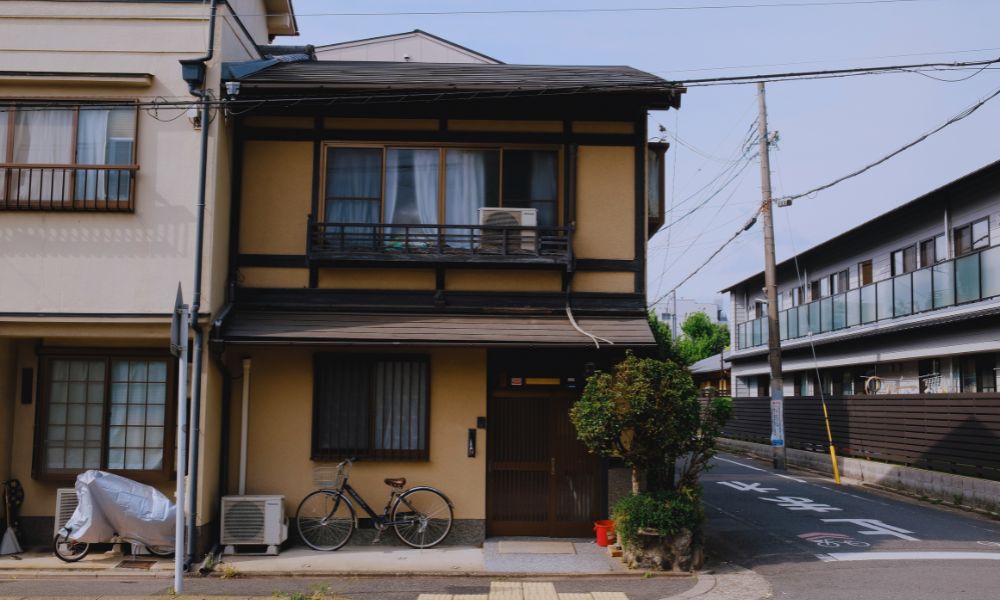
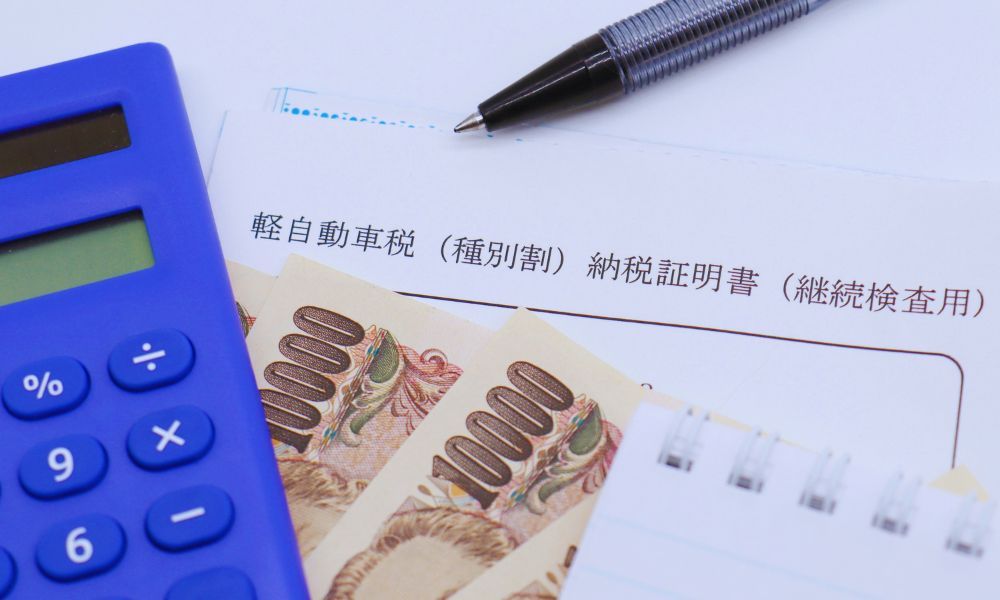
Every property owner in Japan pays an annual municipal tax called kotei shisan-zei, or fixed asset tax. It applies to land and buildings alike. It doesn’t matter if the house is occupied, rented out, or standing empty with the shutters closed, the bill still comes.
The rate is set locally, and the amount owed is calculated against the assessed value of the property, not the price you actually paid for it. Assessed value usually runs below market price, which is one reason rural fixed asset tax bills often look surprisingly small, sometimes as low as ¥30,000 to ¥150,000 a year for a modest countryside property.
That number alone can make an akiya look almost free to hold. But here’s the holdup: It isn’t the number that matters most. What matters is the reduction applied to that number, and what happens the day you lose it.
The Vacant Land Penalty
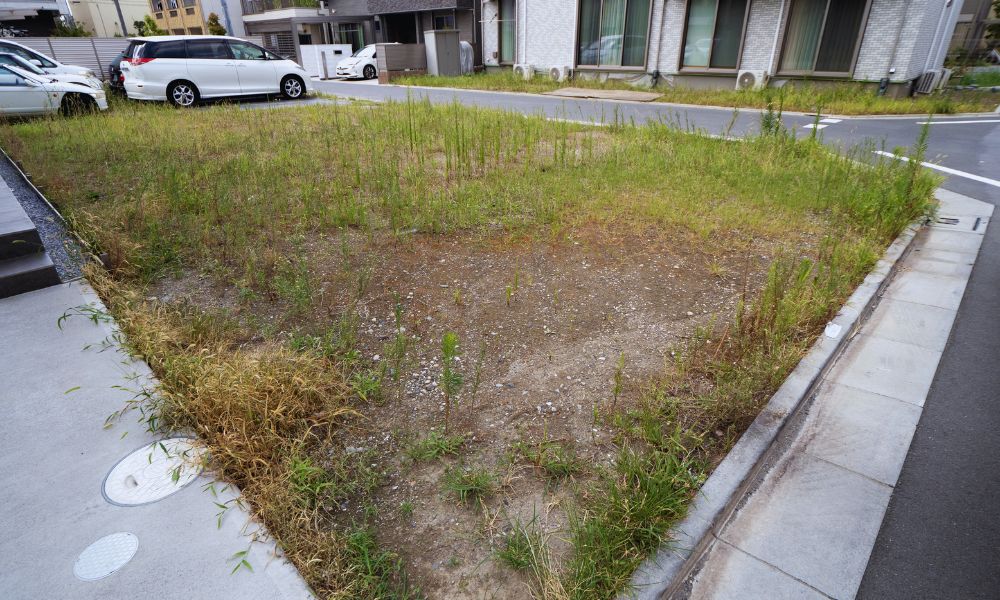
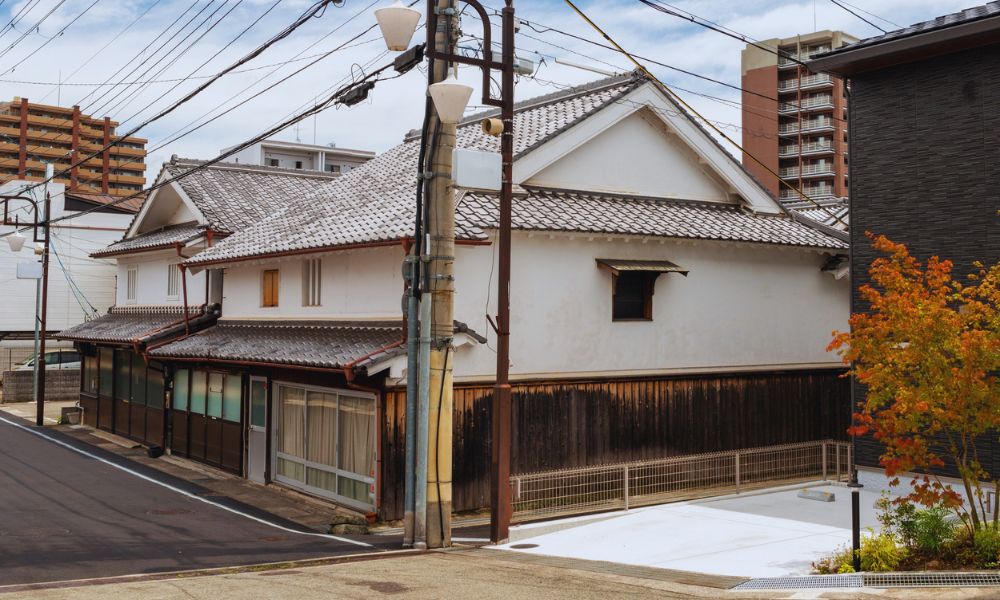
This is the mechanic at the center of akiya tax in Japan, but for some reason, it is the one a lot of buyers discover too late. Land with a house standing on it qualifies for a reduction of up to 83% on its fixed asset tax. Tear the building down, and that reduction disappears. The land goes back to being taxed as bare land, and the bill can jump by six times.
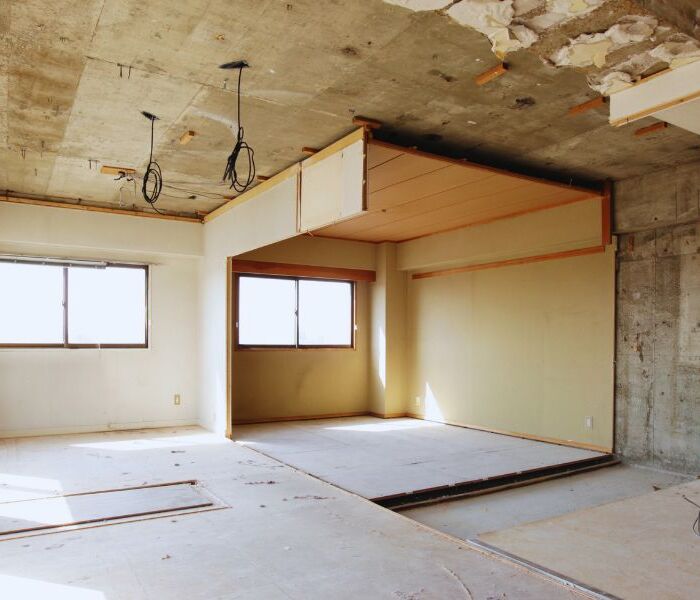
Let’s see what that incentive actually does in practice. Say a homeowner inherits a decaying rural house. Demolition costs anywhere from ¥1 million to ¥5 million, money most heirs don’t have sitting around for a property they never wanted in the first place. Tearing it down also means losing the tax reduction and paying six times more every year after that.
So the cheaper move, financially, is to do nothing. Leave the house where it stands and let it fall apart slowly instead of paying to knock it down and then getting taxed more on the empty lot.
That’s why Japan ended up with millions of akiya instead of millions of cleared lots. For decades, the tax code quietly rewarded neglect. These properties aren’t cheap because Japan has too much housing sitting around. They’re cheap partly because the tax rules made a rotting house a better financial bet than an empty one.
When a House Becomes a "Specified Vacant House"
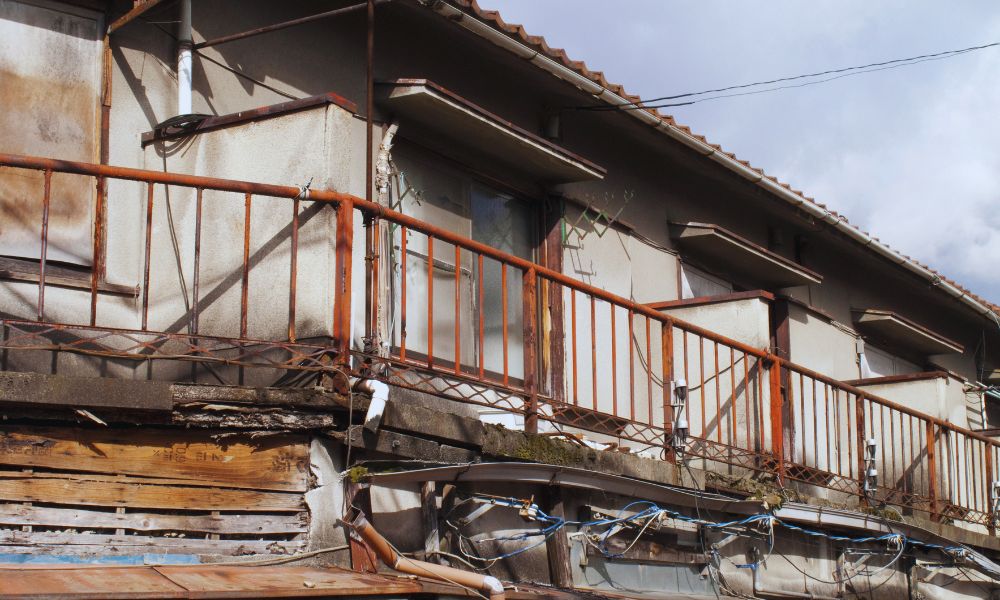
Municipalities eventually noticed the problem and built a way to step in. A property that’s been left unmanaged and poses a safety risk can be designated tokutei akiya, a “specified vacant house,” under the Vacant House Special Measures Act.
This designation isn’t automatic. Local officials inspect the property, apply guidelines set by the Ministry of Land, Infrastructure, Transport and Tourism, and make the call based on visible signs of neglect: a collapsed roof, a failing foundation, pest infestations, or hazards to the properties next door.
Once a property gets this designation, the consequences hit fast and hit the wallet. The residential land tax reduction gets stripped away, pushing the fixed asset tax bill toward that sixfold ceiling. The municipality can also issue formal recommendations or orders requiring repairs. If the owner ignores them, the local government can do the work itself and send the bill to the owner.
In the worst cases, that includes demolition, with the cost landing on whoever holds the title. This is the point where an absentee investor stops dealing with an abstract tax rate and starts dealing with a government office that has both the authority and the willingness to act on a property they haven’t seen in months.
The 2023-2024 Reforms That Tightened the Rules
For years, the tokutei akiya threshold was high enough that a property had to be genuinely dangerous before it lost its tax benefits. That changed with the amended Vacant House Special Measures Act, which added a new category in between called kanri fuzen akiya, or “poorly managed vacant house.”
This category lets municipalities pull the tax reduction at a much earlier stage of neglect. A property no longer has to be close to collapse. Persistent lack of upkeep is now enough on its own.
Alongside this, inheritance registration became mandatory in April 2024. Heirs now have three years from inheriting real estate to register the transfer of title, and missing that window can mean an administrative fine of up to ¥100,000. This change matters more than it looks on paper. A huge share of Japan’s akiya problem traces back to unclear ownership, properties passed down across generations without anyone updating the registry. Mandatory registration is meant to close that gap over time, which should eventually put more properties on the market with a clean title.
In practice, though, that three-year window fills up faster than it sounds. Getting a Judicial Scrivener to process an inheritance registration can take months on its own, especially once you’re tracking down siblings scattered across different cities, gathering family registry documents from multiple prefectures, and waiting on a local legal affairs bureau that moves at its own pace. Three years feels generous until the paperwork actually starts.
Together, these two changes send a clear signal. The government has moved from tolerating passive neglect to actively penalizing it, and the bar for penalty keeps dropping.
Kyoto's New Vacant Home Tax and What It Signals
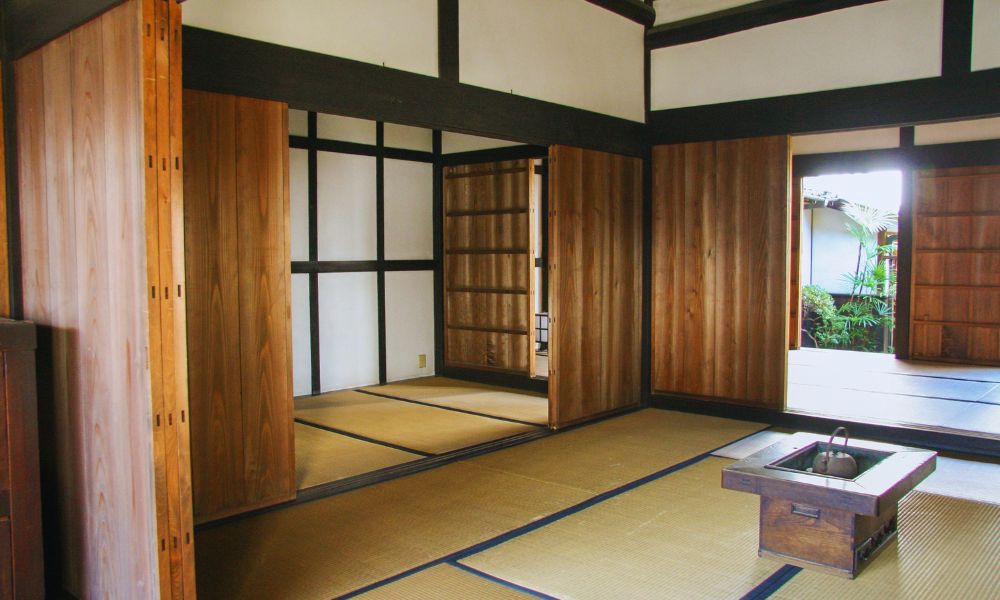
Kyoto City has taken this further than any municipality so far. It received national approval for a dedicated tax on non-occupied homes, known formally as the hi-kyoju jutaku rikatsuyo sokushin zei, set to take effect in fiscal 2030. This is a separate tax targeting vacancy itself, layered on top of the existing fixed asset tax structure.
It’s a direct response to Kyoto’s housing shortage running into a growing number of homes sitting empty, some owned by investors who never intended to occupy them.
What matters here isn’t just Kyoto’s specific policy. It’s the precedent. Other municipalities are watching this rollout closely, and if it proves effective at pushing owners toward occupancy or real use, there’s no reason to assume it stays contained to one city. Any investor treating rural or urban akiya as a long-term passive hold should read Kyoto’s move as an early signal, not a local one-off.
Turning Tax Exposure Into a Manageable Cost
Now, none of this means akiya investment is a bad idea. It means the properties that stay financially sound over time are the ones with active, informed management behind them, not the ones left to sit while an owner checks in from another continent once a year.
The whole tax structure rewards visible occupancy and timely paperwork, and it penalizes exactly the kind of absentee ownership that international investors fall into by default, simply because of distance.
This is where a managed akiya partnership changes the math. Keeping a property inside the favorable tax category takes ongoing attention. Someone needs to make sure the house shows real signs of use, catch maintenance issues before a municipality flags the place as poorly managed, and keep on top of registration and reporting deadlines that are easy to miss from six thousand miles away.
Sumica exists to close that gap, so investors get the upside of akiya ownership without turning into a part-time compliance officer for Japanese municipal tax law. The properties that hold their value over a decade are almost always the ones where someone local is paying attention year-round, not the ones bought and left alone.
The Real Math Before You Buy
The purchase price of an akiya tells you almost nothing about the actual cost of owning it. A ¥1 million house that needs ¥8 million in renovation isn’t a bargain. It’s a ¥9 million property with a long project attached, and that’s before you factor in the ongoing fixed asset tax, the risk of losing the residential reduction through neglect, and the cost of professional oversight if you’re not living nearby.
Those numbers all belong in the same spreadsheet as the listing price, not treated as afterthoughts once the deal is already closed. Run the full math before you commit, not after. And if you’d rather have that math run for you by people who track these regulations as they change, and by a team that has a tried and tested akiya buying roadmap, that’s exactly the conversation to have with Sumica before you make an offer.
Akiya Tax in Japan FAQs
Is akiya tax in Japan different from regular property tax?
Not structurally, no. Akiya fall under the same fixed asset tax (kotei shisan-zei) that applies to every property in Japan. What’s different is the risk attached to that tax. A well-maintained, occupied home keeps its residential land tax reduction for good. A neglected akiya is the property type most likely to lose that reduction, because it’s the property type most likely to get flagged by a municipality as poorly managed or unsafe.
What triggers the loss of the tax reduction on a vacant house?
Two paths lead there. The first is demolition. Tear down the structure and the land immediately reverts to being taxed as bare land, at the higher rate. The second is a tokutei akiya or kanri fuzen akiya designation, where a municipality decides the property is unsafe or not managed well and strips the reduction without anyone touching a shovel.
Can a municipality really force repairs or demolition on my property?
Yes, and this surprises a lot of first-time buyers. Once a property is designated tokutei akiya, the municipality can issue formal recommendations, then orders, requiring repairs. If those go unaddressed, local authorities are allowed to carry out the work themselves, including demolition in extreme cases, and bill the owner for it afterward.
Does buying an akiya affect my ability to live in Japan?
No. Property ownership and residency status are completely separate systems in Japan. Buying a house, even outright and with cash, grants no visa, no residency permit, and no path toward either.
Is it possible to avoid the vacant land tax penalty without living in the property full-time?
Yes, but it takes active management, not a hands-off approach. Municipalities are generally looking for evidence of use and upkeep, not year-round occupancy. A property that gets regular maintenance and gets checked on consistently rarely triggers a poorly-managed designation, even if the owner lives overseas.