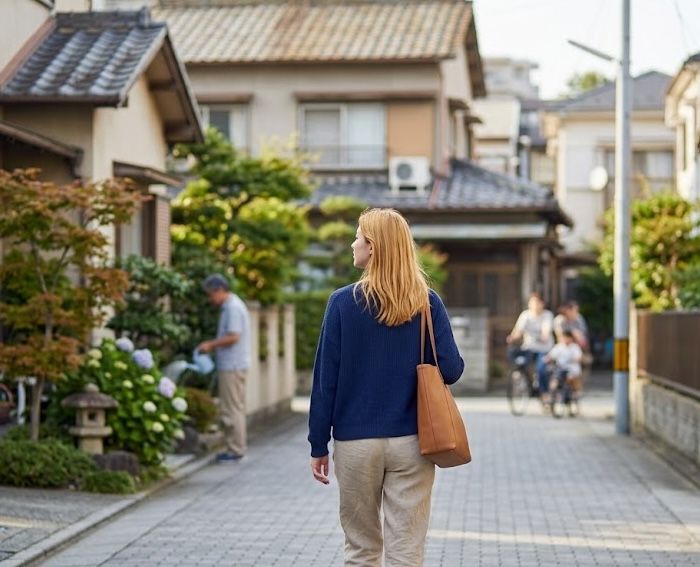
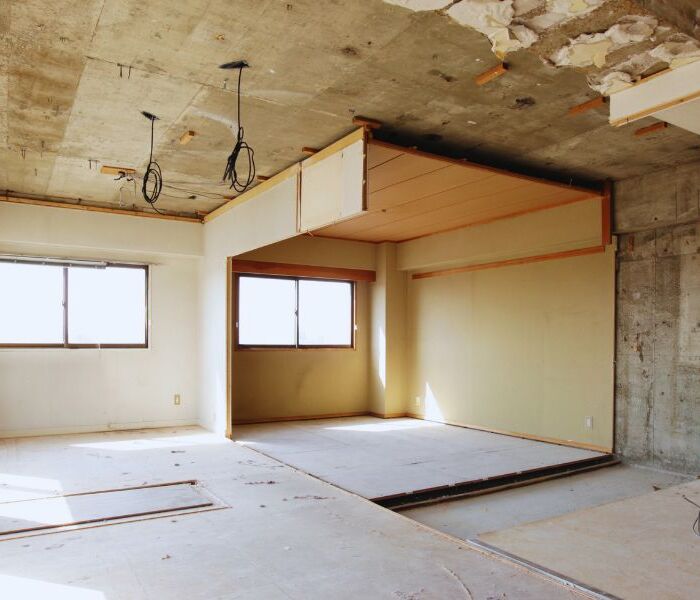
Houses in Japan fall into a few main types: ikkodate (detached homes), mansion (concrete apartments), kominka (traditional farmhouses), machiya (Kyoto townhouses), and akiya (long-vacant properties that can be any of these). Get the type wrong and you can end up with a financing or renovation surprise you didn’t plan for.
Most foreign buyers start with a place. Tokyo, Kyoto, somewhere near the water. The location comes first and the building comes second, almost like an afterthought. That order causes problems. The structure of a house sometimes shapes far more of your buying experience than the neighbourhood does. A bank decides what it will lend against based on the building, not the postcode. An insurer prices your premium the same way, and a large chunk of your renovation budget gets decided before you’ve even moved in.
Ikkodate: The Standalone Detached House
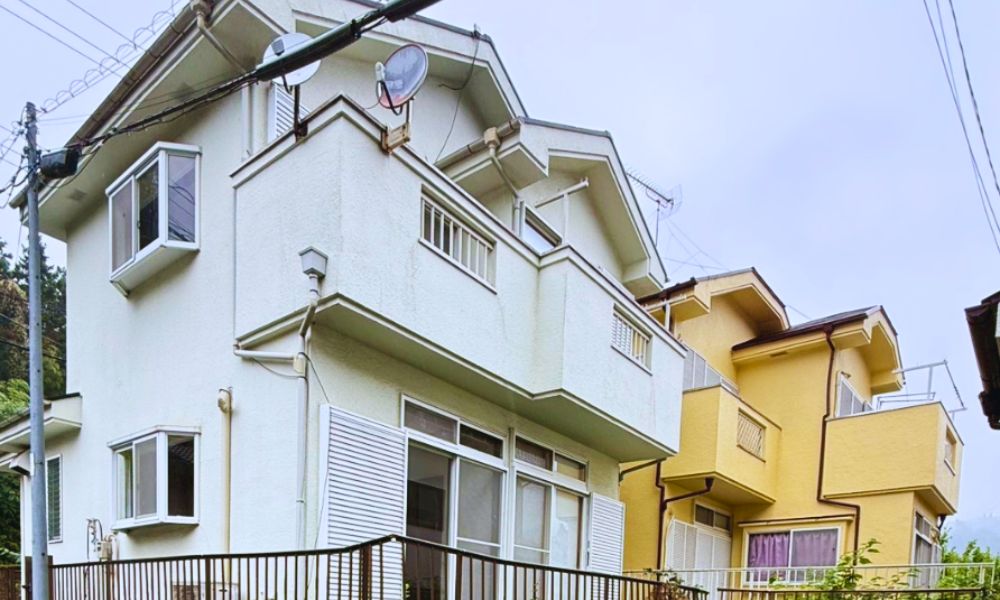
Ikkodate is the house most people picture when they think of Japan. It sits on its own plot, usually narrow, often two storeys, reflecting how tightly land gets used, even outside the biggest cities. You’ll find them packed close together in Yokohama or Saitama, with more breathing room once you get out toward Chiba or the Kansai countryside.
Older ikkodate tend to be built from timber using local methods that have barely changed in decades. Newer builds increasingly use engineered wood or light steel frames, both of which hold up better under current building codes and cost less to insure. The land under the house often holds more long-term value than the structure sitting on it, but a bank checking your loan will look hard at the building’s age and structure type before it even considers the location.
Mansion: Japan’s Dominant Apartment Homes
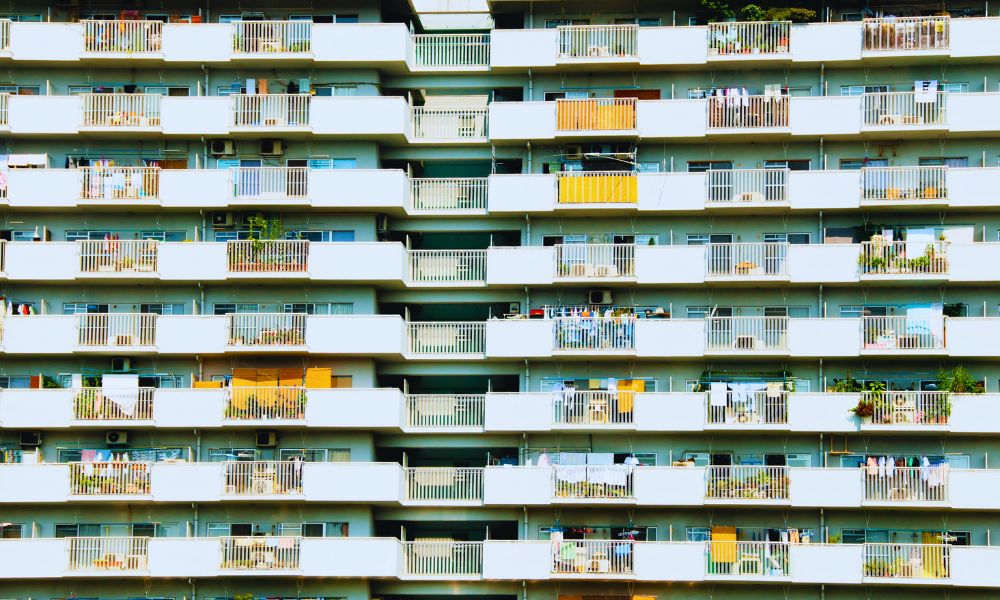
Mansion is a word that trips up English speakers fast, since it means something different here. A mansion in Japan is a reinforced concrete apartment building, and it’s the standard form of city housing across the country. If you’re buying in central Tokyo or Osaka, you’re very likely looking at a mansion unit.
Buying into a mansion means buying into a management structure just as much as a physical space. Every building runs a management association, collects monthly fees, and keeps a reserve fund for big repairs like roof work or repainting. The size of that reserve fund tells you a lot about how well the building has been run.
Concrete ages differently than wood too. A well-kept mansion from the 1990s can still be a solid long-term hold, while a wooden ikkodate from the same era often needs far more work to bring up to standard. Lenders factor this in directly, and it shows up in the terms they offer you.
Kominka: Japan’s Traditional Farmhouses
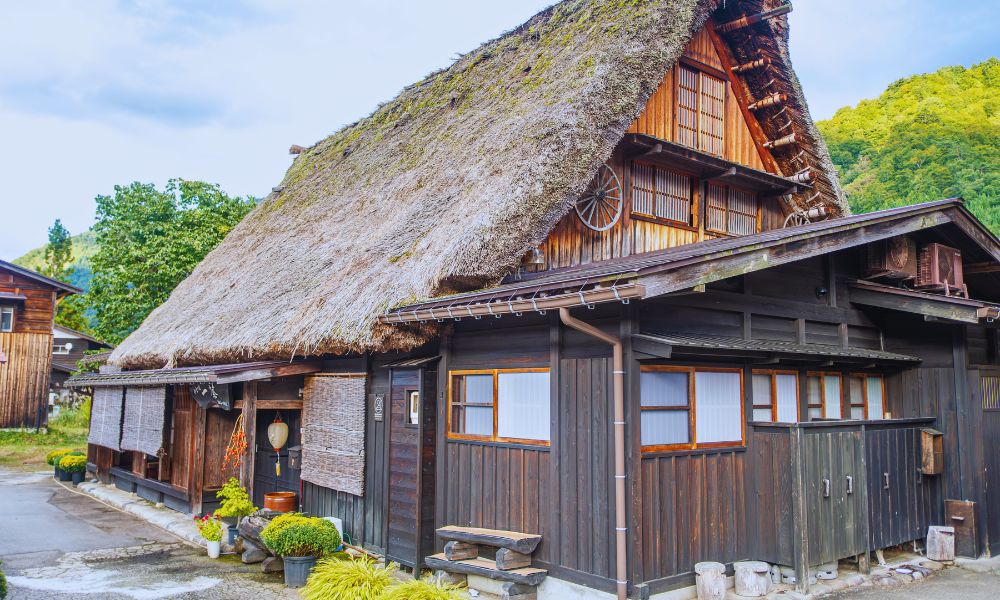
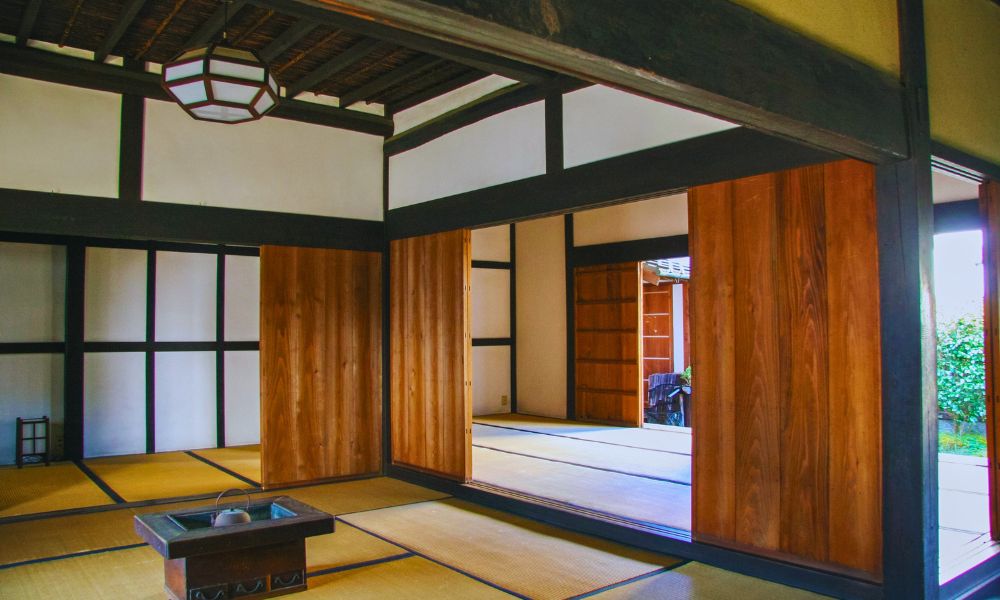
Kominka means a traditional Japanese farmhouse, usually built from thick timber beams joined using methods that predate modern fasteners. You’ll spot one by its steep roof, exposed structural beams inside, and a floor plan built around an irori hearth instead of a modern kitchen. These houses cluster in rural areas, especially in Nagano, Gifu, and parts of Kyushu, where population decline has left a large stock of them sitting empty.
Buying a kominka isn’t the same project as buying an ordinary old house. The joinery itself often holds real value, and a good renovation keeps the beam structure visible instead of covering it up. The systems inside these buildings tend to lag behind what a foreign buyer expects as normal. Wiring is often original, insulation is frequently absent altogether, and plumbing has usually been patched rather than replaced.
Kominka renovation projects by foreigners are popular on social media these days, and seeing some of those reels is enough to get you dreaming about buying this type of property, especially given their lower prices.
However, you should know that bringing a kominka up to a comfortable modern standard is a big undertaking, not a light cosmetic job. Buyers drawn to kominka usually plan for them to be homes where they want to settle instead of an investment, appreciating their specific character and accepting the trade-off in convenience.
Machiya: Japan’s Urban Townhouses
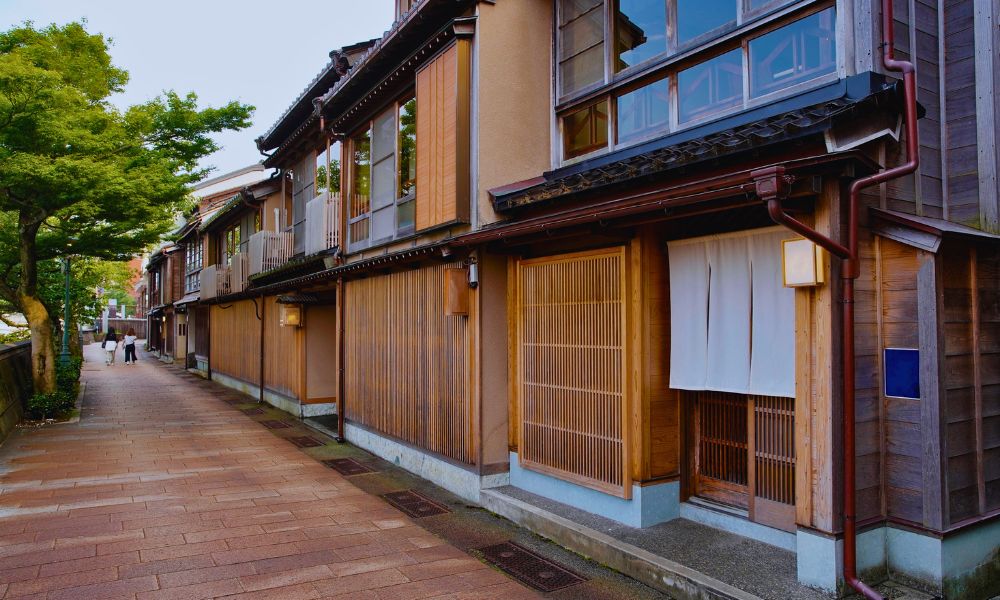
Where kominka belongs to the countryside, machiya belongs to the city, especially Kyoto. These are narrow, deep wooden townhouses, built to keep street frontage small while running back a surprising distance from the road. Inside, you’ll typically find a long hallway connecting a row of rooms, often opening onto a small garden partway back.
Kyoto treats its remaining machiya as heritage worth protecting, and several preservation and subsidy schemes exist specifically to keep these buildings standing instead of being torn down for new construction. That protection also limits what you can change about the exterior and structure, which matters if your renovation plans are big. Getting permission for structural changes can take months of back and forth with the city, longer than most buyers plan for.
Machiya sell at a real premium compared to a similar-sized ikkodate, mainly because there aren’t many left and demand for that urban traditional character keeps climbing.
Japan’s Akiyas
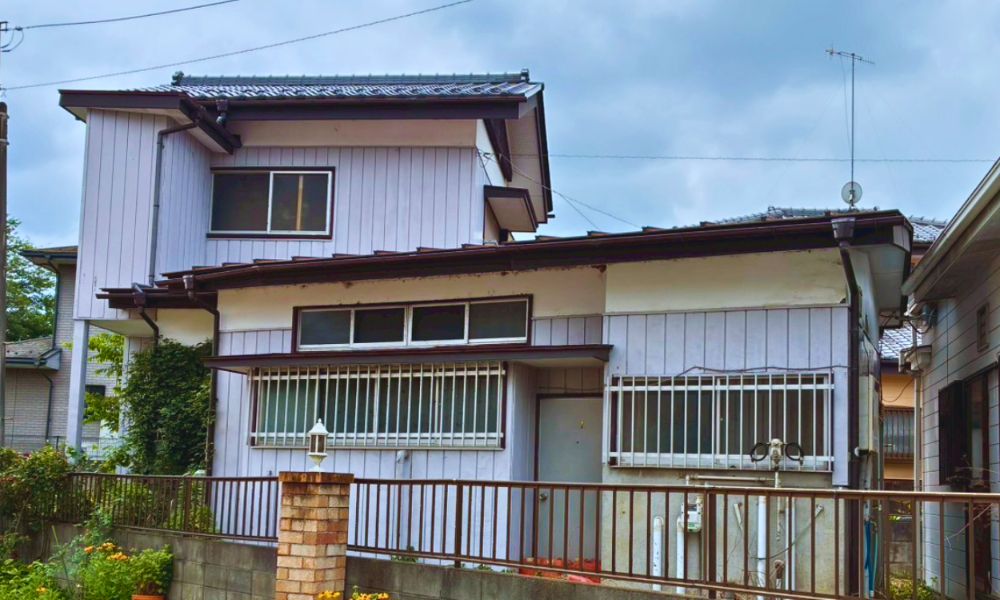
This is where a lot of buyers get mixed up. People talk about akiya online like it’s its own architectural style, when it just means a vacant house. The building underneath could be almost anything. An ikkodate sitting empty in a shrinking suburb counts. So does a kominka left behind after an elderly owner passed away, or a mansion unit that’s sat unoccupied for years. The label describes vacancy status, not the building underneath it.
What makes akiya worth understanding as its own category is the incentive structure attached to it. Local governments facing population decline often list vacant properties through akiya bank programmes at steep discounts, sometimes with subsidies for renovation or moving costs. These programmes vary a lot by municipality, and many require you to actually live in the property rather than rent it out or flip it.
Matching Houses in Japan to Buyer Intent
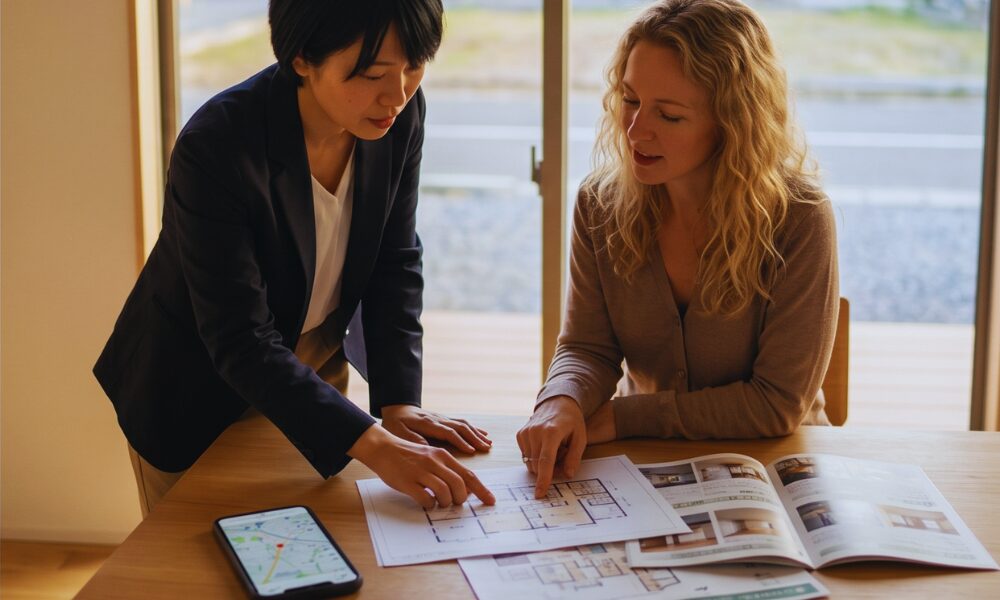
None of these categories exists apart from what you actually want from the property. A buyer chasing rental income in central Tokyo has little reason to look at a rural kominka, however good the beams look in photos. Someone planning a real long-term move to the countryside might find that same kominka, or a suburban ikkodate near a regional city, fits much better than a concrete mansion unit ever would.
This is where type and condition stop being academic and start shaping real decisions around financing, renovation budget, and timeline. Sumica works through that matching process with you directly, weighing structure type against your actual goals instead of treating every listing the same. That matters more here than with a typical brokerage, because Sumica handles sourcing, renovation, and leasing or resale as one continuous service rather than handing you off after the sale closes.
Getting the building type right at the start avoids a lot of grief later, including the registration delays that catch buyers off guard when paperwork through a judicial scrivener drags on longer than expected.
Still can’t decide which property type in Japan is ideal for you? Talk it through with Sumica.
FAQs on Houses in Japan
What’s the difference between an ikkodate and a mansion in Japan?
An ikkodate is a standalone house on its own land. A mansion is a unit inside a shared concrete building run by a management association. Ikkodate owners handle their own upkeep. Mansion owners split costs and decisions with everyone else in the building.
Can foreigners buy traditional houses in Japan like kominka?
Yes, with no restrictions. Japan doesn’t require any particular nationality to own property.
What do akiya bank programmes actually require?
It depends on the town. Most want you to actually move in, often within six to twelve months, and many won’t accept buyers planning to resell fast. Some offer renovation money on top. Check the specific programme, since the rules shift a lot between municipalities.