If you are an American looking to buy property in Japan, you may be wondering if foreign ownership laws will get in your way. Some countries in Asia restrict foreign ownership of land, so it is a fair question.
Japan takes a different approach, though. Generally, a US citizen can buy property in Japan. Yes, without Japanese citizenship or permanent residency. You can practically live in the United States, purchase a property in Japan, and own it in your own name.
The harder part comes after you find a property you like. Buying from overseas means sorting out documents, transferring money across borders and understanding your US tax obligations. If you plan to rent out the property, you will also need a reliable way to manage it from abroad.
Here is what American buyers should know before they start looking at listings.
Why Buying Property in Japan Could Make Sense for Americans Right Now
If you’re an American considering buying property in Japan, I’m guessing the weak yen is a big part of the appeal right now. At around ¥158 to the dollar, a ¥10 million property in Japan costs about $63,300. In the US, that amount is far below the median existing home price of around $435,000 in the second quarter of 2026. In Japan, however, $63,300 can put an older detached house with its own land within reach, particularly in regional or suburban areas.
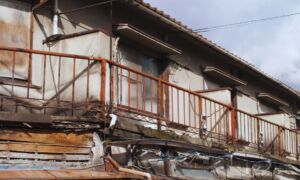
Japan’s property market includes older houses and vacant homes, known as akiya, that can sell for relatively low prices, especially outside major cities. For buyers willing to take on renovation work, these properties can offer a way into the market at a lower initial cost.
Japan is also among the most sought-after travel destinations for Americans, and some of those loyal visitors want a place to stay during visits to Japan. Preferably ones that could also generate them rental income when they’re away.
So, Can a US Citizen Own Land in Japan?
Yes. Japan generally allows Americans to buy land and buildings directly, even if they live in the United States and have no Japanese residency status. The legal term for full ownership is shoyuken (所有権).
This means you can buy a detached house with the plot included in the sale, use it as a holiday home, rent it out or sell it later. Unlike in countries like Thailand, where foreign individuals generally face restrictions on direct land ownership, Japan places no general nationality-based ban on Americans purchasing land.
Before you buy, however, check exactly what the sale includes. Some properties sit on leased land, and restrictions involving road access, zoning or building regulations can affect renovation and rebuilding.
Japan's Foreign-Buyer Rules in 2026: What Americans Need to Know
News about tighter oversight of foreign property purchases can leave buyers wondering if Japan is closing the door to Americans. The important distinction is between rules that govern ownership and rules that require buyers to report a transaction.
Japan already has reporting requirements under the Foreign Exchange and Foreign Trade Act, known as FEFTA. Under the Ministry of Finance’s published guidance, a nonresident who acquires covered real estate or certain related rights must submit a report to the Minister of Finance through the Bank of Japan within 20 days of the acquisition. The report must be in Japanese, but the buyer can file it directly or appoint an agent residing in Japan.
These steps add paperwork, but they do not by themselves prevent Americans from buying Japanese property. The practical concern is timing. If a required document is missing or a filing goes to the wrong place, the process can slow down.
Buying Property Does Not Give You a Japanese Visa
You can buy a house in Japan and continue living in the United States. But if you want to move into that house and live in Japan long-term, you’ll need an immigration status that allows you to stay.
As a US citizen, you can generally visit Japan for up to 90 days without a visa for tourism or other permitted short-term activities. You can use that time to visit your property, explore neighborhoods or meet real estate agents. Owning a house does not extend your permitted stay, and short-term visitor status does not allow you to take up employment in Japan. Japan’s Ministry of Foreign Affairs explains the visa exemption rules here.
Now, what if you want to live in Japan permanently? You’ll need to qualify for a residence status based on your circumstances, such as employment, family ties or running a business. Buying a house does not qualify you for any of these routes by itself.
Can you get a Business Manager visa by buying property?

Not simply by purchasing a house or setting up a company to own it. Japan’s Business Manager status covers people who actually manage or administer a qualifying business in Japan. A property held for personal use, or a company that merely owns a house, does not automatically meet that requirement.
In fact, Japan tightened the Business Manager eligibility criteria on October 16, 2025. The revised rules generally require at least ¥30 million in business capital or investment, at least one full-time employee, and evidence of the applicant’s management experience or relevant qualifications.
Applicants must also meet Japanese-language requirements through the applicant or a qualifying employee, provide a business plan assessed by an appropriate expert, and satisfy requirements concerning business premises and the actual operation of the business.
These requirements make this a substantial business commitment. If your goal is simply to spend a few weeks or months a year at your house, short-term visits may be enough. If you want to relocate, identify the residence status that fits your actual plans before you buy.
US Tax Rules for Americans Who Own Property in Japan
If you’re a US citizen buying property in Japan, you generally remain subject to US tax rules on your worldwide income. The tax implications depend on how you use the property.

If You Rent Out Your Japanese Property
US citizens generally must report taxable rental income from overseas property on their US tax returns. For an individual who owns the property directly, this usually means reporting rental income and eligible expenses on Schedule E of Form 1040.
You can generally deduct qualifying expenses, including property management fees, repairs, insurance and certain property-related taxes. You may also be able to claim depreciation on the building, although land itself cannot be depreciated. US depreciation rules for residential property outside the United States can differ from those for domestic property, so the calculation deserves particular attention.
Keep records of rental payments, expenses, property improvements and the dates of transactions. The IRS generally requires amounts to be reported in US dollars, so retain the original yen amounts and supporting documents. These records can also affect the calculation of your taxable gain if you eventually sell the property.
Will You Pay Tax in Both Japan and the US?
Rental income from property in Japan may be taxable in Japan, while the United States generally requires its citizens to report that income on their US returns. You may therefore have tax obligations in both countries.
The US-Japan income tax treaty addresses the taxation of income from real property. Depending on your circumstances, you may also qualify for a US foreign tax credit for eligible Japanese income taxes. This credit can reduce your US tax liability, but it does not automatically reimburse every tax paid in Japan. Eligibility, calculation limits and the timing of income can affect the amount you claim.
If you live outside Japan and receive rent from Japanese tenants, Japanese withholding tax rules may also apply. The treatment depends on the circumstances, including the type of tenant and how the property is used.
Do You Need to Report a Japanese Bank Account to the US?
If you open a Japanese bank account to collect rent or pay property expenses, you may have a separate US reporting obligation.
Under the Foreign Bank Account Report (FBAR) rules, US persons generally must file a report if the combined value of their reportable foreign financial accounts exceeds $10,000 at any point during the calendar year. The report is submitted electronically to the Financial Crimes Enforcement Network (FinCEN), separately from your regular income tax return.
The threshold applies to the combined value of qualifying financial accounts, not the value of your Japanese property. So, owning a house in Japan does not, by itself, trigger FBAR filing, but a Japanese bank account may trigger the requirement even if it earns little or no interest, provided the reporting criteria are met.
Some taxpayers must also file Form 8938, which covers specified foreign financial assets. Its thresholds depend on your filing status and where you live. FBAR and Form 8938 have different requirements, and filing one does not automatically satisfy the other.
Frequently Asked Questions
Can a US citizen buy a house in Japan without permanent residency?
Yes. US citizens can generally buy and own houses and land in Japan without Japanese citizenship or permanent residency.
Can a US citizen get a mortgage in Japan?
Some lenders offer loans to qualifying overseas buyers, but options for Americans living in the United States can be limited. More about mortgages in Japan for foreigners here.
Does buying property in Japan give me a visa?
No. Property ownership does not grant a Japanese visa or residence status.
Buying Property in Japan From the US? Sumica Can Help
You can buy property in Japan while living in the United States, but coordinating a purchase from overseas takes preparation. Sumica helps American buyers navigate the process from overseas. The team can source properties, assess their condition and investment potential, coordinate local inspections and support the purchase process.
If you’re buying an older house, Sumica can also help plan renovations and arrange ongoing property management, including tenant placement, rent collection and repairs. That means you can have local support on the ground without needing to manage every detail from the United States yourself.
Explore Sumica’s property sourcing and management services or learn more about buying Japanese property as a US investor.
Ready to explore your options? Contact Sumica now.