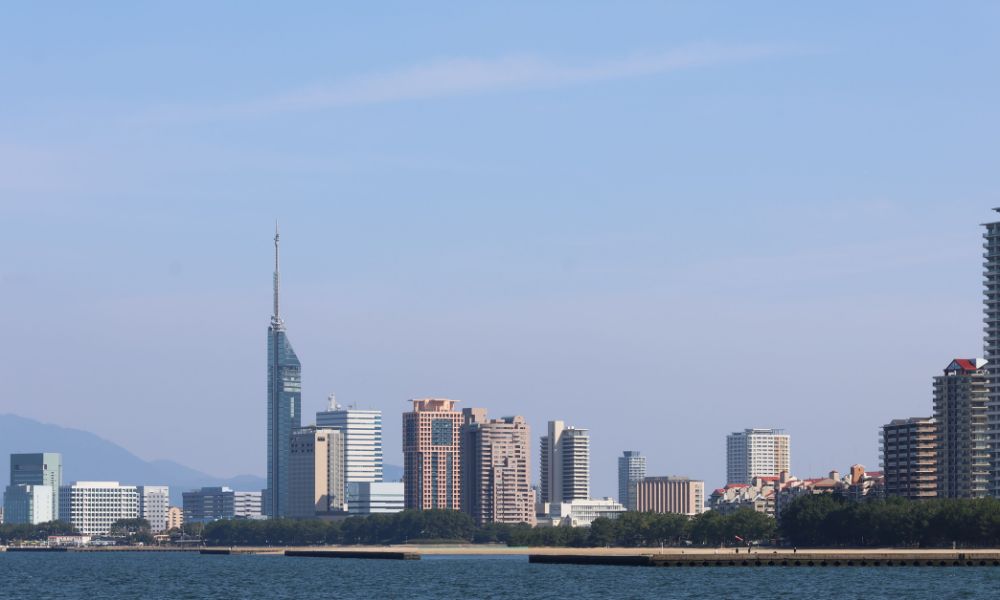
Fukuoka is one of Japan’s strongest regional property markets: its population is up nearly 30% since 1995, land prices have risen for over a decade, and city homes cost well below Tokyo’s. Fukuoka houses for sale draw overseas and local buyers for a simple reason: the city keeps growing while the country shrinks. Japan’s population fell from about 126.1 million in 2020 to 123 million in the preliminary 2025 census, but Fukuoka City went the other way. It climbed from 1,284,836 residents in 1995 to 1,663,892 in 2025, a gain of nearly 30%. Rents, land values and tenant demand all follow that curve.
The growth has an end date, though. The city expects its population to peak near 1.7 million around 2040, and its own planning documents show the working-age group shrinking from around 2030. The easy catch-up years are over. From here, the ward you pick and the house you buy matter more than the month you buy it.
This guide covers how Fukuoka got here, what a house costs today, how the market stacks up against Tokyo and Osaka, and where a foreign buyer with a real budget should start looking.
How Fukuoka Got Here: From a Long Slump to a Decade of Gains
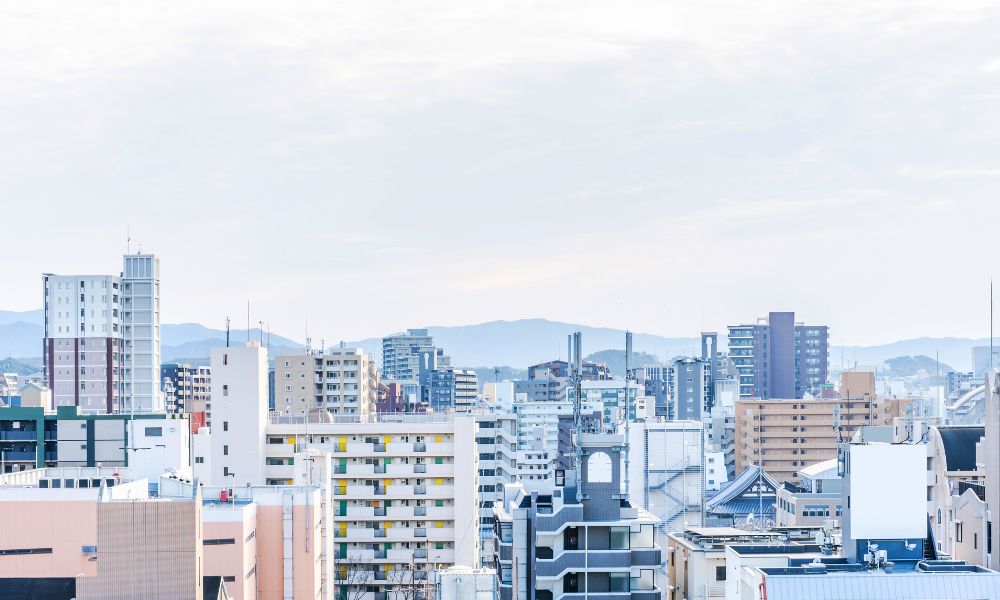
Fukuoka’s boom looks obvious now, but in 2012 it looked unlikely. Land prices slid for years after the bubble. The 2013 official survey finally showed average residential land in Fukuoka rising for the first time since 2008, up 0.7% after a 0.9% drop the year before. Appraisers pointed to brisk condo and house sales in Sawara Ward and more foot traffic around Hakata Station. Low interest rates and a rush to buy ahead of a consumption tax hike did the rest.
The trend picked up speed. By 2016, Fukuoka Prefecture recorded its first rise in commercial land prices in 24 years, with districts around Hakata Station gaining more than 22%, and residential land rose in every district of Fukuoka City. Policy helped. In 2015 the city launched Tenjin Big Bang, which used national strategic special zone status to loosen aviation-law height limits for central redevelopment, and that December it opened Japan’s first Startup Visa for foreign founders.
Then came a long run of gains. The 2025 national survey put Fukuoka Prefecture’s land prices up 5.5%, the third-highest increase in Japan and an eleventh straight annual rise. Fukuoka City’s residential land jumped 9.0%, the best among prefectural capitals. The pace has cooled since. The January 2026 survey showed prefectural residential land up 3.7% and commercial land up 5.2%, both slower than a year earlier, as construction costs, land prices and mortgage rates climbed.
Fukuoka Versus Tokyo, Osaka and Japan’s Other Popular Markets
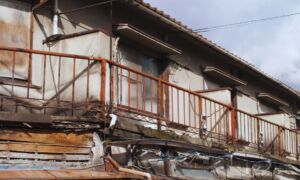
Prices in Fukuoka depend on where you look. Older houses in Kitakyushu and the fringe towns often ask under ¥10 million. City houses and newer stock run well above that, and condos cost the most. Listings change every week, so check what is actually on the market the week you buy.
That said, Fukuoka no longer leads on price growth. In the March 2026 official survey, Tokyo posted the biggest gain of any prefecture, at 6.5%. The big regional cities, Fukuoka included, grew more slowly, and by September 2026 their growth had slowed again. The Japan Times pointed to buyers who skipped expensive properties and moved to cheaper suburban homes. That shift helps anyone shopping for a house in Fukuoka’s outer wards.
Yield tells you more. Global Property Guide puts Fukuoka’s gross apartment yield at 4.77% in Q1 2026, while Tokyo sits near 3.3%. Osaka lands about where Fukuoka does. Those are gross figures for apartments, so a house that needs renovation and a property manager will net less.
The price gap is bigger. A new condo in Fukuoka City averages around ¥60 million, and Tokyo’s average is about ¥138 million. A ¥6 to ¥10 million purchase, the range Sumica’s overseas clients usually spend, fits the cheaper end of Fukuoka’s house listings, and Kitakyushu wards fill most of that end.
Inside the City: Which Wards Fukuoka Buyers Look At
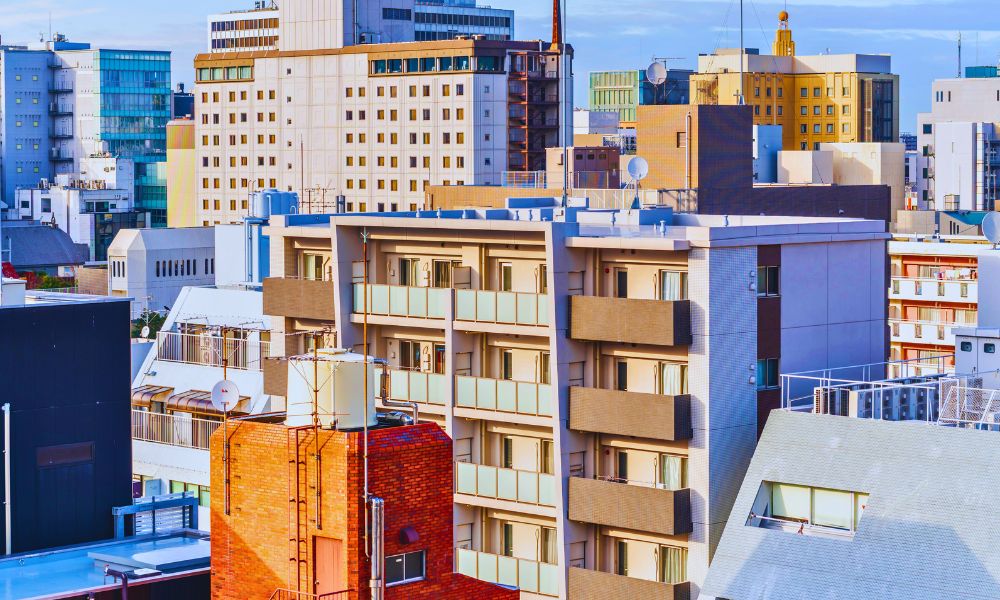
Fukuoka City has seven wards, and each one prices houses differently. Chuo and Hakata, home to Tenjin and the main station, carry the highest medians. Higashi, Minami and Nishi run lower. Higashi, around Kashii and Island City, has the newest developments. Nishi, toward Itoshima, has the cheapest land and older houses near the coast.
Looking at population counts to see where people actually move, between 2015 and 2025, the preliminary census shows Hakata Ward growing about 16%, from 228,441 to 264,220 residents. Chuo grew about 12% and Higashi about 11%. Minami added about 6%. Sawara and Nishi gained about 3% each, Jonan about 2%, and the city as a whole about 8%. We worked those percentages out ourselves from the census counts. They point one way: people want the core and the east.
Of course, yield runs opposite to price. One data vendor estimates gross yields of 5% to 6.5% in Hakozaki and Kashii (Higashi), 4.8% to 6.2% in Ohashi and Ijiri (Minami), 4.5% to 5.8% in Meinohama (Nishi) and 4% to 5.2% in Ropponmatsu (Chuo). Remember that those are modelled estimates. Real rents, vacancy and renovation bills change them fast.
Beyond the City Limits: Kitakyushu, Commuter Towns and the Rural Fringe
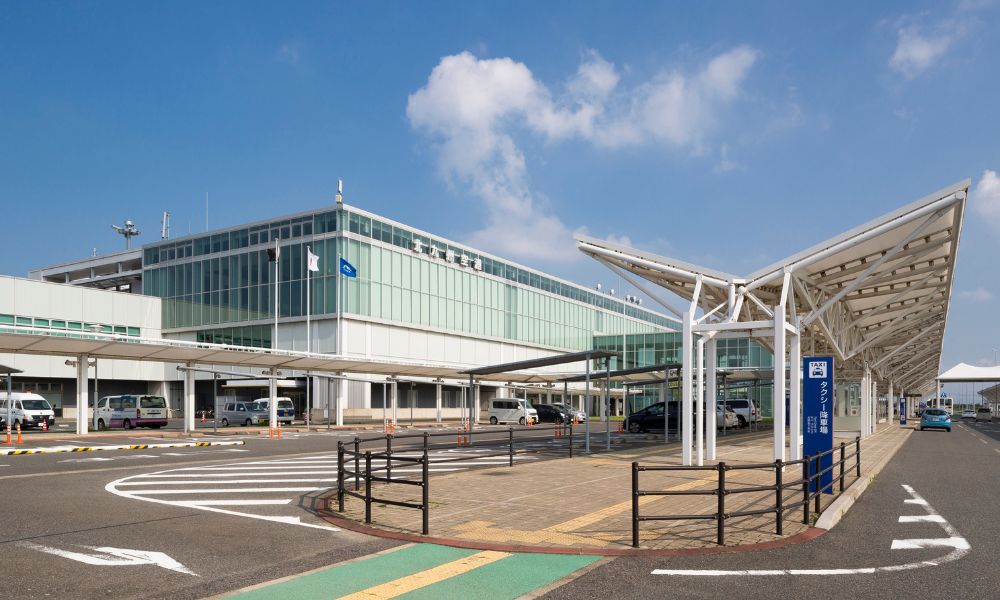
Most of Fukuoka’s cheapest houses sit outside Fukuoka City. Kokura Station in Kitakyushu is 16 minutes from Hakata by Shinkansen and about 2 hours 15 minutes from Shin-Osaka. Kitakyushu’s housing stock mostly dates from the 1960s to the 1980s, and sellers outnumber buyers, so prices rank among the lowest of any designated city in Japan. The city runs an active akiya bank, where Yahata, Moji, Kokura and Tobata show up most often in the sub-¥20 million listings.
The 2025 resident registers show how different Fukuoka’s towns have become. Fukutsu, on the corridor between Fukuoka City and Kitakyushu, added 0.59% to its population and has an aging rate of 27.5%. Omuta lost 1.79% of its residents and has an aging rate of 38.3%. Kama lost 2.25% (aging rate 41.5%), and Buzen lost 2.23%.
Kitakyushu has a catch though: there are fewer English-speaking agents than Fukuoka City. Plan on an interpreter or a bilingual judicial scrivener at the contract stage. Sumica’s multilingual team and its Zoom contract walk-throughs, which come with an English supplementary document, cover that gap.
What Is Driving Demand for Fukuoka Houses for Sale
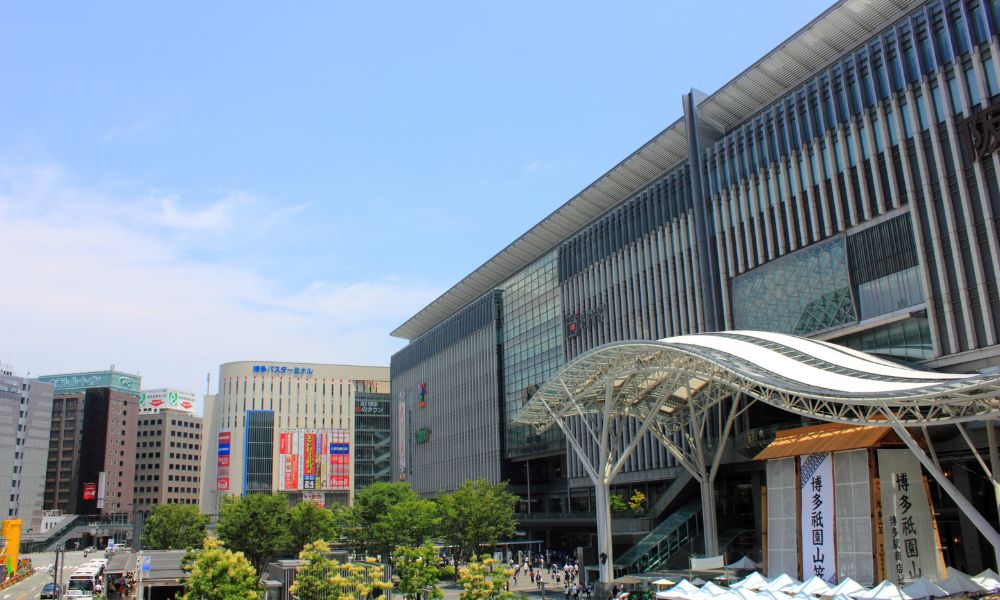
Redevelopment, the airport and a city government that goes after foreign founders all push demand up.
Redevelopment started with Tenjin Big Bang and Hakata Connected, public-private programs that use deregulation to pull high-grade offices and hotels into the two cores. The programs offer floor-area bonuses of up to 50% to projects finished by the end of 2026. The two districts move at different speeds. Tenjin gets bigger floor-area relaxation, while aviation height limits near the airport hold Hakata back. Sumitomo Life and Fukuoka Jisho finished the 113-metre, 24-storey Tenjin Sumitomo Life FJ Business Center on 30 June 2025, replacing office buildings from 1969 and 1978.
The airport sits about five minutes by subway from Hakata Station. The 2,500-metre second runway opened on 20 March 2025 and lifted annual capacity from 176,000 to 188,000 takeoffs and landings. Only 210 metres separate the two runways, so the land ministry reserved the new one mainly for international departures. Fukuoka International Airport Co. posted record results for April to September 2025, with operating profit up 40% to ¥6.1 billion and international flights up 12%. The operator wants 38 international routes by fiscal 2028, up from 23. That is a target, not a schedule.
Fukuoka’s startup policy also adds foreign residents. The Startup Visa drew 79 applications in 2022, second in Japan, and the city gives eligible foreign entrepreneurs a rent subsidy for homes and offices. Those founders and their staff need places to live.
Redevelopment also brings competition. Analysts linked the 2025 slowdown partly to weaker demand for detached houses and to new office supply from redevelopment projects.
Fukuoka Houses for Sale FAQs
Are Fukuoka houses for sale cheaper than houses in Tokyo or Osaka?
Yes. AkiyaHub’s Q1 2026 median listing price near ¥20.5 million (about $130,000) makes Fukuoka far cheaper than Tokyo or Osaka, and a new condo in Fukuoka City averages about ¥60 million against ¥137.84 million in Tokyo. The biggest savings show up under ¥20 million, where 996 houses had a median ask of ¥8.5 million in September 2026.
Which area of Fukuoka suits a first-time foreign buyer?
Start with your budget. A ¥6 to ¥10 million budget points to Kitakyushu and the fringe towns, where the sub-¥20 million listings cluster. A bigger budget opens Higashi, Minami and Nishi inside the city, and Higashi has the newest stock. Chuo and Hakata cost the most.
Is now a good time to buy a house in Fukuoka?
Prices still rise, only slower. The September 2026 prefectural survey showed land up 2.8% overall and 2.1% for residential land, and an appraiser said detached houses sold slower than high-end condos.
What rental yield can I expect from a Fukuoka house?
The published numbers cover apartments, not renovated houses. Global Property Guide shows a 4.77% gross apartment yield for Fukuoka in Q1 2026, one data vendor estimates 4% to 6.5% by neighborhood, and Akiya Japan reports 6% to 9% on older studios at listed prices. All of those are gross, before tax, repairs and management. Your real return depends on purchase price, renovation cost and rent, so Sumica builds a financial simulation for each property.
Put Sumica Behind Your Fukuoka Purchase
Finding a listing is the easy part. Closing, renovating and finding a tenant from another country is where overseas buyers lose time and money, so Sumica (Kanagawa Prefecture Governor License No. (1) 32314) runs the whole chain with one team.
It sources off-market houses that fit your budget, yield and rebuildability needs, shows them through photo and video reports or a live Zoom tour, and explains the Japanese contract with an English supplementary document. An affiliated judicial scrivener handles the registration, an escrow service holds your funds until closing, and after that Sumica takes over the renovation, tenants, rent and monthly reports. Support runs in English, Japanese and Chinese over WhatsApp and LINE, and the service flow lays out every step for your peace of mind.
Your Fukuoka house starts with one message to a bilingual team that finds the house and runs it for you: Contact Sumica now.