Si vous souhaitez acheter une maison au Japon en tant qu'étranger, cet article présente, étape par étape, le déroulement du processus. Étonnamment, tout commence par un e-mail, et non par un avocat. Grâce à Sumica, les acheteurs ont accès à des annonces hors marché, signent des contrats via Zoom avec des explications en anglais, versent un acompte de 5% et finalisent la transaction à distance en recourant à un compte séquestre et à un greffier, souvent sans même avoir mis les pieds dans la maison.
La simplicité apparente de ce processus peut surprendre la plupart des gens, car ils imaginent d’abord un véritable cauchemar avant même d’envisager l’achat d’une maison : des documents administratifs incompréhensibles et un système juridique qui semble avoir été conçu pour tout le monde, sauf pour eux. Il n’est donc pas étonnant que la recherche d’un logement au Japon de la part des étrangers s’arrête généralement à la consultation des annonces, avant même que quelqu’un ne leur explique concrètement la suite du processus.
C’est pourquoi, chez Sumica, nous avons rédigé ce guide afin de vous expliquer étape par étape le déroulement du processus, depuis le premier e-mail que vous envoyez jusqu’au jour où l’on vous remet les clés.
Le premier e-mail qui a tout déclenché

Sumica tient à jour une liste de biens immobiliers qui ne sont jamais publiés sur les sites d'annonces immobilières grand public. Il s'agit d'annonces auxquelles nous avons accès grâce aux relations que nous entretenons avec des vendeurs avec lesquels nous travaillons depuis des années, ainsi qu'à notre présence bien établie dans les petites villes, où les gens nous appellent avant tout le monde. Dans tous les cas, ces maisons sont proposées via une newsletter aux acheteurs qui nous ont déjà fait part de leurs critères de recherche.
Inscrivez-vous à notre newsletter ici.
Si quelque chose retient votre attention, il vous suffit de nous envoyer un message sur WhatsApp. Pas besoin de vous connecter à un portail, pas de formulaire d’inscription à vingt questions, pas besoin d’attendre qu’on vous rappelle pendant les heures de bureau japonaises alors que vous dormez à l’autre bout du monde. Quelqu’un vous répondra lorsque vous serez réellement prêt à discuter.
L'appel Zoom qui transforme une annonce en décision d'achat
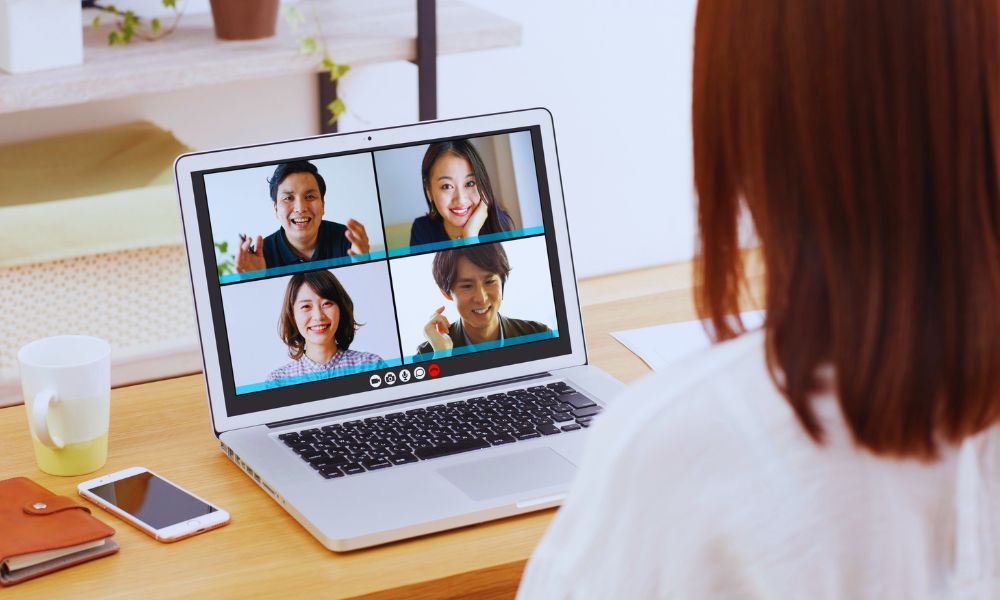
Une maison sur un écran n'est qu'une simple annonce. En revanche, une maison que quelqu'un a réellement visitée et qui peut répondre à des questions concrètes à son sujet devient un bien que l'on peut s'imaginer posséder.
C'est justement le but de l'appel Zoom avec Sumica. Un membre de notre équipe vous fait visiter les lieux. Vous vous faites ainsi une idée précise de l'état réel du bien, de l'ambiance du quartier et du coût réaliste d'une rénovation, si cela vous intéresse.
Et c’est aussi là que se résout généralement l’aspect le plus inquiétant de toute cette affaire. Le contrat est rédigé en japonais et a force de loi tel qu’il est rédigé, mais vous recevez une explication détaillée en anglais avant qu’on vous demande de signer quoi que ce soit. Personne ne se contente de vous tendre une application de traduction en vous souhaitant bonne chance.
Cela dit, sachez que ces appels durent souvent plus longtemps que prévu. Entre la présentation du bien, la lecture des clauses et les réponses aux questions qui peuvent surgir en cours de route, il est normal que cela prenne une heure. Nous préférons que l'entretien dure un peu plus longtemps plutôt que vous signiez un document que vous ne comprenez pas entièrement.
S'engager à acquérir un logement à l'autre bout du monde

Une fois que vous avez bien compris les termes du contrat, il est temps de vous engager. On vous demande de verser un acompte, généralement d’environ 5% du prix, à la signature. Effectuer un virement pour une maison dans laquelle vous n’avez jamais mis les pieds, dans un pays où vous ne vous trouvez peut-être même pas en ce moment, peut sembler étrange la première fois. C’est beaucoup moins intimidant une fois que vous avez eu cet appel sur Zoom, car vous ne signez pas à l’aveuglette. Vous savez déjà ce que vous achetez.
Le fait que nous ayons à notre actif de nombreuses transactions réussies, comme celle de ce bien immobilier à Matsudo, est également un atout :
https://akiya-sumica.com/property/chiba-matsudo/
Il est important de savoir dès le départ que les virements internationaux peuvent prendre plusieurs jours ouvrés avant d'être effectués. Si vous l'envoyez à la date limite, vous risquez de ne pas respecter ce délai. Nous conseillons à nos clients d'effectuer le virement dès que le montant et la date du versement sont confirmés.
Ceux qui travaillent en coulisses pendant que vous attendez
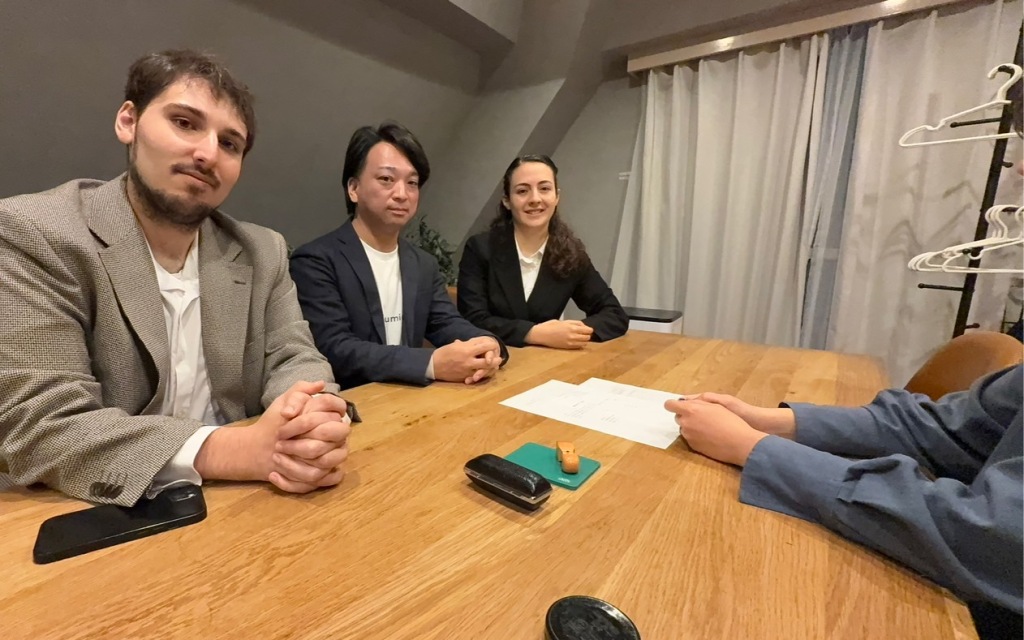
Deux éléments permettent à l'ensemble de cette configuration à distance de fonctionner correctement.
Tout d'abord, le jgreffier. Il s'agit du professionnel agréé chargé de procéder à l'enregistrement officiel du transfert de propriété auprès du Bureau des affaires juridiques. Nous n'avons pas inventé ce rôle pour lui donner un air officiel : il s'agit d'une véritable fonction juridique dans le cadre des transactions immobilières au Japon, et le fait de faire appel à un professionnel habitué à travailler avec des acheteurs étrangers garantit que vos documents seront correctement déposés dès la première fois.
Le deuxième élément est le dépôt fiduciaire. Votre argent est conservé sur un compte protégé jusqu’à ce que la transaction soit effectivement conclue, au lieu d’être versé directement au vendeur dès que vous validez un virement bancaire. Si vous envoyez de l’argent dans un système juridique qui ne vous est pas familier, ce détail-là est plus important que presque tout le reste dans ce contexte. Vous ne vous contentez pas de nous faire confiance. Vous faites confiance à un système conçu pour que personne ne puisse s’enfuir avec votre acompte.
Il faut toutefois savoir dès le départ que l’enregistrement auprès du Bureau des affaires juridiques n’est pas instantané. Cela peut prendre quelques jours supplémentaires si votre demande tombe à l’approche d’un jour férié national ou de la fin de l’exercice fiscal, périodes durant lesquelles les services administratifs sont submergés de demandes. Personne ne traîne les pieds exprès, c’est simplement ainsi que fonctionne la bureaucratie.
Jour de la signature alors que vous n'avez jamais mis les pieds dans la maison
Le jour de la signature correspond simplement au paiement du solde final, et c'est à ce moment-là que la propriété vous est effectivement transférée.
Votre argent est déposé sur un compte géré par le greffier ou l'agence chargée de la vente, et il y reste jusqu'à ce que toutes les conditions du contrat soient effectivement remplies. Vous devez toujours vous faire remettre une facture ou un reçu officiel pour chaque paiement effectué au cours de la procédure. Si une agence refuse de vous en fournir un, cela pose problème.
Le jour J, le notaire, le vendeur et votre mandataire signent ensemble les derniers documents. Comme vous n'êtes pas présent en personne, votre mandataire signe en votre nom. Dès que le notaire a déposé l'acte d'enregistrement auprès du Bureau des affaires juridiques, la maison vous appartient légalement.
Si vous n’êtes pas résident, vous disposez de 20 jours pour déclarer cet achat au ministère des Finances par l’intermédiaire de la Banque du Japon. Il s’agit d’une obligation légale prévue par la loi japonaise sur les changes et le commerce extérieur, et non d’une simple formalité administrative facultative. Nous nous chargeons de cette démarche pour nos clients afin qu’elle ne soit pas oubliée.
Puis vous recevez un message. Les formalités administratives sont réglées, la maison est à vous.
Que se passe-t-il une fois que l'on est propriétaire d'une maison au Japon ?
FAQ : Acheter une maison au Japon en tant qu'étranger
La suite dépendra de ce que vous souhaitez réellement.
Si vous êtes là uniquement pour devenir propriétaire de la maison, c'est tout. Personne ne vous oblige à souscrire à d'autres services.
Si vous avez besoin d'un accompagnement continu, Sumica peut également vous l'offrir, car nous sommes un prestataire de services de bout en bout, capable d'accompagner nos clients depuis la recherche de fournisseurs jusqu'à rénovation, la gestion immobilière, voire la revente.
Côté rénovation, Sumica vous met directement en relation avec des architectes et des entrepreneurs, ce qui vous évite d’avoir à rechercher un entrepreneur sur Google dans une langue que vous ne maîtrisez pas. Si votre objectif est de percevoir des revenus locatifs, ils trouvent des locataires dès la fin des travaux et gèrent ensuite le bien, en collaboration avec des sociétés de garantie de loyer, afin que vous n’ayez pas à courir après les paiements depuis l’étranger. Vous recevez également des rapports de performance qui vous permettent de suivre concrètement l’évolution de votre investissement, et non pas de vous contenter d’une vague impression que « tout va bien ».
Et si, un jour, vous souhaitez vous en séparer, tout est prévu pour cela. Lorsque vous déciderez de vendre, l'équipe qui vous a aidé à acheter sera là pour s'occuper de la revente.
Il ne s'agit en aucun cas d'une société distincte que vous devrez rechercher une fois la transaction conclue. Il s'agit du même partenariat, qui entre simplement dans une nouvelle phase, avec un accompagnement en anglais, en japonais et en chinois tout au long du processus.
Prêt à acheter une maison au Japon en tant qu'étranger ? Contactez Sumica maintenant.

Dois-je me rendre au Japon en personne pour acheter cette maison ?
Si vous achetez via Sumica, pas du tout. Vous pouvez tout faire, de la recherche du bien à la signature de l'acte de vente, sans prendre l'avion. Visites virtuelles, appels Zoom pour le contrat, signature à distance : tout est conçu pour les personnes qui ne se trouvent pas au Japon pendant cette période. Certains clients se rendent tout de même sur place avant ou après l'achat, mais rien ne vous y oblige.
Qu'est-ce qui protège mon argent lors d'un achat immobilier à l'étranger ?
Compte séquestre. Votre argent est conservé sur un compte protégé jusqu'à la conclusion effective de la transaction ; il n'est donc pas versé directement au vendeur dès que vous effectuez le virement.
Quel montant dois-je verser d'avance pour réserver un bien immobilier ?
Environ 5% du prix d'achat, à régler à la signature du contrat.
Qui s'occupe des formalités administratives liées au transfert officiel de propriété ?
Un notaire immobilier, c'est-à-dire le professionnel agréé chargé d'enregistrer le transfert de propriété conformément à la législation japonaise. Il travaille en étroite collaboration avec notre équipe jusqu'à la conclusion de la transaction afin de s'assurer que tous les documents sont correctement déposés.
Comment puis-je me renseigner sur des biens immobiliers avant leur mise en vente officielle ?
Grâce à notre lettre d'information. Nous vous envoyons des annonces immobilières qui ne sont jamais publiées sur les sites d'annonces immobilières grand public, et vous pouvez répondre à cet e-mail ou nous envoyer un message sur WhatsApp dès qu'une annonce retient votre attention.

![Pourquoi il ne faut jamais choisir un bien immobilier en se basant uniquement sur son rendement brut [Leçon pour investisseurs #6]](https://akiya-sumica.com/wp-content/uploads/2026/10/3-2-300x180.jpg)
![Pourquoi les bons biens immobiliers japonais se vendent en quelques jours [Leçon pour les investisseurs #1]](https://akiya-sumica.com/wp-content/uploads/2026/09/2-1-300x180.jpg)