This quick insight was originally published in our Sumica Weekly newsletter.
“I want a cheap Shinjuku fixer-upper.”
We hear this request quite a lot. It is perhaps the single most common misunderstanding in the Japanese real estate market today.
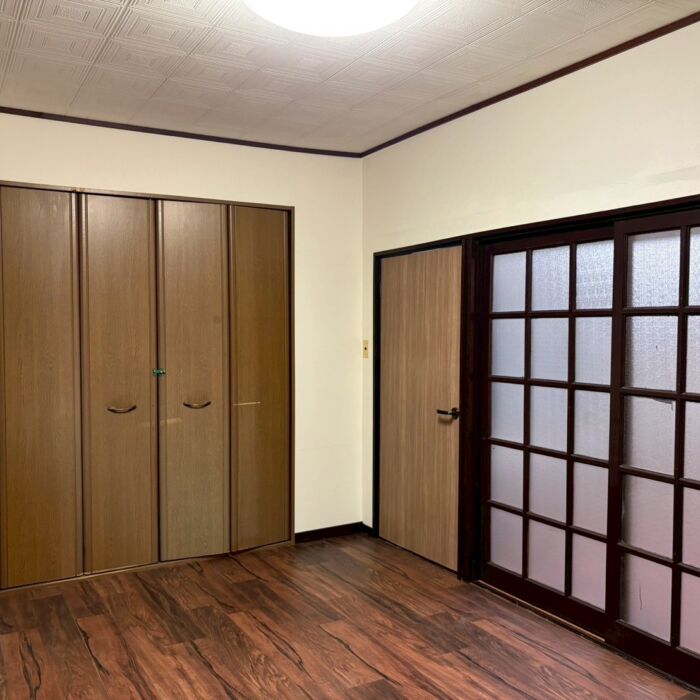
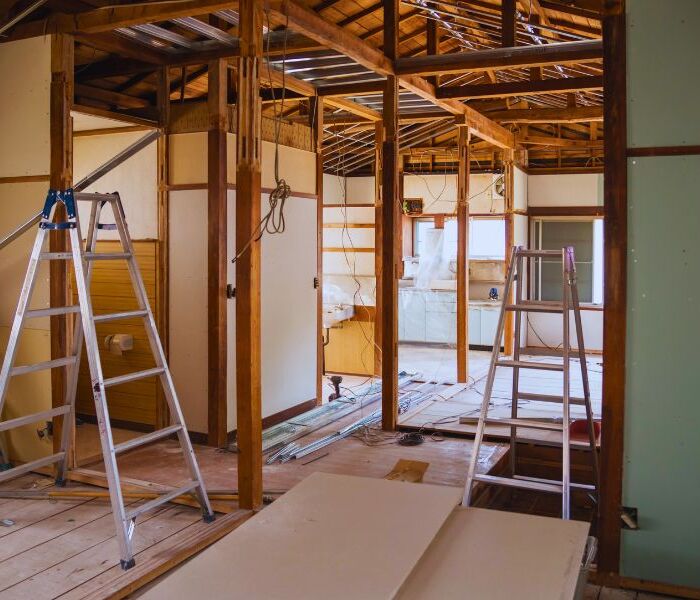
The confusion stems from the word “Akiya” itself. In rural Japan, an Akiya is synonymous with “cheap.” But in Prime Tokyo, an Akiya is usually just expensive land with a demolition bill attached.
If you are hunting for a bargain in the capital, you need to understand the Prime Location Reality.
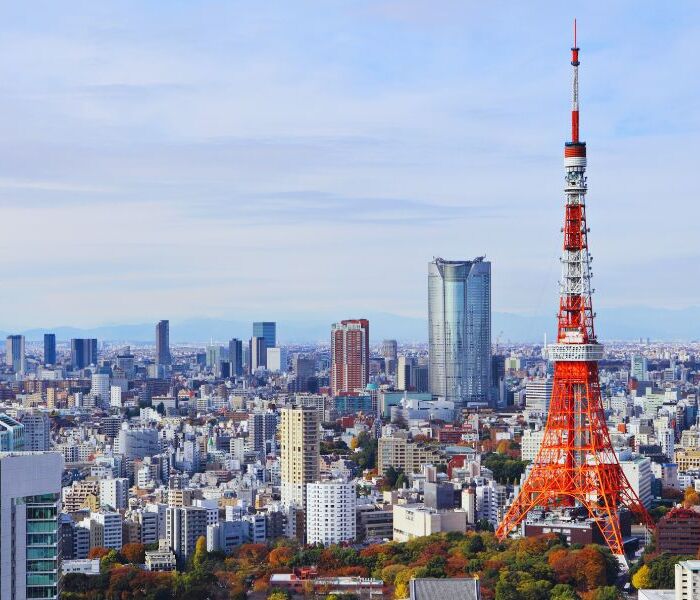
First, you have to respect the “Yamanote Rule.” Inside the major train loop that connects hubs like Shinjuku and Shibuya, land demand is relentless. When you see an abandoned house in these areas, it is not priced based on the rotting wood or the need for renovation. It is priced based on the platinum zip code.
In these zones, you are often looking at $300,000 or more just for the dirt. The condition of the house is almost irrelevant to the price tag.
You might wonder why these prime properties sit empty if the land is so valuable. Often, it is not because nobody wants them. It is because they are “stuck” assets.
Many of these homes are legally complicated. They might sit on narrow roads that legally ban rebuilding, meaning the land loses most of its value the moment the current house is demolished. Others are tied up in complex, decades-long inheritance feuds that make a sale impossible.
If you want the classic “cheap Japan house” experience where you can buy low and renovate, you need to look at the suburbs. Areas like Hachioji, Machida, or Chiba are where the real Akiya market actually exists.
In Shinjuku, you are not buying a house. You are buying an asset class.
At Sumica Inc., we help you align your budget with the right neighborhood so you stop chasing ghosts. Ready to start a realistic search? Tap the link below.
想获取更多此类市场洞察吗?我们每周都会向订阅用户发送独家非公开房源精选、投资策略及本地数据。 点击此处订阅《Sumica Weekly》邮件列表 这样您就不会错过任何更新。