Homes for sale in Osaka cost a lot more than they did two years ago, jumping 6.7% in 2024 to 2025 alone after a decade of barely moving. What’s actually on the market depends heavily on where you look too. You have everything from glassy condo towers in Umeda, cramped rental units in Namba, half-finished regeneration projects in Tennoji, and older family houses further south.
In this blog, we are giving you a real picture of what your money buys here and where it buys it. A unit priced well in Nishinari and a unit priced well in Kita are built on different assumptions about who’ll rent it and how fast it’ll appreciate. And if the last time you looked at this city was 2019 or 2020, you’re working off numbers that don’t apply anymore.
A Decade of Flat Prices, a Pandemic Dip, and a Sudden Acceleration
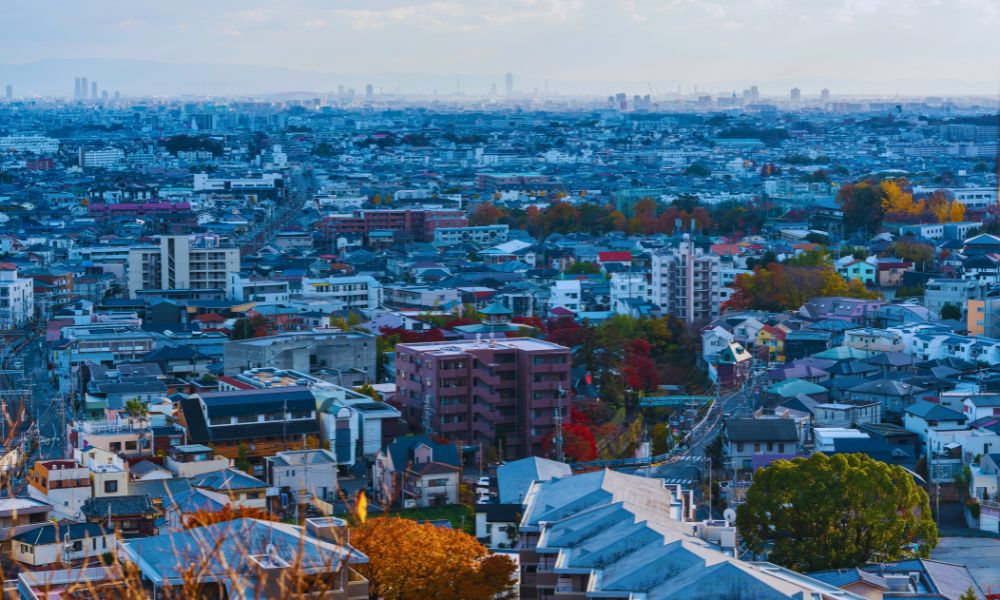
For most of the 2010s, Osaka land prices barely budged. Citywide averages crept up around 1.1% a year between 2016 and 2023, which barely beats inflation. Osaka was steady.
Then the pandemic hit, and Osaka took a harder hit than most Japanese cities. The economy here leans heavily on inbound tourism, so it was hit hard when the borders shut. Osaka Prefecture posted its second straight year of falling land values in the 2022 survey, down 0.2%, even as the national average finally turned positive after two years in the red. Yes, that means that while Japan as a whole was bouncing back, Osaka was still sinking.
Of course, that didn’t last. Once the borders reopened and tourists came back, Osaka didn’t just recover, it blew past its pre-pandemic pace. Land values rose 4.2% between 2023 and 2024, then 6.7% between 2024 and 2025, and then 6.4% between 2025 and 2026.
Zoom out to the full decade and the shift is obvious: Osaka’s average land price went from roughly 231,600 yen per square meter in 2016 to about 300,900 yen per square meter in 2026, a 29.9% climb. Three of the strongest years in that entire ten-year run happened back to back to back, right at the end of it. And that is why if you’re pricing Osaka against what it cost five years ago, you’re going to be surprised.
What's Driving the Price Jump in Homes for Sale in Osaka
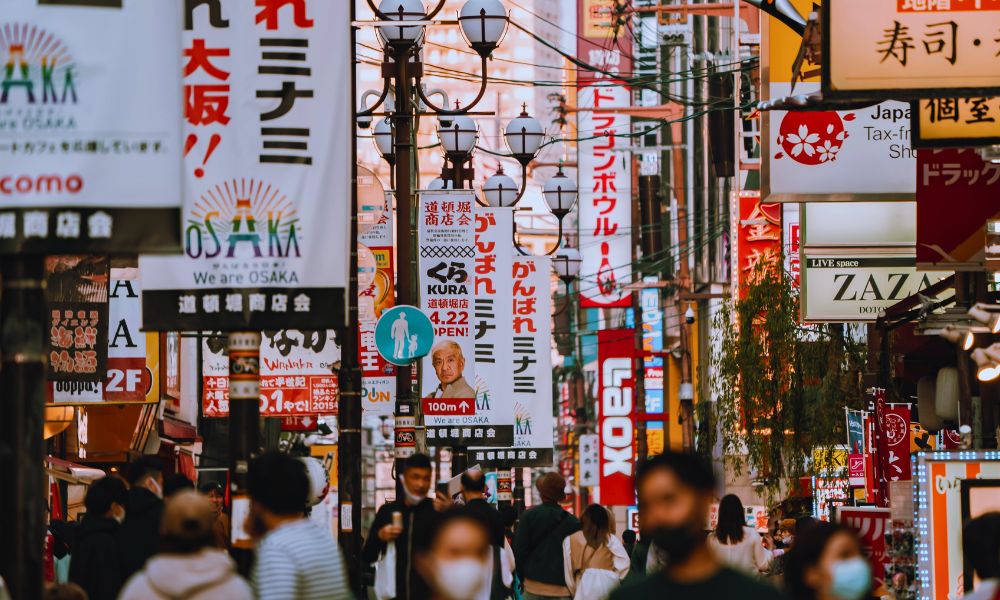
Expo 2025 is a big part of this. The event pulled in over 25 million visitors to the Yumeshima site before it closed in October, and something on that scale doesn’t just fill hotel rooms for a season. It pulls infrastructure spending forward. Osaka spent years building toward this, and the property market started pricing it in long before the Expo gates ever opened.
Obviously, the Expo ended about a year ago, but the Yumeshima Integrated Resort is still keeping the momentum going after the Expo crowds went home. It’s under construction now but is set to become Japan’s first casino resort.
Then there’s the yen. It’s no news that the currency’s value has dropped significantly over the years, making Japanese property cheap for anyone holding dollars, euros, or most other major currencies. Foreign money poured into Japanese real estate hit 10.2 billion dollars in 2024, up 45% in just the first half of the year. Osaka, as the cheaper alternative to Tokyo, has soaked up a good chunk of that.
Before you get excited, it is worth clarifying that none of this moves fast on the ground. Ward offices processing permits, management associations dragging their feet on approvals, contractors booked out months in advance because everyone’s chasing the same renovation crews at once.
How Far Osaka Yen Still Goes Compared to Tokyo
Trying to figure out where your budget actually fits in this market? Tell us what you’re looking for and we’ll help you find it. Chat with Sumica on WhatsApp.
Even with the recent run-up, Osaka’s still the cheaper of Japan’s two big cities. The national average rental yield sits around 4.2%, and Osaka usually lands above that mark alongside Fukuoka, while central Tokyo trails behind closer to 3.5%. That gap isn’t small once it compounds over ten or fifteen years of holding a property.
The population numbers back this up too. Osaka City keeps adding residents and households while a lot of regional Japanese cities are shrinking. Positive net migration, more single-person households pulling extra units into demand, and a growing foreign-resident population are all part of it, and the redevelopment happening around Umeda is following that demand.
Osaka by District: Prices, Character, and What's Actually For Sale
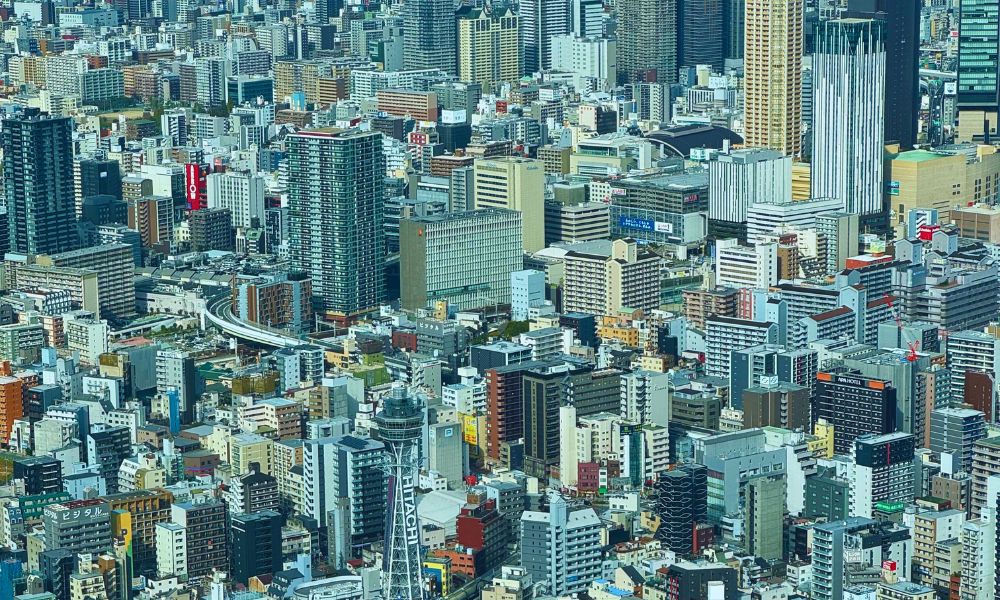
Kita and Umeda: Osaka's Business-District Condo Market
Kita ward, built around Umeda station, is where the skyline is actively changing. This is high-rise condo territory, mostly new-build ‘mansion’ towers aimed at people who want to be close to Osaka’s biggest transit and business hub. Redevelopment here is well funded and constant, and the per-square-meter prices run well above the citywide average because of it. People buying here are usually thinking about renting to business tenants or wanting a personal foothold near the center, not chasing a bargain.
Namba and Chuo: Buying Where the Tourists Are
Namba and Chuo is popular among tourists and nightlife crowds. What’s for sale reflects that, with smaller units and older buildings. It would make sense for the area to attract some buyers who purchase specifically to run short-term rentals. Osaka’s tourism rebound also shows up here first and hardest. You’ve got to think like an operator here, not just a homeowner, because the returns come down to how well the unit gets managed, not just where it sits.
Tennoji and the Neighborhoods Still Catching Up
Tennoji sits in the middle. Redevelopment is happening, but pricing still hasn’t caught up to what Kita or Namba command. If you’re willing to buy into a neighborhood before it finishes transforming rather than after, this could be where that bet plays out. That said, we’d caution you against expecting the timeline to perfectly match the marketing. The housing stock is a mix, newer buildings sitting next to older mid-rise ones still waiting their turn.
Sumiyoshi, Nishinari, and Osaka's Quieter, More Affordable Corners
Further south, Sumiyoshi and Nishinari, along with a handful of other outer wards, hold Osaka’s older housing stock: standalone houses, aging low-rise apartment blocks, and the occasional machiya, all priced well under the citywide average. A different kind of buyer shows up here, usually someone who wants a family home or a long hold, not fast rental income. Lower prices come with older buildings, slower redevelopment, and station access that doesn’t compare to Kita or Namba.
Not sure which district fits your goals? Tell us what you’re looking for and we can help. Chat with Sumica on WhatsApp.
Homes for Sale in Osaka FAQs
Which Osaka ward has seen the biggest jump in land prices?
Fukushima-ku leads by a wide margin, with land values up 108.2% from 2016 to 2026. Naniwa-ku, Chuo-ku, and Kita-ku have also posted strong double-digit gains over the same period, while outer wards like Hirano-ku have barely moved.
Which Osaka ward offers the best value for a first-time international buyer?
It depends on what you want from the property. Namba and Chuo suit short-term rental income, Tennoji suits buyers comfortable waiting on a neighborhood still catching up, and wards like Sumiyoshi suit buyers prioritizing affordability over growth.
Does buying property in a tourist-heavy district like Namba mean I have to run it as a short-term rental?
No. You can live in it or rent it long-term. Just know that units in Namba tend to run smaller and older, since the building stock there was shaped by short-term rental demand.
Getting the Right Japan Property for Your Actual Goal
Reading price charts and touring wards on a map only gets you so far. The properties that actually fit a specific goal rarely show up at the top of a public listings search. They come through local connections, off-market deals, and someone actually checking whether the building is worth renovating in the first place.
That’s where Sumica comes in. We source properties directly, screen each one for budget, yield, and rebuildability, then manage everything from renovation to leasing and resale under one roof. Over 1,100 completed projects, all run for owners who aren’t standing in the property themselves.
Osaka’s market has moved fast the last two years, and the good properties aren’t the ones sitting at the top of a Google search. Chat with Sumica on WhatsApp.