Buying a house in Tokyo doesn’t have to mean spending ¥80 million or more. Head west into the Tama region, and you’ll find a very different housing market. It’s a great place to start your search for a Tokyo suburbs house.
According to the Real Estate Information Network for East Japan (REINS), the average transaction price for an existing detached house in the Tokyo 23 wards was ¥78.09 million in the second quarter of 2026. In Tama, the average was ¥41.65 million. That’s a difference of more than ¥36 million.
The gap is also visible in the size of the properties sold. During the same period, existing houses in Tama had an average land area of 143 square meters, compared with around 90 square meters in the 23 wards. Average building sizes were almost identical, at approximately 101 square meters in Tama and 99 square meters in the 23 wards. So, buyers in Tama were generally getting a larger plot without giving up indoor space.
Of course, not every part of Tama offers the same prices. Below, we look at five cities in the region, each with a different housing market and its own advantages and trade-offs for buyers.
Where to Look for a House in Tama
Hachioji
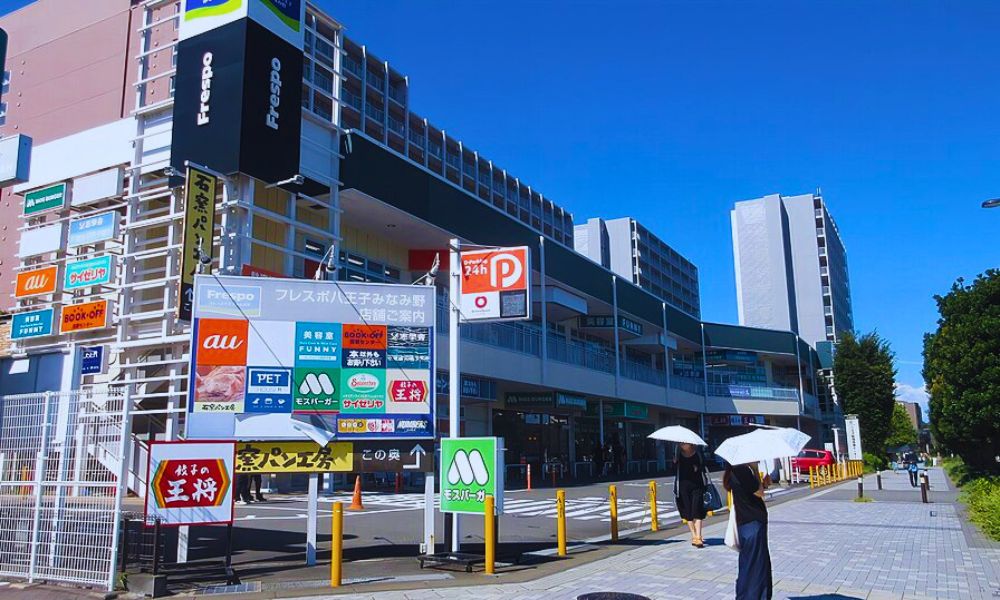
Hachioji has the lowest median detached-house sale price of these five cities. In 2025, the median was ¥34 million, based on 544 recorded transactions, according to Property Research’s Hachioji housing market report.
It has one of the largest concentrations of universities in the Tama region. According to Hachioji City, the city has 21 universities, junior colleges, and technical colleges, with approximately 90,000 students. The University Consortium Hachioji includes institutions such as Chuo University, Tokyo Metropolitan University, Teikyo University, Soka University, and Tokyo University of Technology.
That creates a substantial education-related population, but investors need to be careful about the type of property they are targeting. Students generally create demand for smaller apartments close to their campuses or convenient bus routes. A detached house’s potential tenants are more likely to be university employees, researchers, or households working elsewhere in Hachioji.
For investors targeting workers who commute to central Tokyo, the area around Hachioji Station is the main transport and commercial center. The station is served by the JR Chuo, Yokohama, and Hachiko lines. Hachioji is a large city, though, and a property in a more distant neighborhood may rely heavily on buses or cars.
The Hachioji-Minamino area forms part of Hachioji New Town, a planned development that began in 1988. Hachioji City’s local area profile describes the station area as a commercial center, with detached housing and public educational facilities. There are even company research facilities in the surrounding district, giving the area a more identifiable mix of residential and employment uses. The UR Urban Renaissance Agency’s account of Hachioji New Town also documents the area’s planned development and commercial facilities.
For transactions from 2023 to 2025, the median detached-house price around Hachioji Station was ¥28 million, compared with ¥64 million around Hachioji-Minamino Station, according to the station-level data in Property Research’s report.
Machida
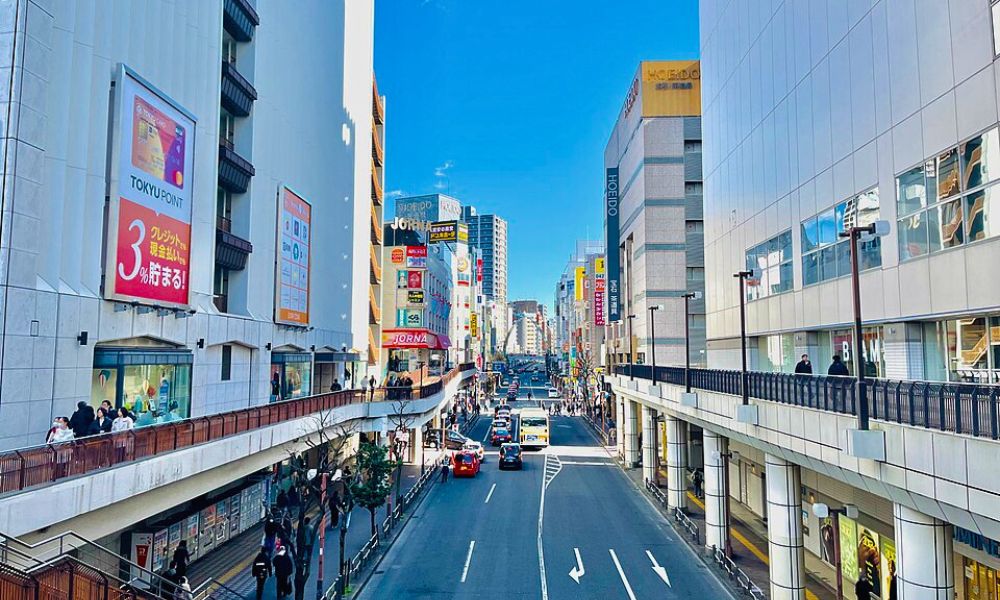
Machida’s median detached-house sale price was ¥43 million in 2025, based on 425 recorded transactions, according to Property Research’s Machida housing market report.
The city is a significant commercial and transport center for southwest Tokyo and neighboring Kanagawa. It is served by the Odakyu Odawara Line, JR Yokohama Line, Tokyu Den-en-toshi Line, and Keio Sagamihara Line. The Tokyo Tama relocation portal’s Machida profile describes it as a commuter town for Tokyo and Yokohama, with a major commercial district around Machida Station and numerous universities across the city.
According to Machida City’s industrial structure statistics, the city also has substantial local employment: wholesale and retail accounted for 21.2% of its workers in 2021, while medical and welfare accounted for another 20.1%. So, the potential tenant market is not limited to people commuting into central Tokyo. A house with convenient access to Machida Station may also appeal to people working in the city’s commercial and service industries.
The station-level house prices show how much the location changes the purchase cost. Between 2023 and 2025, the median detached-house sale price was ¥44.5 million around Machida Station, ¥38 million around Tsurukawa, and ¥49 million around Minami-Machida Grandberry Park. Naruse was higher at ¥49.5 million. These figures are from Property Research’s station-level transaction data, and cover a different period from the 2025 city median.
Around Machida Station, the strongest argument is access to the commercial center and connections toward both Tokyo and Yokohama. Minami-Machida Grandberry Park is on the Tokyu Den-en-toshi Line, and the station area includes the Grandberry Park shopping and leisure complex. A house there may appeal to tenants who want access to that local center and the Den-en-toshi Line, but that is reflected in the premium prices as well.
Tachikawa
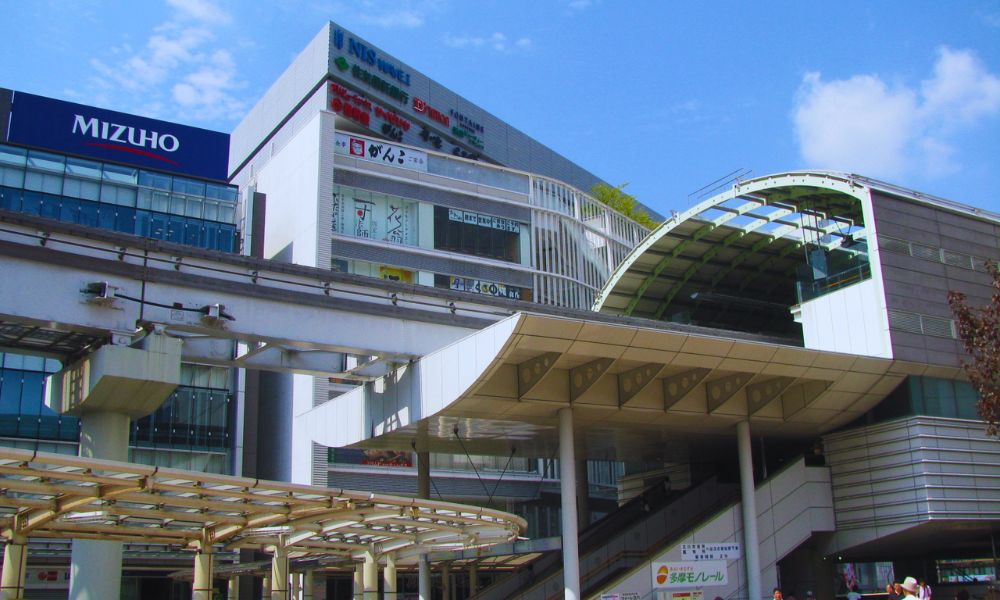
Tachikawa is one of the main commercial centers in western Tokyo. JR Chuo, Nambu and Ome lines serve the city, along with the Seibu Haijima Line and Tama Monorail. This creates a potential tenant market beyond people who commute to central Tokyo.
Tachikawa Station also has a large concentration of shops, restaurants and other services according to Tachikawa City’s planning documents. So, the station area is an important employment center in its own right.
The city’s median detached-house sale price was ¥45 million in 2025, based on 171 recorded transactions. But the station-level transaction figures show a considerable difference between the center and some of the outlying areas. Between 2023 and 2025, the median detached-house sale price was ¥54 million around Tachikawa Station, compared with ¥38 million around Musashi-Sunagawa and ¥40 million around Seibu-Tachikawa.
Fuchu
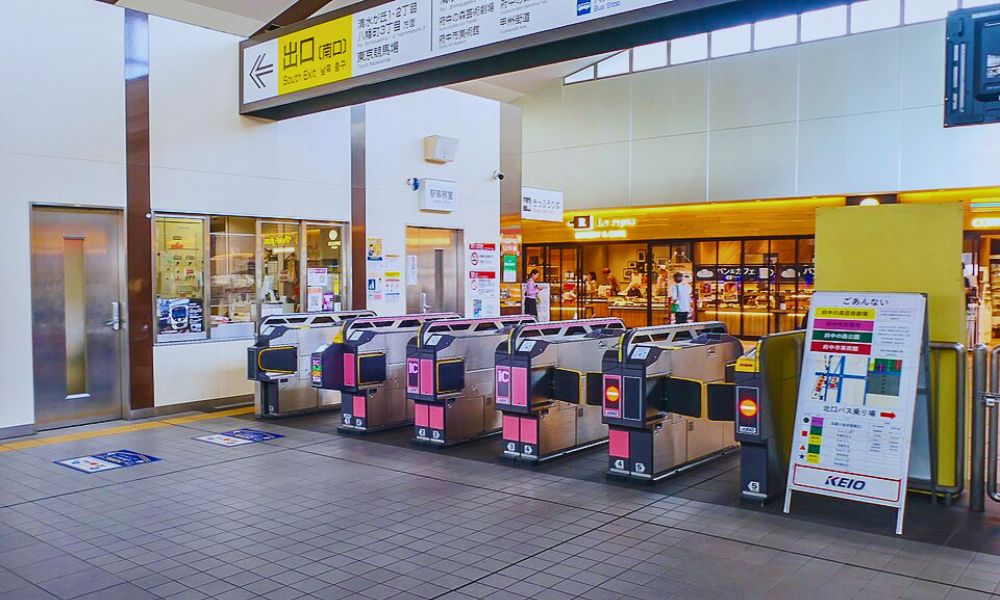
Fuchu’s median detached-house sale price was ¥50 million in 2025, based on 234 recorded transactions. Manufacturing is one of the city’s major industries, and the city is home to Toshiba’s large Fuchu facility. Fuchu City’s industrial structure report provides an overview of local industries, while the Tokyo Metropolitan Government’s Toshiba facility profile describes the scale of the Fuchu site and its workforce.
For transactions from 2023 to 2025, Property Research’s station-level data shows that the median detached-house sale price was ¥60.5 million around Fuchu Station, ¥59.5 million around Bubaigawara, and ¥46 million around Nakagawara. Around Koremasa, it was ¥41 million.
Kunitachi
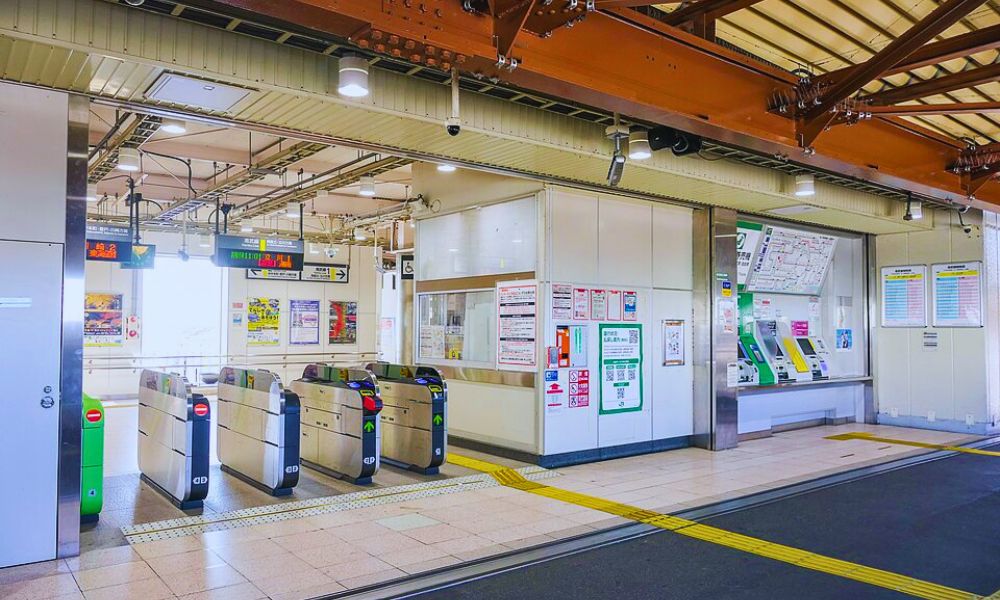
Kunitachi has the highest median detached-house sale price of these five cities. In 2025, it was ¥60 million, based on 51 recorded transactions. Obviously, a handful of higher- or lower-priced transactions can have a noticeable effect on the annual median, but it is still useful as a comparison with the other cities.
Transport divides Kunitachi into two quite different markets. Kunitachi Station is on the JR Chuo Line, while Yagawa and Yaho are on the JR Nambu Line. The station-level house prices reflect that difference. Between 2023 and 2025, the median detached-house sale price was ¥67 million around Kunitachi Station, compared with ¥55 million around Yagawa and ¥53.5 million around Yaho. For investors targeting commuters, a property near Kunitachi Station has the advantage of the Chuo Line, which reaches Tokyo Station in just under an hour.
Get exclusive off-market listings in the Tama area by joining Sumica’s newsletter.
Tokyo Suburbs House FAQs
Is Tama part of Tokyo?
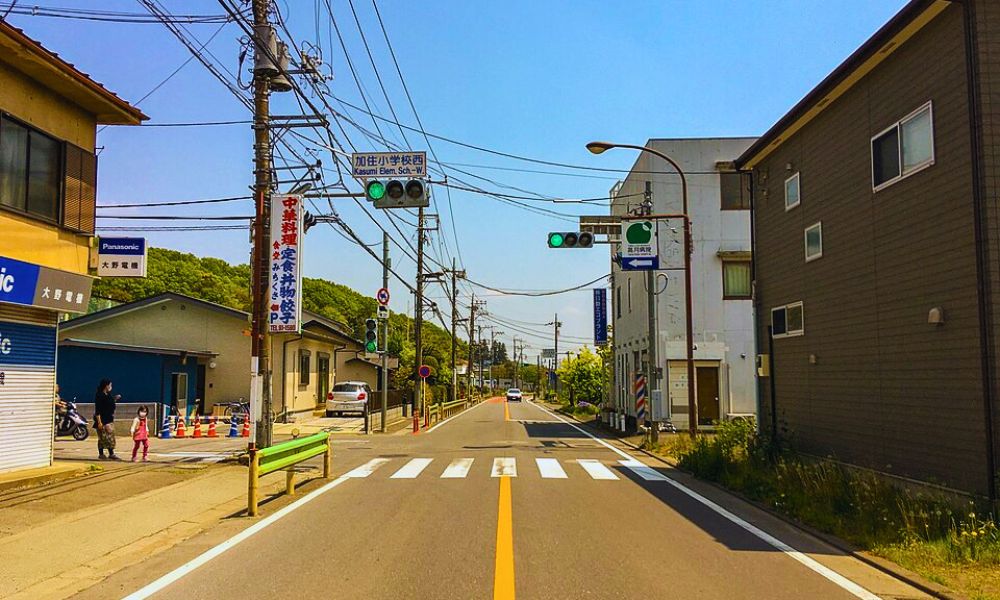
Yes. Tama is the western mainland region of Tokyo Metropolis. It is separate from the central 23 wards, but it is still administratively part of Tokyo
Which city in Tama is cheapest for buying a house?
Among the five cities in this article, Hachioji had the lowest 2025 median detached-house sale price at ¥34 million.
Can you commute to central Tokyo from Tama?
Railway lines including the JR Chuo Line, Keio Line and Odakyu Line connect parts of Tama with central Tokyo.
Is buying an older house in Tama a good investment?
It can be, but the purchase price alone doesn’t tell you if a property is a good investment. You need to assess its structural condition, rebuilding status, renovation costs, local rental demand and potential yield before committing.
Is Tama better value than the central 23 wards?
For buyers looking for detached houses and larger plots, Tama can offer considerably more space for less money. However, properties near major stations and in established residential areas can still be expensive.
Find the Right Tama Property with Sumica
To find a suitable house in Tama, you need to understand the local market, check the property’s legal and physical condition, and work out whether renovation costs make sense for your plans.
Sumica helps international buyers source and assess properties in Japan, including opportunities that aren’t advertised on public listing websites. We review location, rebuilding status, renovation costs and potential yield before you commit. Our support also covers renovation planning, tenant placement, rent collection and ongoing property management.
If you’re considering buying a house in Tokyo’s Tama region, we can help you assess the options and avoid properties that look inexpensive but come with expensive problems.