Chiba might seem like an unlikely place to find so many vacant houses. It borders Tokyo, has several major commuter cities and is home to Narita International Airport. Yet the prefecture had approximately 394,000 vacant homes in 2023, equal to 12.3% of its total housing stock.
Around 159,000 fell into the category of vacant homes outside the rental, sales and second-home markets, meaning that they are sitting unused (though not necessarily available to investors).
Much of Chiba’s vacant housing stock dates back to Japan’s post-war economic boom. As Tokyo attracted workers from across the country, nearby prefectures took on much of the residential growth. Chiba became a popular place for families who wanted more space outside the capital.
Cities such as Matsudo, Funabashi and Ichikawa grew into commuter towns. Developers built large housing estates, detached family homes and apartment blocks to meet demand. Matsudo’s Tokiwadaira housing estate, for example, began accepting residents in 1960.
Many of those homes now form part of Chiba’s ageing housing stock, but the picture changes further from Tokyo. As parts of central, eastern and southern Chiba face population decline, ageing communities and fewer local jobs, vacant houses reflect a drop in the number of people who want to live nearby.
What Are Akiya in Chiba Actually Like?
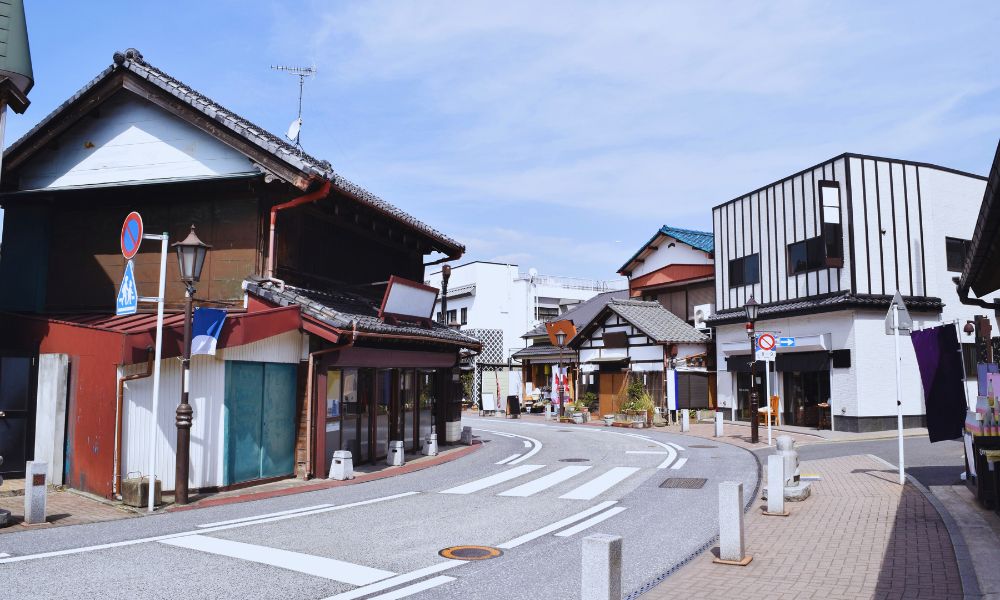
Forget the idea that every akiya in Chiba looks like a traditional farmhouse surrounded by rice fields. Much of the prefecture’s residential stock consists of ordinary detached houses built during the post-war suburban expansion.
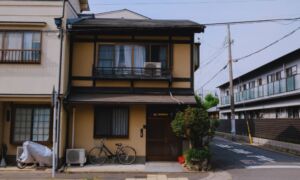
In cities such as Matsudo and Funabashi, investors may come across two-storey wooden family homes with small gardens, concrete boundary walls and traditional Japanese rooms. Many date from the 1960s, 1970s and 1980s. Inside, you might find tatami flooring, older kitchens, tiled bathrooms and sliding doors. It is also common for owners to have updated individual rooms or building systems over the years.
These homes often have familiar family layouts, with living and dining space downstairs, bedrooms upstairs and a small outdoor area.
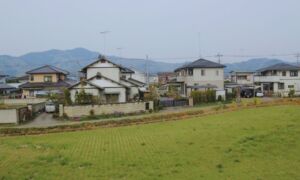
Further inland, particularly around agricultural communities such as Yachimata, detached houses can sit on larger plots. Some have parking, storage buildings or gardens. Residents often rely on cars for everyday trips, so the local rental market depends more on nearby jobs and amenities than on direct access to Tokyo.
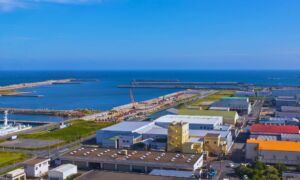
Coastal Chiba has a different mix of properties. Around Tateyama, Minamiboso and parts of the Kujukuri coastline, you may find houses originally built as second homes or holiday residences. These can have larger outdoor areas and layouts suited to leisure use.
Where to Look for Akiya in Chiba
For investors who want access to Tokyo, northwestern Chiba deserves attention. Matsudo, Ichikawa, Funabashi and Kashiwa have established residential populations and railway connections into the capital. They also offer access to jobs, universities, shops and everyday services.
For example, Sumica completed an investment project in Matsudo

The property stood in Shimoyagiri and consisted of a two-storey wooden house built in 1964, around six minutes on foot from Yagiri Station. Its age meant that renovation work was necessary, but the station access gave it a clear rental market to target.
Further east, the Inba area includes Narita, Sakura, Inzai and Shiroi. Narita International Airport provides an important source of local employment, while residential developments and commuter services support housing demand. Chiba New Town, which spans parts of Funabashi, Shiroi and Inzai, is a major planned residential development.
Central Chiba offers another type of property market. Yachimata, Togane and surrounding communities have a stronger agricultural and regional residential character. Yachimata combines a central urban area with extensive surrounding farmland. The city is known for peanut production, and its housing market includes local households, commuters and residents who rely on cars for daily travel.
Further west, Kisarazu, Sodegaura, Kimitsu and Ichihara have links to industrial employment and the wider Tokyo Bay region. The Tokyo Bay Aqua-Line connects Chiba with Kanagawa, while local roads and railway services link residential areas with workplaces and shopping centres.
Meanwhile, the southern and eastern coastal areas, which includes Kamogawa, Katsuura, Tateyama, Minamiboso and Isumi attract visitors and people interested in coastal living. Some properties may suit holiday accommodation, but you should check actual demand before building a property rental business plan around tourists.
Getting from Chiba to Tokyo: Routes, Fares and Commute Times
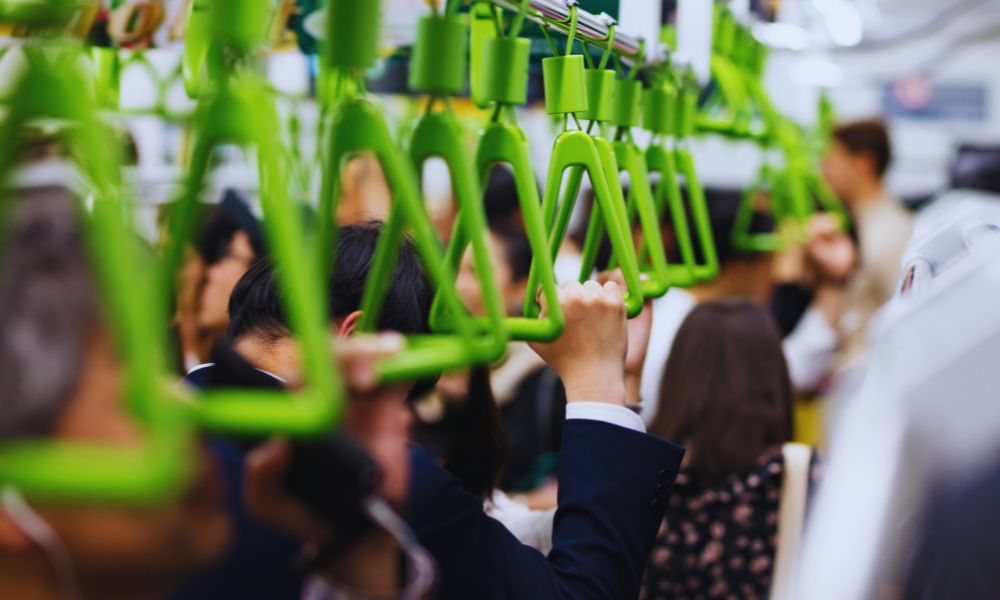
To start, it helps to know where these lines take commuters. Tokyo Station, for one, is a major transport hub, close to the Marunouchi and Otemachi business districts, which are particularly important employment centres, with a high concentration of corporate offices, banks and financial firms. They’re very much salaryman territory.
Northwest Chiba: Ichikawa, Funabashi and surrounding areas
This is among the best-connected parts of the prefecture. The JR Sōbu Line runs towards Tokyo Station, while the Tokyo Metro Tōzai Line connects areas such as Nishi-Funabashi directly with Ōtemachi and Nihombashi. Depending on the starting point and service, journeys into central Tokyo can take around 20–40 minutes, with fares generally in the ¥300–600 range. These are realistic daily commutes for people working in central Tokyo
Northern Chiba: Matsudo and Kashiwa
The JR Jōban Line connects this area with Ueno and Tokyo via the Ueno-Tokyo Line. Journeys to Tokyo Station generally take around 30–45 minutes, with fares roughly ¥440–600. This is also a practical commuting area, particularly for people working around Ueno, Tokyo Station and the eastern side of central Tokyo.
Central and western coastal Chiba: Chiba City and the bay area
The JR Sōbu Rapid Line connects Chiba Station with Tokyo Station in around 40 minutes, costing approximately ¥720. The JR Keiyō Line also serves the coastal corridor, including areas such as Kaihin-Makuhari, and reaches Tokyo Station in roughly 30–45 minutes.
Eastern and southern Chiba: Yachimata, Kisarazu and beyond
This is where commuting becomes less straightforward. From inland towns such as Yachimata, ordinary trains to Tokyo can take around 1 hour 20 minutes, often via Chiba, with fares around ¥1,100–1,500. Limited express services are faster but cost more and run less frequently. Around Kisarazu, highway buses to Tokyo Station can take roughly an hour and cost around ¥1,500, but traffic on the Tokyo Bay Aqua-Line can make the trip unpredictable.
People do make these longer journeys, but I wouldn’t assume a property in eastern or southern Chiba will attract the same Tokyo commuter market as one in Ichikawa or Funabashi.
Chiba-Specific Risks: Typhoons, Coastal Exposure and Building Conditions
Chiba takes direct hits from typhoons, as residents were reminded when Typhoon Faxai struck in September 2019. The storm damaged roofs, brought down trees and caused widespread power outages. For older vacant houses, roof tiles, exterior fittings, drainage and overgrown trees deserve particular attention.
Chiba’s coastal properties face additional wear from salt air, which can corrode metal fittings, railings and exposed equipment. Inland and coastal areas also have different land-related risks. For example, low-lying parts of the prefecture can face flooding and liquefaction, while properties on the Boso Peninsula may have steep access roads, sloping plots and retaining walls that need careful inspection.
Agricultural land is another consideration in inland Chiba. The Agricultural Land Act restricts how farmland can be used or converted, so a plot may not be used for residential development simply because it is available to buy.
Akiya in Chiba FAQs
Why are there so many vacant houses in Chiba?
Chiba’s vacant housing stock is largely due to decades of suburban development, ageing homeowners, inherited properties and population decline in some rural communities.
Which areas of Chiba are best for akiya investment?
Matsudo, Ichikawa, Funabashi and Kashiwa are worth examining if you want access to Tokyo’s employment market. Yachimata and other inland cities also generate rental demand from locals that are more reliant on cars
What should investors check when buying an akiya in Chiba?
Check transport access, local rental demand, building condition, land boundaries, rebuilding eligibility and hazard exposure. Outside established urban areas, some properties use shared wells, septic tanks and propane gas
Find the Perfect Akiya in Chiba
Chiba has a wide range of property opportunities, but a house in Matsudo needs a different assessment from a tenanted property in Yachimata or a coastal home in southern Chiba.
Sumica helps international investors assess local property markets and handle the practical work involved. Our off-market sourcing service identifies opportunities beyond publicly advertised listings. Subscribe to our newsletter to get weekly off-market listings in your inbox.
We also plan renovations, sending progress updates with photographs and reports. Once a property is ready, our management team can handle tenant placement, rental contracts, rent collection, repairs and ongoing maintenance. Owners can manage the process remotely with bilingual support through LINE and WhatsApp.
We can even help you choose a rental, holiday accommodation or resale strategy based on the property and your investment goals.
Tell us your budget, preferred area and investment goals, and let our team identify suitable opportunities in Chiba. Contact Sumica now.