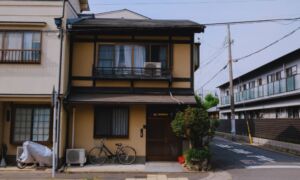
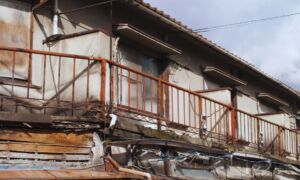
If you’ve been searching for an akiya in Japan, you’ve probably come across English-language websites that bring together vacant houses from across the country. They’re a useful starting point, but they don’t show everything that’s available. Some listings are out of date, while others never appear on these platforms in the first place.
Japan’s property market is fragmented across municipal akiya banks, local real estate agencies and domestic property portals. Each operates differently, and there is no single public database that brings every available property together. Even municipal akiya banks, which are often promoted as a central resource for vacant homes, cover only the properties registered with participating municipalities.
For buyers looking for a property they can realistically purchase to renovate or rent out, this matters, as an attractive listing is only the beginning. You also need to establish whether the property is still available, and whether it can legally be rebuilt or renovated.
Why English-Language Akiya Listings Can Be Misleading
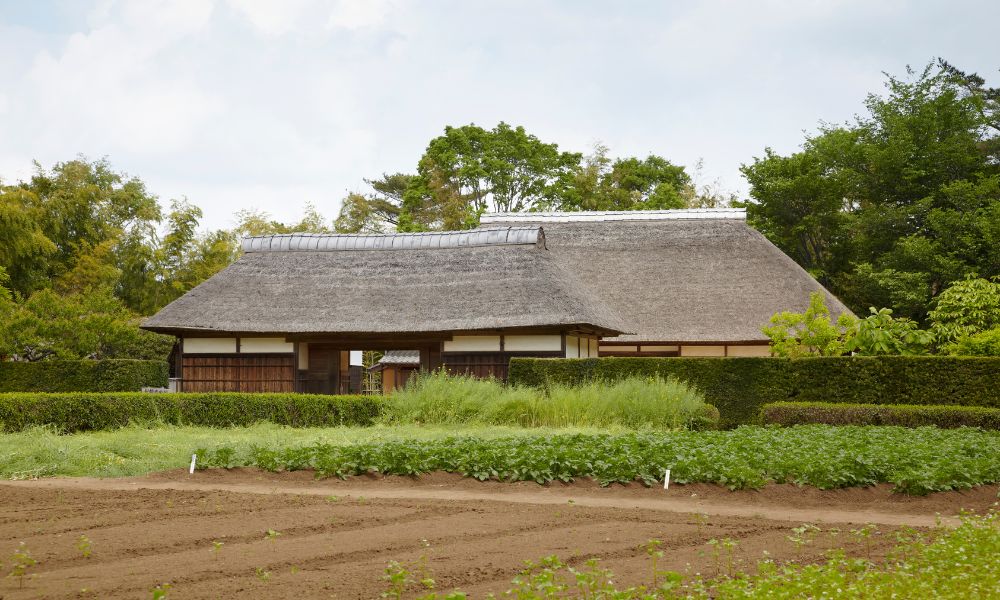
Listings May Be Out of Date
English-language property aggregators often source listings from Japanese agencies, municipal websites and domestic property portals. How frequently those listings are updated varies, and a property may remain advertised after its status has changed.
A buyer might spend days researching a house, comparing renovation costs and investigating the surrounding area, only to discover that the property has already been sold or withdrawn. The opposite can happen, too: a house that might suit their needs never appears on the English-language platforms they use.
Before spending money on travel, surveys or detailed renovation estimates, contact the listing agent or municipality to confirm that the property is still available. Ask for the latest asking price and property information, and establish who is handling the transaction.
For municipal listings, check the original Japanese page as well. Some akiya banks have their own application procedures, eligibility requirements or restrictions on how a property can be used
Translation Doesn't Tell You Whether a Property is Legally Viable
A translated listing can give you a reasonable overview of a house, including its size, layout and asking price. It may not provide enough information to determine whether the property is suitable for your plans.
Road access is one example. Under Article 43 of Japan’s Building Standards Act, a building site generally needs to adjoin a legally recognised road by at least two metres. A lane or track that provides physical access to a house does not necessarily meet this requirement. Certain exceptions may be available, but these depend on the circumstances and the relevant authority’s approval.
This is particularly important if you intend to demolish an old house and build a new one. A property that can still be occupied or renovated may not necessarily be eligible for rebuilding. Check its legal access and rebuilding status with the local building authority before proceeding.
The building’s age also deserves attention. Japan introduced its revised seismic standards on June 1, 1981, establishing the distinction commonly described as kyū-taishin (old seismic standards) and shin-taishin (new seismic standards). The relevant date is generally tied to the building confirmation process, rather than simply the year the house was completed. A newer building is not automatically free from structural problems, either.
Ask what documentation is available, including the building confirmation notice (kenchiku kakunin) and completion inspection certificate, where applicable. Older houses may also require closer inspection for foundation movement, roof leaks, termite damage and alterations made without the necessary approvals.
The Explanation of Important Matters (jūyō jikō setsumeisho) is another key document in a Japanese property transaction. It covers legally required information relevant to the property and transaction, including applicable restrictions and access-related matters. However, it should not be treated as a substitute for a structural inspection or a detailed investigation of rebuilding feasibility.
A judicial scrivener (shihō-shoshi) handles matters such as property registration. Structural assessments and building compliance checks require the appropriate specialists.
Where to Find Akiya in Japan

If English-language websites aren’t giving you enough options, expand your search to Japanese-language sources. Three places are worth exploring.
1. Municipal Akiya Banks
Municipal akiya banks are a useful starting point for buyers interested in rural properties. Local governments maintain these registers to connect owners of vacant homes with prospective buyers or tenants, often as part of wider efforts to attract new residents.
The way they operate varies considerably. Some municipalities provide information about local services, relocation support and the purchase process. Others publish basic property details and leave buyers to contact the relevant agent or owner themselves.
Check each municipality’s eligibility requirements and application procedures before pursuing a property, because some programmes are designed primarily for people planning to move into the area, rather than investors looking to purchase a house for rental income.
2. Japanese Real Estate Portals
Japanese-language property websites cover a much broader range of residential property than specialist English-language akiya sites. They can help you find second-hand houses that aren’t marketed specifically to overseas buyers.
The search terms you use will affect the results:
- Akiya (空き家): Vacant houses.
- Kominka (古民家): Traditional Japanese houses, often older properties.
- Chūko kodate (中古戸建て): Second-hand detached houses.
- Jikka (実家): A family home, often the former family residence. This term can be useful in some contexts but is not a standard property-listing category.
These terms cover different types of property, so don’t limit your search to akiya alone. A house listed as a second-hand detached home may be just as relevant to your plans.
Keep in mind that a broader search also brings up properties that may not be vacant or suitable for renovation.
3. Local Real Estate agents
Smaller real estate agencies can be particularly useful when searching in rural areas. They may handle properties that receive little exposure outside their local market and can help you understand the area’s housing stock, transport links and practical considerations.
A licensed Japanese real estate agent can also access REINS, the professional property information network used by participating real estate agents. Buyers cannot generally search REINS directly, but an agent can look for relevant listings and provide information available through the system.
Of course, working with a local agent doesn’t guarantee a lower price or a better property. You should still compare asking prices, investigate the property’s condition and establish whether it meets your intended use.
Searching in Japanese opens up more possibilities, but it takes time to compare listings and contact different agencies. You may need to work with several sources before you have a clear picture of what’s genuinely available.
Finding and Managing Akiya with Sumica
Finding a property is only one part of buying an akiya in Japan. You also need to understand the costs, check whether your plans are feasible and decide how the property will be managed after purchase.
Sumica helps international investors navigate the Japanese property market, from sourcing potential properties to assessing their suitability for different investment goals. This includes considering factors such as rebuilding restrictions, renovation requirements and potential rental returns.
Support can also continue after the purchase. Sumica can coordinate renovations, arrange tenant placement, manage rent collection and repairs, and oversee ongoing property management. For overseas owners, having these services coordinated locally can make it easier to manage a property without handling every task themselves.
You can also read about Sumica’s Chiba renovation case study to see an example of its work.
If you’re considering an akiya investment, contact Sumica to discuss your budget, preferred locations and plans for the property. This is a useful starting point for identifying suitable opportunities and understanding what each one may require.
Finding Akiya in Japan FAQs
Where can I find akiya in Japan that aren't listed on English websites?
Start with municipal akiya banks, Japanese real estate portals and local property agencies. Searching with Japanese terms such as akiya, kominka and chūko kodate can reveal properties that don’t appear on English-language platforms.
Can foreigners buy akiya in Japan?
Yes. Japan generally allows foreign nationals to purchase property regardless of nationality or residency status. However, owning property does not automatically grant a Japanese residence visa or the right to work in Japan. Buyers should also consider the practical requirements of completing a transaction and managing a property from overseas.
How can I check whether an akiya listing is still available?
This is going to require you to contact the listing agent or municipality and ask them to confirm the property’s current status and asking price.
Can I access REINS as a foreign buyer?
REINS is a professional property information network for licensed real estate agents, not a public property search website.
Can I renovate an akiya that cannot be rebuilt?
Restrictions on rebuilding do not necessarily mean that all renovation is prohibited, but major alterations may raise additional issues.