Welcome to Lesson 05 of the Sumica Investor Library.
Get new educational reports and curated off-market properties delivered to your inbox every week. Join our free investor newsletter below.
When people decide they want to buy property in Japan, many begin searching immediately.
However, buyers who successfully secure good properties usually establish their decision-making criteria before they begin reviewing listings.
Before beginning your property search, you should make five important decisions.
1. Your Total Budget
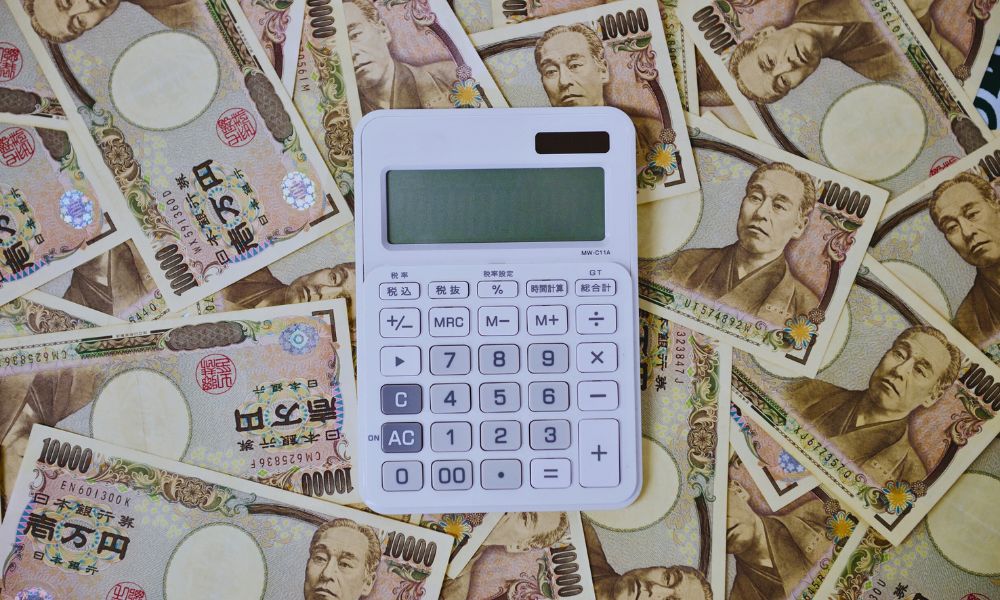
The first thing to decide is not your maximum property price. It is your maximum total investment budget.
Additional costs may include:
Brokerage fees
Registration costs
Judicial scrivener fees
Taxes
Settlement adjustments
Remote purchasing support
Renovation
Furniture and equipment
Rental marketing and management preparation
If your total budget is ¥10 million, you should not search for properties priced at ¥10 million. You must leave room for acquisition costs, repairs, and operating preparation.
The correct question is: “How much can I spend in total, from purchasing the property until it is ready for use or rental operation?”
2. Your Purpose for Buying
Are you buying for long-term rental income, personal use, a holiday home, minpaku, another accommodation business, or renovation and resale?
The right property depends heavily on the purpose:
Long-term rental requires attention to local housing demand, parking, schools, employment, and daily convenience.
Personal use may prioritize location, environment, size, and transport.
Minpaku requires investigation of regulations, zoning, neighborhood conditions, and operations.
3. Your Non-Negotiable Requirements
Identify the conditions that are genuinely essential, such as parking, walking distance to a station, rebuildability, minimum floor area, a specific location, or newer seismic standards.
Do not make every preference non-negotiable. A requirement should be something without which the property cannot fulfill your purpose.
4. The Conditions You Can Compromise On
Affordable real estate almost always involves trade-offs.
You may prefer a station within 15 minutes but accept a car-oriented location with parking.
You may prefer a newer building but accept an older one if renovation costs are clear.
You may prefer rebuildability but consider a non-rebuildable property if the price and long-term income justify it.
5. Your Purchase Decision Criteria
For an investment property, determine in advance:
Maximum total investment
Minimum acceptable rent
Target gross yield after renovation
Vacancy assumptions
Acceptable future repair costs
Desired investment recovery period
Required exit strategies
Without clear criteria, even a suitable property may be rejected because something better might appear later.
The objective is not to find the best property in the world. It is to choose a property that is reasonable for your budget, purpose, and requirements.
When these five points are clear, you can judge whether a property fits without starting from zero each time.