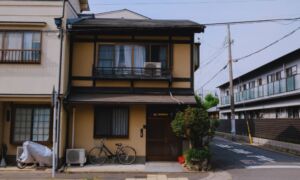
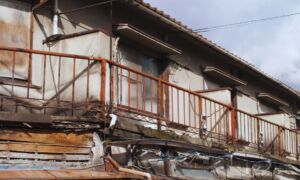
Welcome to Lesson 08 of the Sumica Investor Library.
In Lesson 07, we covered how to weigh the risks and rewards of older, suburban, and non-rebuildable homes. Today, we break down how to assess these opportunities from abroad through structured on-site inspection and legal verification.
Get our weekly educational reports and hand-picked investment opportunities delivered to your inbox.
One of the biggest concerns for overseas buyers is whether they can make a sound purchase decision without seeing the property in person.
Remote viewings and due diligence are therefore essential, but they are not simply about taking photographs and videos. What matters is knowing what to inspect, what can be confirmed, and what requires additional investigation.
1. Overall Building Condition
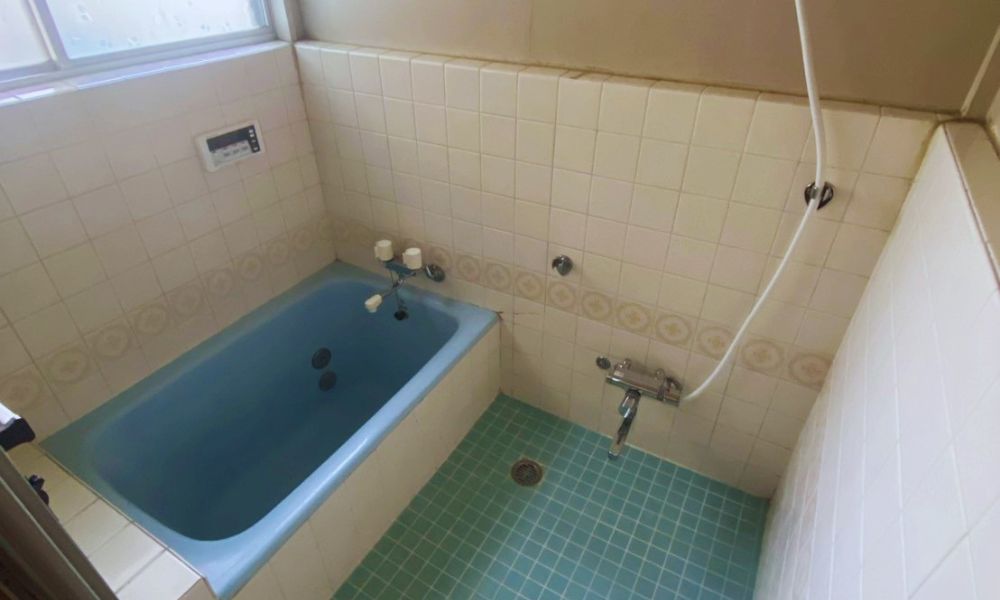
We check exterior cracks, roof damage, gutters, windows and doors, floor slope or soft spots, leak marks, mold, moisture, and damage to fixtures and equipment.
2. Plumbing and Equipment
Where utilities are available, we check water flow, drainage, water-heating equipment, visible leakage, and whether kitchens, bathrooms, and toilets appear usable or require replacement.
3. Signs of Structural or Hidden Problems
A normal viewing cannot replace a professional inspection, but it can identify warning signs such as strong floor slope, abnormal doors, foundation cracks, water stains, decay, and possible termite marks.
We distinguish what can be observed visually from what requires specialist testing.
4. Renovation Requirements
We identify essential and optional renovation work, including wallpaper, flooring, tatami, cleaning, kitchen and bathroom work, water heaters, air conditioning, exterior repairs, vegetation, abandoned belongings, and safety improvements.
The goal is not unnecessary luxury. It is a safe and competitive rental at a realistic local rent.
5. Surrounding Environment
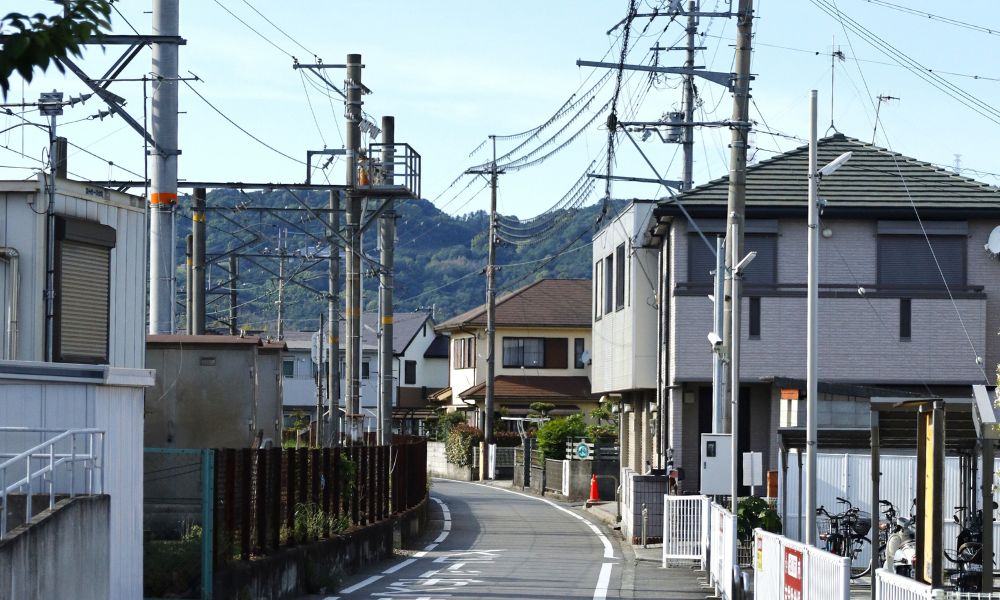
We review road width, vehicle access, practical parking, neighboring buildings, noise, slopes, nearby property condition, and access to stations, buses, schools, hospitals, and shops.
6. Roads, Access, and Visible Boundaries
We review public or private roads, access routes, road connection, access strips, boundary markers, and apparent neighboring boundaries, comparing physical conditions with maps and documents.
A remote viewing cannot replace a legally confirmed survey.
7. Legal and Contractual Conditions
We review registry details, ownership, areas, construction date, zoning, road access, rebuildability, private-road obligations, registered rights, equipment, disclaimers, and disclosed issues.
Minpaku, extensions, and rebuildability may require authority or specialist confirmation.
8. Expected Rent and Rental Demand

We review comparable listings, actual local rents, parking and station-distance differences, and demand from families, single tenants, foreign residents, and pet owners. The objective is a realistic rent that can attract a tenant within a reasonable period.
9. Investment Simulation
We calculate purchase price, acquisition costs, renovation, tenant acquisition, setup, furniture, management, taxes, insurance, vacancy, future repairs, and overseas tax or transfer costs.
We evaluate return on total investment, cash flow, and recovery period — not only advertised gross yield.
10. Exit Strategy
We consider sale as a residence, sale as a rented investment, land value, rebuildability, long-term rent recovery, cash-buyer resale, and possible personal use.
What a Remote Viewing Cannot Confirm
Hidden wall and floor conditions, underground pipes, invisible structural components, future repairs, exact legal boundaries, and professional seismic performance may require building inspection, surveying, seismic assessment, or equipment testing.
A responsible report clearly explains what was checked, what was not, whether more investigation is advisable, and how uncertainty should be reflected in the budget.
The key question is not merely whether you can visit. It is who will inspect on your behalf and what standards they will use/