This quick insight was originally published in our Sumica Weekly newsletter.
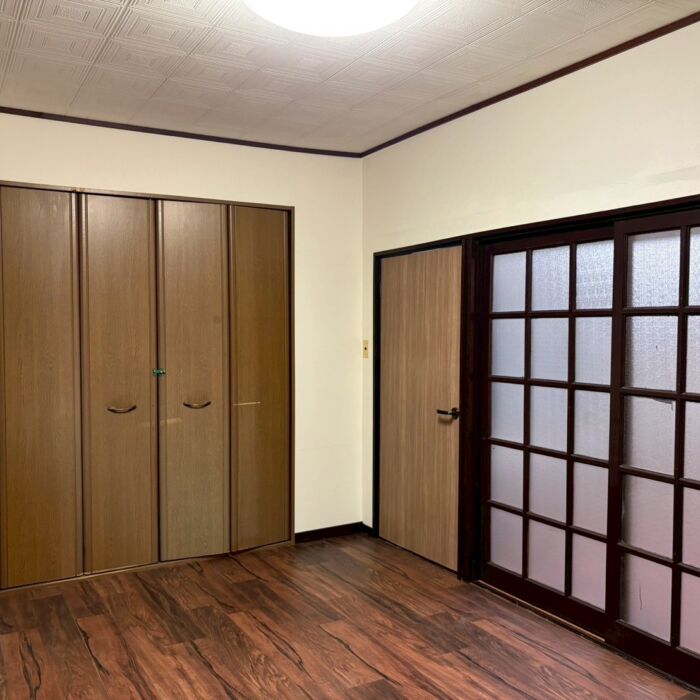
Stop judging Japanese real estate by the price tag. In popular beach towns like Chigasaki or Kamakura, a million-dollar listing often looks underwhelming. You expect luxury, but you find a stained concrete box or an overgrown garden.
This is the reality of the location premium. In these zones, ninety percent of your money is paying for the land, not the structure. The house itself is often a depreciating liability.
If you are buying in a high-value coastal area, you must check three critical factors that matter more than the floor plan.
First, check the road width. If the street in front of the house is not at least four meters wide, you may be legally banned from ever rebuilding that house. You would be buying a terminal asset.
Second, beware of invisible rust. Coastal salt destroys everything. Reinforced concrete looks strong, but if it has not been properly sealed, the internal steel may be rotting.
Finally, analyze the land value ratio. Ensure you are paying for the asset value of the dirt, not a view attached to a building that will only lose value over time.
Don’t buy the dream until you have audited the dirt. Sumica Inc. acts as your local partner to verify zoning, road access, and asset value before you sign.
Want more market insights like this? We send exclusive off-market property highlights, investment strategies, and local data to our subscribers every week. Join the Sumica Weekly mailing list here so you never miss an update.