Welcome to Lesson 03 of the Sumica Investor Library.
One of the first things we ask overseas buyers looking for affordable property in Japan is what they are looking for.
The answers are often very similar. They want a property that is:
Affordable
Close to a train station
In excellent condition
Easy to rent
Capable of generating strong rental income
Rebuildable
Large enough for families
Equipped with parking
Easy to resell in the future
Ideally suitable for short-term rentals such as Airbnb
Every one of these requirements is perfectly reasonable. The problem is expecting all of them to exist in the same low-priced property.
In reality, properties like this are extremely rare.
Property Prices Reflect Their Strengths

Property prices already reflect many important factors, including location, building condition, accessibility, rental demand, future resale potential, and development possibilities.
If a property is close to a station, in good condition, easy to rent, and fully rebuildable, it will usually command a higher price.
Likewise, when a property is significantly cheaper than similar properties, there is almost always a reason.
For example:
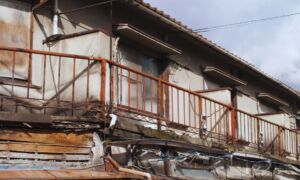
The building may be older
The property may be farther from public transportation
Renovation work may be required
The land may not be rebuildable
Road access may be limited
Local population may be declining
The building may be relatively small
There may be no parking available
These characteristics are often reflected in the purchase price.
A Weakness Does Not Automatically Make a Property Bad
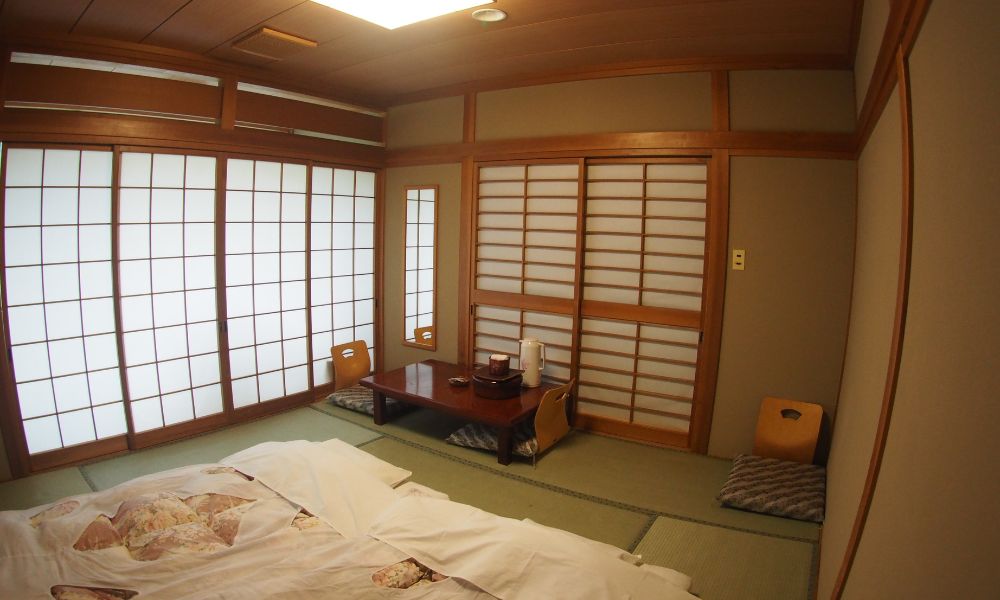
Many first-time investors immediately reject any property that has an obvious weakness.
Experienced investors think differently. Instead of asking, “Does this property have any problems?” they ask, “Is the purchase price fair considering those problems?”
A property located farther from the nearest station may still perform very well if it is in an area where residents primarily rely on cars and family homes remain in strong demand.
An older building may still represent an excellent investment if the purchase price and renovation costs together leave enough room for attractive rental returns.
Even a non-rebuildable property can make financial sense if the purchase price is low enough and long-term rental income is expected to recover the investment.
Evaluate the Entire Investment — Not Individual Features

Successful investors rarely judge a property based on a single characteristic. They ask:
How much will this weakness actually affect the property’s performance?
Can it be managed through renovation or proper maintenance?
Has the market already discounted this weakness in the purchase price?
Does the expected rental income justify the total investment?
What are the realistic exit strategies in the future?
Cheap Properties Require Balanced Thinking
The biggest danger in affordable real estate is not buying a property that has weaknesses. The biggest danger is buying one simply because it is cheap without understanding why.
Likewise, automatically rejecting every property that has even one disadvantage can also be a costly mistake.
Real estate investing is rarely about finding properties with zero risk. It is about finding investments where the price fairly compensates for the risk.
Different Price Levels Require Different Expectations
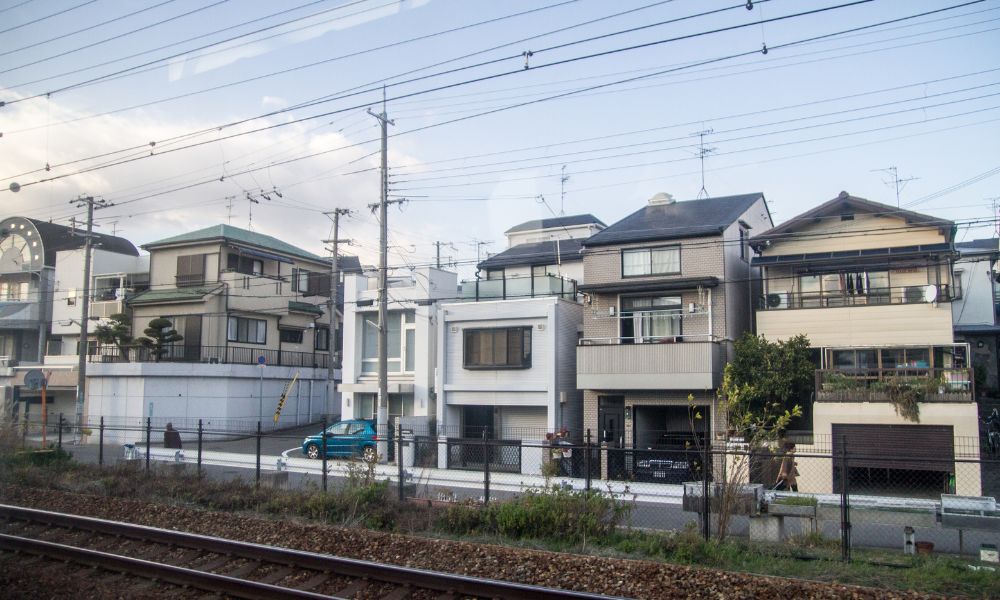
Consider two properties: one costs ¥5 million, and the other costs ¥15 million.
If you expect a ¥5 million property to provide the same location, condition, rental demand, and future resale potential as a ¥15 million property, you will probably never buy anything.
Affordable properties require realistic expectations. That does not mean accepting serious structural defects or ignoring obvious problems.
Major issues such as severe structural damage, significant legal complications, or extremely weak rental demand should never be overlooked simply because the price appears attractive.
The key is understanding what level of compromise is reasonable for the price you are paying.
How We Evaluate Properties at Sumica
At Sumica, we consider the complete investment picture, including:
Purchase price
Estimated renovation costs
Expected rental income
Vacancy risk
Ease of property management
Local rental demand
Rebuildability
Future resale potential
Only after reviewing all of these factors together do we determine whether a property represents a sound investment.
Successful Investors Buy Value — Not Perfection
The investors who consistently succeed in Japan’s affordable property market are not searching for flawless properties.
They are searching for opportunities where the advantages outweigh the disadvantages. They understand the property’s weaknesses, calculate the costs, and evaluate the risks. Then they decide whether the overall investment still makes financial sense.
Waiting for the Perfect Property Usually Ends in Disappointment
If a property truly offers low price, excellent location, strong rental demand, minimal renovation, high yield, easy resale, and long-term appreciation, everyone recognizes its value.
As a result, it usually sells very quickly—or attracts multiple competing buyers.
The Best Investment Is Not the One With No Weaknesses
Successful real estate investing is about understanding disadvantages and deciding whether they are already reflected in the price.
Every investment involves trade-offs. The goal is not to eliminate every risk; the goal is to identify opportunities where the potential rewards justify the risks you are taking.