Welcome to Lesson 02 of the Sumica Investor Library.
If you find this helpful and informative, get new educational reports and curated off-market properties delivered to your inbox every week. Join our free investor newsletter below.
Once you begin looking at listings to successfully buy property in Japan, the biggest trap isn’t the market. It is letting your requirements shift as you go. While prepared buyers evaluate listings against the criteria they set, as we discussed in Lesson 01, buyers who get stuck build an ever-growing checklist of demands.
Buyers Who Never Purchase Keep Changing Their Requirements
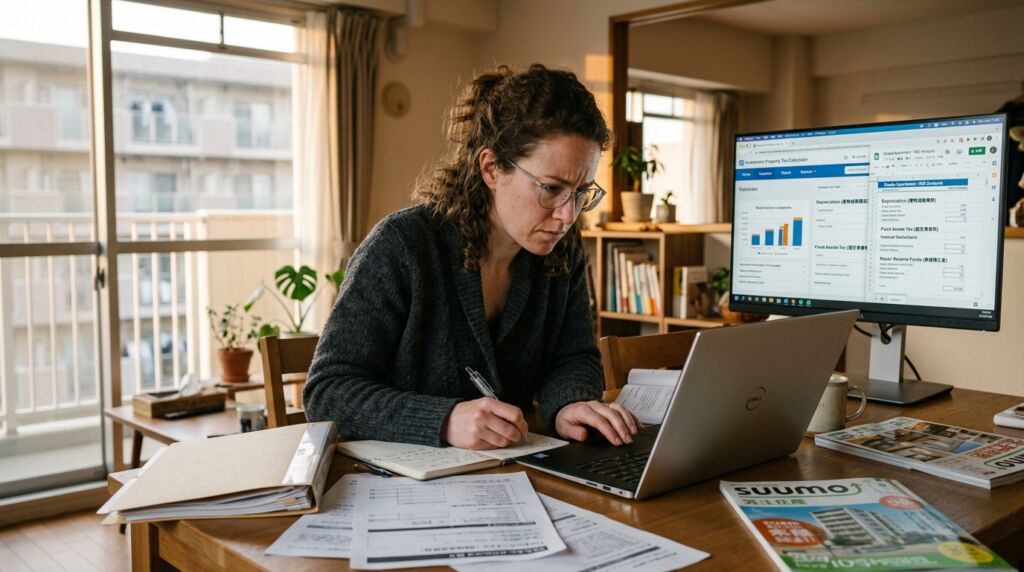
Investors who struggle to buy often do the opposite.
Rather than defining their investment criteria first, they develop their requirements while looking at properties.
At first, price is the most important factor. Then they begin worrying about the distance to the nearest station. Next, the age of the building becomes a concern. After that, they start focusing on rebuildability, future appreciation, resale value, and countless other factors.
Every new property introduces another requirement.
Eventually, they begin searching for a property that is:
Affordable
Close to a station
In excellent condition
High yielding
Rebuildable
Easy to rent
Easy to resell
Located in an attractive area
The problem is that properties meeting all of these conditions rarely exist—especially in Japan’s affordable property market.
And if they do, they attract many competing buyers.
Successful Investors Do Not Look for Perfect Properties
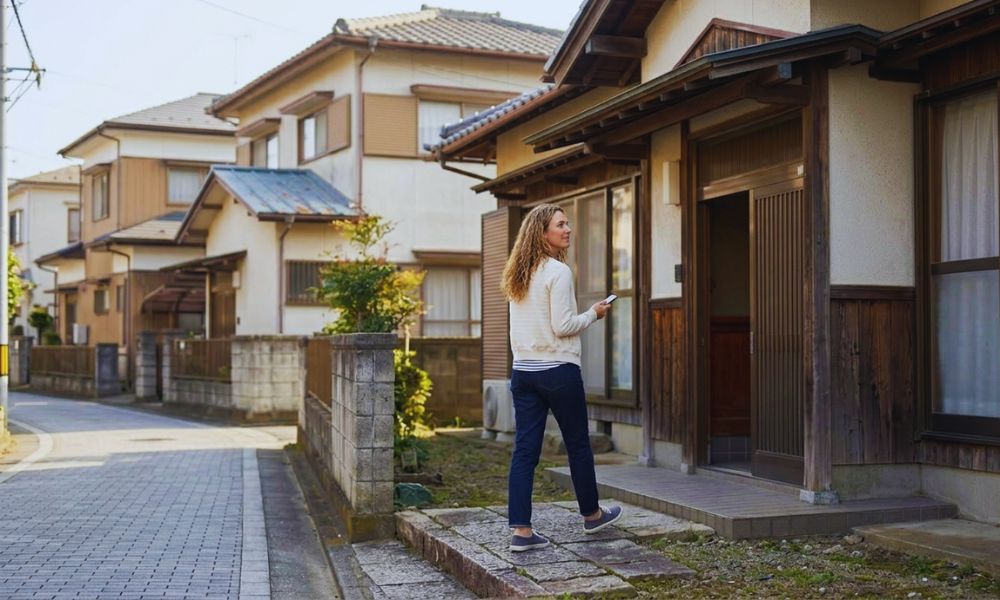
One of the biggest differences between successful and unsuccessful investors is their expectation of what a good property actually is.
Successful investors are not searching for perfection. They are searching for value.
A property may be slightly farther from the station but offer parking and strong rental demand.
A building may be older, but after including renovation costs, the investment still generates attractive cash flow.
A property may not be rebuildable, yet the purchase price is low enough that long-term rental income can recover the investment within a reasonable period.
Rather than judging individual weaknesses in isolation, experienced investors evaluate the entire investment.
They ask:
Does the price reflect the property’s weaknesses?
Is the rental income sufficient?
Can the risks be managed?
Does the overall investment make financial sense?
Unsuccessful Investors Keep Waiting for Something Better
Investors who never purchase often react differently.
Every time they discover a weakness in a property, they assume there must be a better one waiting.
So they decide to wait.
Eventually another property appears. But that property has a different weakness. Then they wait again.
After reviewing dozens of properties, they still have not bought anything.
The reality is simple: there will always be another property. There will also always be another reason to delay.
Successful Investors Understand the Difference Between Risk and Uncertainty
No real estate investment is completely risk-free.
No one can accurately predict future repair costs, rental price changes, tenant behavior, local market conditions, or economic changes over the next ten or twenty years.
Trying to eliminate every possible risk is impossible.
Instead, experienced investors ask different questions:
How significant is this risk?
Can I manage it if it happens?
Is the purchase price already reflecting this risk?
Would this issue seriously affect the overall investment?
Successful investors do not reject a property simply because risk exists. They evaluate whether the risk is acceptable.
Unsuccessful investors often treat every uncertainty as a reason not to buy.
At Some Point, Every Investor Must Make a Decision

This does not mean you should buy every property you are shown.
If the investment does not fit your budget or the risks are clearly unacceptable, walking away is absolutely the right decision.
However, every successful purchase eventually reaches the same conclusion:
“Based on the information available today, this investment is reasonable.”
Waiting for complete certainty usually means waiting forever.
What Successful Overseas Buyers Have in Common
Successful buyers:
Have a clearly defined budget
Know their priorities
Do not expect perfection
Ask professionals when they need expert advice
Avoid unnecessary delays once their questions have been answered
Prepare themselves before the right property appears—not after
Preparation Matters More Than the Number of Properties You Review
You can review fifty properties and still be unable to buy if you have not established your investment criteria.
On the other hand, if your criteria are clear, you may confidently choose from just a handful of suitable opportunities.
Success in Japanese real estate investing is not about moving quickly for the sake of speed.
It is about preparing thoroughly, maintaining realistic expectations, and having the confidence to make a decision once the necessary information has been confirmed.