The cheapest places to buy a house in Japan are rural Tohoku, Shikoku, and Southern Kyushu, where prices fall to ¥2 million to ¥8 million (roughly $12,800 to $51,300). Low price alone doesn’t guarantee a return, though. Real yield depends on local tenant demand, and Tokyo-area commuter towns in Kanagawa, Chiba, and Saitama often out-earn cheaper rural akiya on net income.
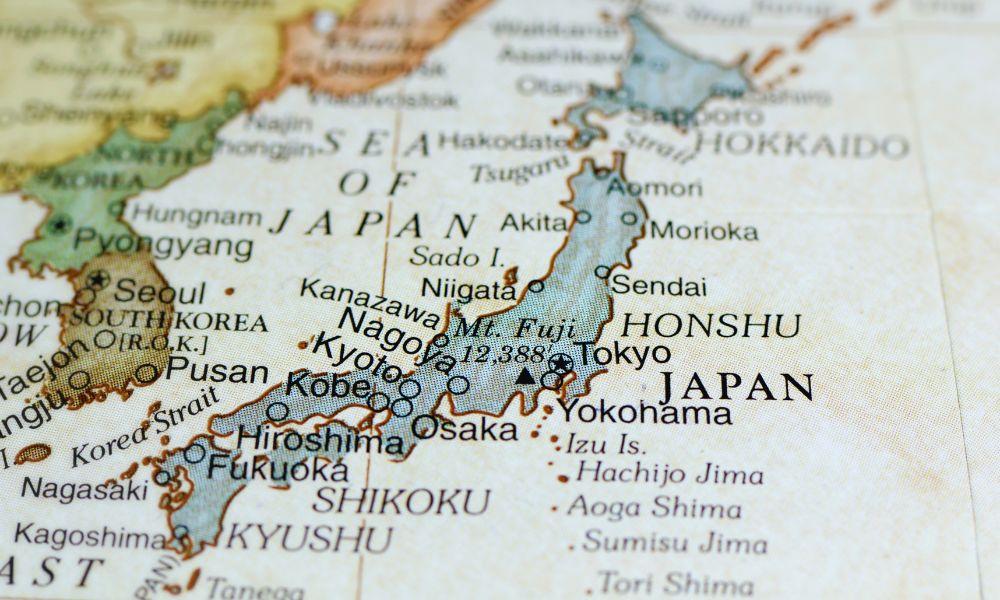
The Geographic Map of Japan's Cheapest Housing
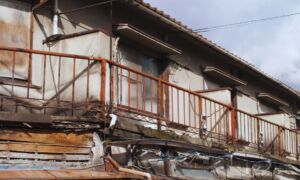
Japan has about nine million empty homes sitting around right now, close to fourteen percent of all the housing in the country, which is part of why prices in some prefectures look made up if you’re coming from a market like the US or the UK.
In parts of Akita, Yamagata, and Iwate, houses start under ¥500,000 (about $3,200). Head into Shikoku, in Tokushima, Kagawa, Ehime, and Kochi, and a house with land regularly goes for ¥500,000 to ¥4 million (roughly $3,200 to $25,600). Southern Kyushu runs about the same, and the milder winters down in Kagoshima and Miyazaki keep upkeep cheaper even at similar purchase prices.
But a cheap house for a getaway and a cheap house as an investment can have the exact same price tag and nothing else in common. A mountain akiya you’re buying for yourself just needs to make you happy on the weekends. A house you’re buying to rent out needs an actual renter in that actual town, someone with a job nearby and a reason to live there year-round.
Regional Price Realities vs. Ongoing Running Costs
Tohoku and Niigata have the lowest prices in the country for a simple reason: the winters are brutal. Interior parts of Akita and Yamagata get over two meters of snow most years, and that means insulation work, snow-rated roofing, and paying someone to do josetsu, the actual shoveling and clearing, all winter long. Budget ¥500,000 to ¥1,500,000 (about $3,200 to $9,600) for that.
Local governments know the climate scares people off, so a lot of them throw subsidies at renovation, sometimes covering up to seventy-five percent of the cost. But you should know that getting that subsidy approved can take months, the forms are in Japanese, and the municipal office handling it is not going to rush for you. A cheap house in Tohoku turns out cheap. It just doesn’t turn out cheap fast.
Kyushu and Shikoku skip most of that headache. Winters are mild, land is cheap, and day-to-day living costs stay relatively low. The problem in this area is securing renters. A house an hour from any job rents to nobody. Check who’s employed nearby before you check the listing price.
Nominal Cheap vs. Real Yield: Why Price Alone Misleads

Say you buy a house for ¥1.5 million (about $9,600) in a town that’s losing jobs, then sink ¥5 million (about $32,000) into fixing it up. That’s ¥6.5 million total, roughly $41,700. If nobody rents it because there’s no work in town, your yield for that year is zero. Flat zero.
Now let’s compare that hypothetical against a real successful project that Sumica did. A 1964 house in Matsudo, Chiba was bought for ¥5.1 million (about $32,700) and came to ¥7.8 million (about $50,000) total after the renovation. It’s pulling in ¥85,000 a month right now, roughly $545, a thirteen percent gross yield.
The Satellite City Advantage: Where Yield and Affordability Meet
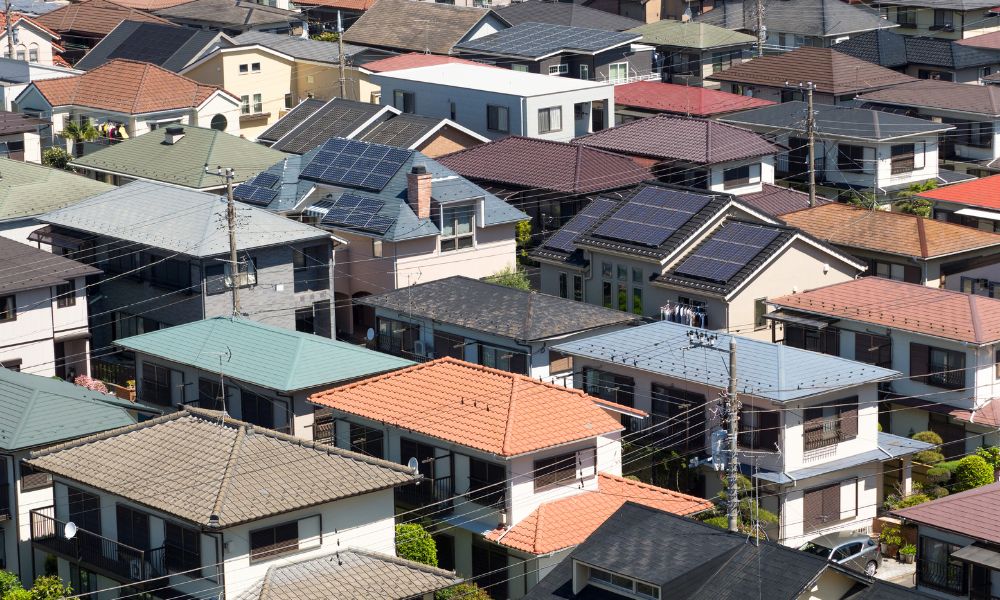
Places along the train lines through Kanagawa, Chiba, Saitama, and North Kanto may not be priced as low as the ones you would find in the remote areas of Tohoku or Kyushu, but they cost a lot less than central Tokyo, and the job market underneath them doesn’t dry up the way a rural town’s can.
In fact, families who work in Tokyo and can’t afford to live there fill these towns up every year. Kanagawa and Chiba even have warehouse and logistics jobs scattered through, giving you an additional tenant base. Kanagawa also has a lot of rebuildable lots, which most rural akiya markets don’t offer at all. You can hold it and rent, or knock it down and start over, depending on where the numbers land.
Buyers should also understand that as long it has a direct train line to Tokyo, how far the house is from the station matters a lot less than people assume. For many families, the fact that it has a good layout for the household and a spot to park a car is more important. Families renting outside central Tokyo drive everywhere. A short walk to the platform is nice, but a driveway and three bedrooms rents the place faster.
What This Means for Overseas Buyers

Before the price tag gets to talk you into anything, run the listing through a few questions first.
Is there an actual employer base nearby, within a commute someone would actually do? No jobs nearby means no renters. What does the climate in that specific prefecture actually cost you every year, because a Tohoku winter budget and a Kyushu maintenance budget aren’t the same number at all. And once you’ve got renovation and holding costs added up, does the net yield actually justify what you put in? A twelve percent yield on a ¥5 million ($32,000) house you actually checked out beats a theoretical bargain sitting empty.
And that’s before you even get into the seller’s side of things. A good number of these cheap listings are abandoned Japan houses nobody’s touched in years because the previous owner passed away and left the place to three or four relatives who live in different cities and haven’t agreed on anything. Getting a clean sale sometimes means waiting on people who aren’t in a hurry to sign paperwork for a house they’ve never seen.
Cheapest Places to Buy a House in Japan FAQs
What is the cheapest region to buy a house in Japan?
Interior Tohoku, meaning Akita, Yamagata, and Iwate, has the lowest prices in the country. Shikoku and Southern Kyushu come in right behind, and the milder weather keeps your long-term costs lower than what you’d pay in Tohoku.
Can foreigners buy akiya or other property in Japan?
Yes. There’s no residency or citizenship requirement to own property in Japan, and you don’t need to live there to buy. Read this to get an idea of what it’s like to buy a house in Japan as a foreigner with the help of Sumica.
Do cheap houses in Japan actually generate rental income?
Some do, plenty just sit empty. A house in a town with real jobs and real housing demand can hit a strong net yield even if you paid almost nothing for it.
Are Tokyo commuter towns a better investment than deep rural Japan?
For most people buying purely for income, yes. Towns in Kanagawa, Chiba, and Saitama cost more upfront than the cheapest rural akiya, but the job market and rental demand underneath them isn’t riding on one factory or one tourist season. Rural houses can still beat them, but only when you’ve actually confirmed a real reason people will pay to live or stay there, like tourism or a real employer, before you buy.
Turning a Low Price Into a Working Investment
Finding a cheap listing takes ten minutes for anyone who knows how to use an akiya bank. Finding one that actually rents and pays you back takes local knowledge most listing sites don’t have.
That’s the part Sumica handles. Every property that reaches a client has already been screened for budget, yield, and rebuildability, the same checks this whole article just walked through, done before you ever see the listing instead of after you’ve already bought it. Want exclusive off-market and high-yield listings in your inbox every week? Subscribe to our newsletter.
The renovation team works off fixed-price packages and sends photo and video updates as the work happens. Once the place is rented, the property management side takes over tenant sourcing, rent collection, and maintenance, with reports sent to you online every month.
If you’re planning to buy more than one property down the road, the same team can even handle the Airbnb versus long-term rental decision, resale timing, and setting up the company structure for tax purposes.
Over 1,100 projects done across 39 prefectures, bilingual support the whole way through. Contact Sumica now.