Welcome to Lesson 06 of the Sumica Investor Library.
Get new educational reports and curated off-market properties delivered to your inbox every week. Join our free investor newsletter below.
When searching for investment properties in Japan, one number appears almost everywhere: gross yield.
12%. 15%. 20%.
The higher the percentage, the more attractive the investment may appear. However, choosing a property simply because it advertises a high gross yield can be a costly mistake.
What Is Gross Yield?

Gross yield is usually calculated by dividing annual expected rental income by the purchase price.
If a property costs ¥5,000,000 and rents for ¥70,000 per month, annual rent is ¥840,000 and gross yield is 16.8%.
But this calculation excludes many costs.
Gross Yield Ignores Important Costs
Additional costs may include:
Brokerage fees
Registration and judicial scrivener fees
Taxes and adjustments
Renovation and equipment replacement
Tenant acquisition costs
Management fees
Fixed asset tax
Insurance
Vacancy
Future maintenance
Overseas tax and transfer costs
If the total investment becomes ¥7,500,000, the same ¥840,000 annual rent represents only 11.2% before ongoing costs.
The purchase price is not your investment. Your investment is the total amount required to purchase, renovate, and operate the property.
Is the Expected Rent Realistic?

Advertised rent is not always achievable.
Investors should evaluate comparable local rentals, building age, floor area, condition, parking, station distance, leasing conditions, and local demand.
If a plan assumes ¥80,000 per month but the market supports only ¥60,000, the investment changes significantly.
Vacancy Is Part of Real Estate Investing
Gross yield assumes full occupancy. Real life includes tenant turnover, cleaning, repairs, and marketing periods.
During vacancy, rent stops while tax, insurance, and management expenses continue.
High Yield Often Exists for a Reason

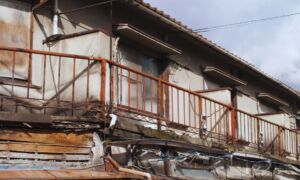
A high yield may reflect poor building condition, major repairs, non-rebuildability, weak access, weak rental demand, legal complications, or limited resale potential.
High yield is not automatically bad. Investors must understand why it is high.
How We Evaluate Investment Properties
At Sumica, we calculate total investment, realistic rent, management costs, taxes, insurance, vacancy, leasing expenses, and future maintenance.
We then evaluate annual cash flow, investment recovery, rental demand, resale options, and ability to absorb unexpected repairs.
Cash Flow Matters More Than Gross Yield
A 20% gross-yield property with long vacancies and major repairs may perform worse than a 12% property with stable demand and manageable maintenance.
The best investment is not the one with the highest advertised yield. It is the one that produces reliable long-term income after all costs and risks are considered.