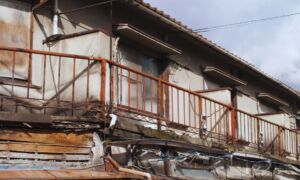
Foreigners can buy machiya for sale in Kyoto with no residency requirement. The hard part is local. The Building Standards Act can stop you from rebuilding the house. Kyoto’s machiya ordinance and short-term rental rules then shape what you can change and who can stay in it.
We get it. Once you see those TikToks of foreigners living and renovating some dreamy akiya that looks like it came straight out of a period anime, you’re hooked. Most foreign buyers find a machiya for sale first and read the rules later. By then they have already pictured the lattice windows and the garden out back.
But buying is the easy part. Japan lets foreigners own property, and non-residents can buy without a visa. The headaches start after closing. Kyoto sets its own rules on what you can change and what you can rebuild. It also decides who can rent the place out to travelers.
Good machiya are disappearing. One investor source counts about 34,000 in 2024, down from more than 47,000 about fifteen years earlier. That figure comes from an investor, not the city, so treat it as a rough guide. It also raises a fair question: what counts as a machiya to begin with?
What Counts as a Machiya in Kyoto
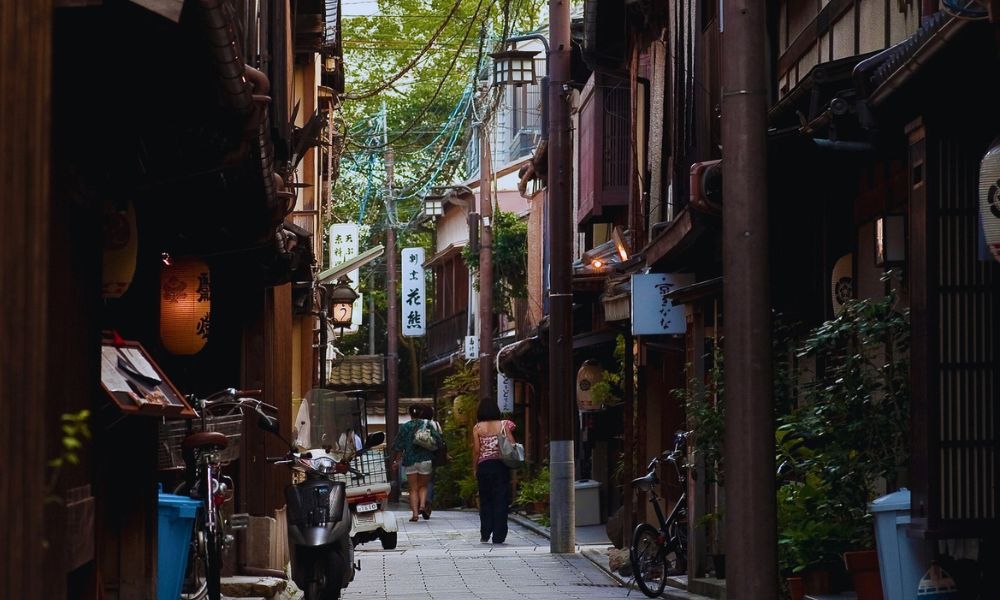
Kyoto City passed the Kyoto City Machiya Preservation and Inheritance Promotion Plan, commonly known as its machiya ordinance in November 2017. It defines a Kyo-machiya as a wooden building built before 1950, with a traditional structure and a design that grew out of city life. The city explains all this in detail on Kyoto City’s machiya website.
The Building Standards Act took effect in 1950 and ended traditional construction, so no new machiya can join the pool. A building also needs at least one typical feature, such as the tori-niwa, an earthen corridor from the front door to the back garden, or the hibukuro, an open atrium above the kitchen.
Anyone can put “machiya” in a listing title, but only a true Kyo-machiya can qualify for designation, subsidies, and building-law exemptions. So, a buyer’s first priority must be to check the construction date against the fixed asset valuation records, and to confirm whether the city has designated the building. The ordinance also asks real estate companies to give owners, buyers, and tenants advice on preservation.
The Building Standards Act and Why Many Machiya Cannot Simply Be Rebuilt
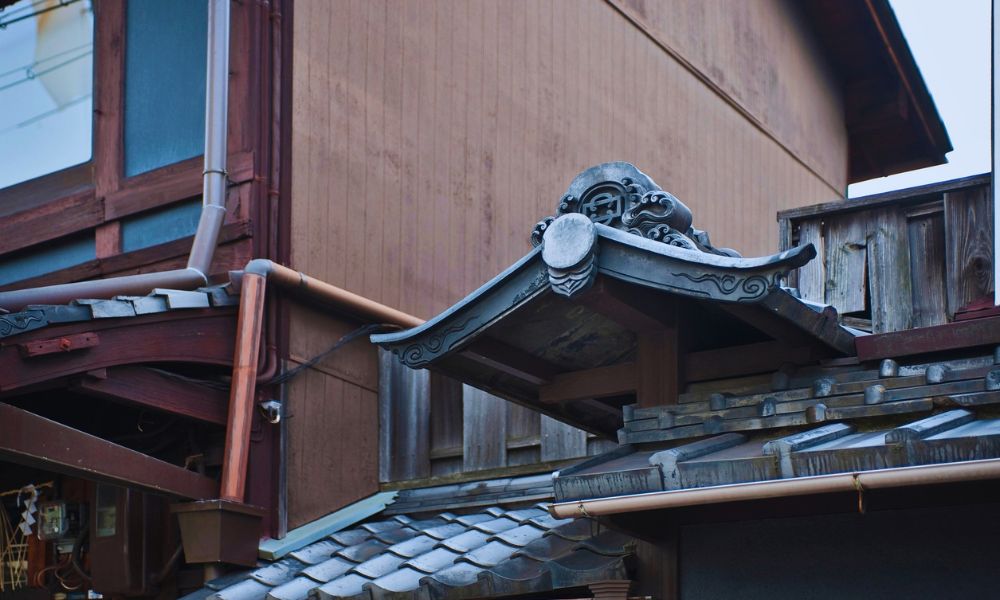
Many machiya sit on old, narrow lots. The Building Standards Act sets road-access rules for new buildings, and some of those lots struggle to meet them.
For example, Article 43 of the act says a building site must touch a legally recognized road along at least 2 meters of its edge, and that road generally has to be at least 4 meters wide.
A machiya that has stood for 120 years may be sitting on an alley only 1.8 meters wide or narrower. Others reach the street only through a neighbor’s driveway. A road can also be wide enough and still fail, because the city never designated it as a road under the Act. On paper, that lot touches nothing.
Many narrow lanes also fall under Article 42(2). They still count as roads, but when you rebuild, you pull your boundary back to 2 meters from the road’s center line. On a 3-meter lane, that costs you 0.5 meter of depth along the whole frontage. On a lot 6 meters wide, you hand over 3 square meters of land, and the coverage and floor-area ratios get calculated on the smaller lot. On a tight machiya plot, that strip can decide whether a new house fits.
A lot that fails outright is a different story. You can still live in the house, rent it, repair it, and renovate it as long as the work does not count as new construction.
You cannot demolish and rebuild, and you cannot add an extension that needs a building permit. The price drops to reflect that, sometimes to a third of a comparable rebuildable lot, and lenders mostly refuse mortgages on these properties. Some lots can be fixed by buying or leasing a strip of frontage from the neighbor. You may also apply for permission under Article 43(2), but that obviously will be a long and complicated process as you would need sign-off from the building authority and the building review board, and the ward office will set the pace.
What this all means is that the old structure is the primary asset, and that before you make an offer, you should know the property’s road type and measured frontage.
Kyoto adds its own layer for heritage houses. The 2017 ordinance lets the city designate Kyo-machiya, either one building at a time or as part of a designated area. When an owner of a designated house plans an extension or a change of use, the city can exempt certain Building Standards Act provisions, so the house keeps its traditional design. However, it would be best to seek legal assistance to understand what this really means for a property you are interested in purchasing. For one, the city describes the exemption as covering extensions and changes of use, but it does not mention road access, so you can’t assume that the exemption rescues a lot that cannot be rebuilt.
Designation also brings a duty. In designated areas, owners must apply to the city at least one year before demolishing a Kyo-machiya. To find out if a building is covered, contact the city with the building’s documents before you sign anything. Applying for an exemption also means a city review, which usually runs longer than you would expect.
Sumica screens every property for rebuildability. If the lot’s legal status makes the old structure impossible to replace, we tell clients as soon as we share the listing with them. Subscribe to our newsletter for weekly off-market, high-yield akiya listings.
Landscape, Fire, and Seismic Checks Before You Renovate a Machiya for Sale
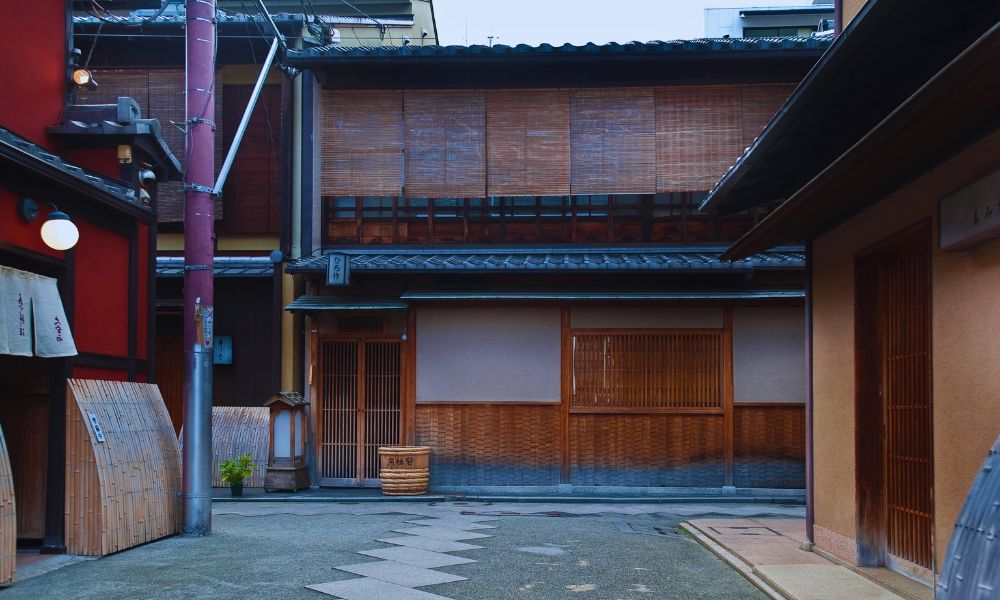
Kyoto keeps close control over how its streets look. Landscape rules, fire zones, and historic districts can limit exterior changes and the materials you can use.
This is especially true following a 2025 legal update, which requires an official building permit (known as a building confirmation) for any major renovation on a two-story wooden building. The law defines a renovation as “major” if it modifies more than half of the core structure, such as the walls, columns, beams, or roof. Since restoring a machiya almost always hits this threshold, working without a permit is a serious legal violation.
You also need to watch out for fire prevention and quasi-fire prevention districts. In these zones, the law strictly limits the materials you can use for exterior walls, roofs, and windows if they sit within three meters of a property line on the ground floor, or five meters on the upper floors. Because machiya are packed wall-to-wall on narrow city lots, your entire facade usually falls into this restricted space.
Beyond fire safety, Kyoto’s landscape ordinances place hard caps on building heights, exterior design, and outdoor advertising. Securing permission to add an extra floor is exceptionally rare. If you are planning to run a commercial property like a guesthouse or cafe, these rules will also tightly restrict the size and style of your signage.
When it comes to the foundation, modern seismic standards often collide with traditional building methods. Many original machiya were built by resting wooden columns freely on stone bases, but modern building codes do not allow this technique for new structural work. You must complete a structural seismic inspection before drawing up designs, as those results will tell your architect exactly how much modern retrofitting the city will demand.
Machiya for Short-Term Rentals
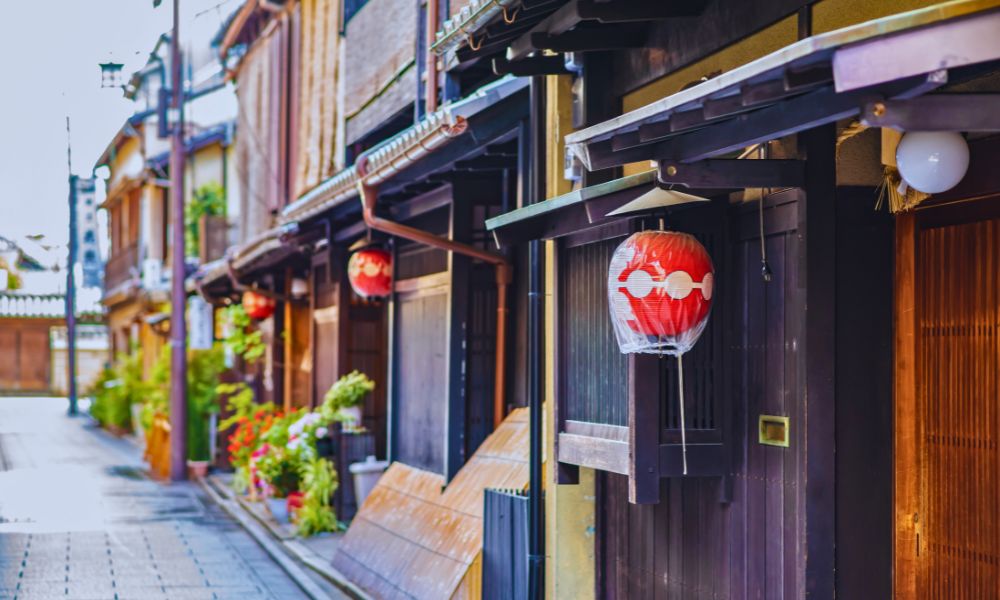
If your goal is to buy a machiya and immediately list it on Airbnb, you must navigate Kyoto’s strict lodging laws. While Japan’s national minpaku law allows short-term rentals for up to 180 days a year, Kyoto applies severe local restrictions. According to the official Kyoto City Private Lodging Guidelines (Japanese only), operations in exclusive residential zones are restricted to a 60-day window (typically mid-January to mid-March, entirely avoiding peak tourist seasons).
To operate a short-term rental year-round, your machiya generally needs to sit in a commercial or unrestricted zone and be fully licensed under the stricter Hotel and Inn Business Act (Ryokan-gyo). Getting a 120-year-old wooden house to pass modern hotel fire, ventilation, and safety codes is a massive, expensive undertaking, and Kyoto requires you to have a manager stationed within a 10-minute radius of the property.
Machiya For Sale in Kyoto FAQs
Can foreigners buy a machiya for sale in Kyoto without living in Japan?
Yes. Japan sets no nationality or residency rule for buyers. Sumica can even help you secure a property without stepping foot in the country.
Does the Kyoto machiya ordinance stop me from renovating or demolishing my machiya?
It does not ban changes outright, but it asks agents to tell buyers about preservation, and it gives owners subsidies and building-law exemptions.
Can I legally run a Kyoto machiya as a guesthouse or on Airbnb?
Yes, if you follow one of the three legal routes: minpaku, a hotel or inn license, or a special zone permit.
Can I get a mortgage to buy a machiya in Kyoto?
Overseas buyers generally cannot. Residents have more options, and local banks offer machiya purchase and renovation loans. Approval depends heavily on visa status and job history, and permanent residents face the fewest barriers. Read our guide to mortgages in Japan for foreigners for details.
Secure Your Dream Machiya for Sale
Navigating Kyoto’s real estate laws should not be your second job. Sumica handles the entire lifecycle of your investment from anywhere in the world. We source off-market properties that actually pass local rebuildability checks, manage fixed-price renovations with vetted craftspeople, and secure reliable tenants once the work is done.
Ready to own your dream machiya? Contact Sumica now.